In the demanding environment of a modern concrete batching plant, reliability and precision are non-negotiable. Among the myriad of components ensuring seamless operation, proximity sensors stand as silent, yet critical, sentinels. These non-contact detection devices are fundamental to automating material handling, monitoring equipment position, and safeguarding personnel and machinery. For electrical engineers designing, maintaining, or troubleshooting these systems, a deep understanding of their application is paramount.
Proximity sensors function by emitting an electromagnetic field or a beam of electromagnetic radiation and detecting changes in the field or return signal. The primary types deployed in batching plants are inductive and capacitive sensors. Inductive proximity sensors are the workhorses for detecting metallic objects. They are ubiquitously used for tasks such as confirming the position of aggregate bin gates, detecting the presence of a mixer drum at the discharge point, or verifying the passage of a metal chute or conveyor component. Their robust construction, typically in a cylindrical stainless-steel housing, makes them resistant to the pervasive dust, vibration, and occasional physical impact found in these facilities.
Capacitive proximity sensors, on the other hand, can detect both metallic and non-metallic materials. This makes them invaluable for monitoring non-metallic material levels, such as in cement silos or water tanks. They can sense the presence of powder, granules, or liquids through a non-metallic container wall, allowing for non-invasive level control. Proper selection is crucial; using an inductive sensor where a capacitive one is needed for a plastic hopper will result in failure, leading to material overflow or equipment malfunction.
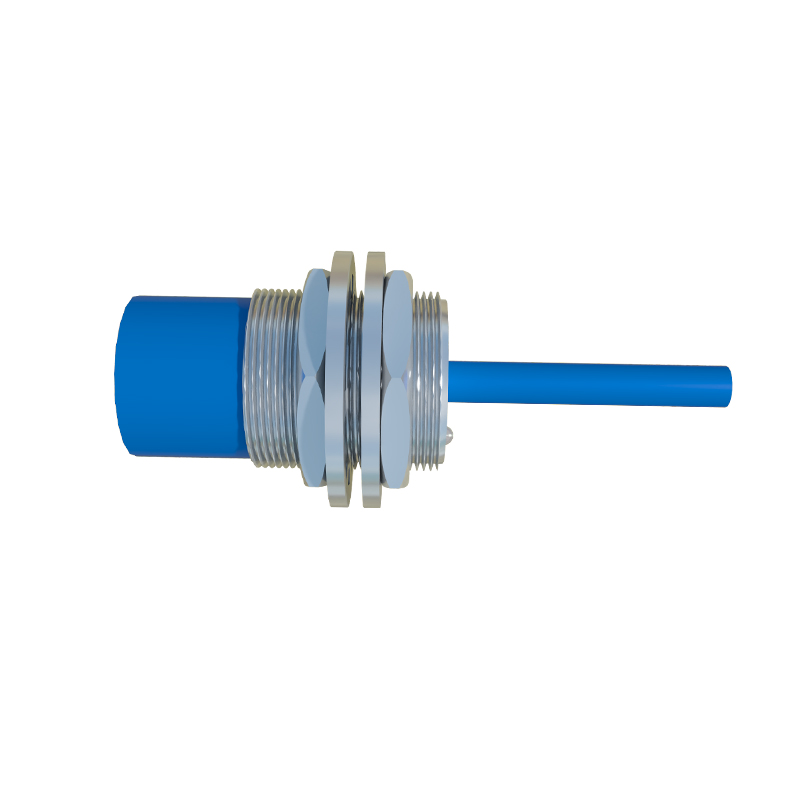
The selection criteria extend beyond the sensing principle. Environmental rating is a top priority. Sensors in a batching plant must typically be rated at least IP67 (Ingress Protection) to withstand high-pressure water washdowns and dust ingress. The sensing range must be carefully chosen to account for the target material and installation tolerances. For instance, a sensor detecting a mixer blade must have a sufficient range to account for mechanical play and thermal expansion. Output type is another key decision: PNP (sourcing) or NPN (sinking) outputs must match the plant's programmable logic controller (PLC) input card specifications. A mismatch here is a common installation error that can damage the sensor or the PLC input.
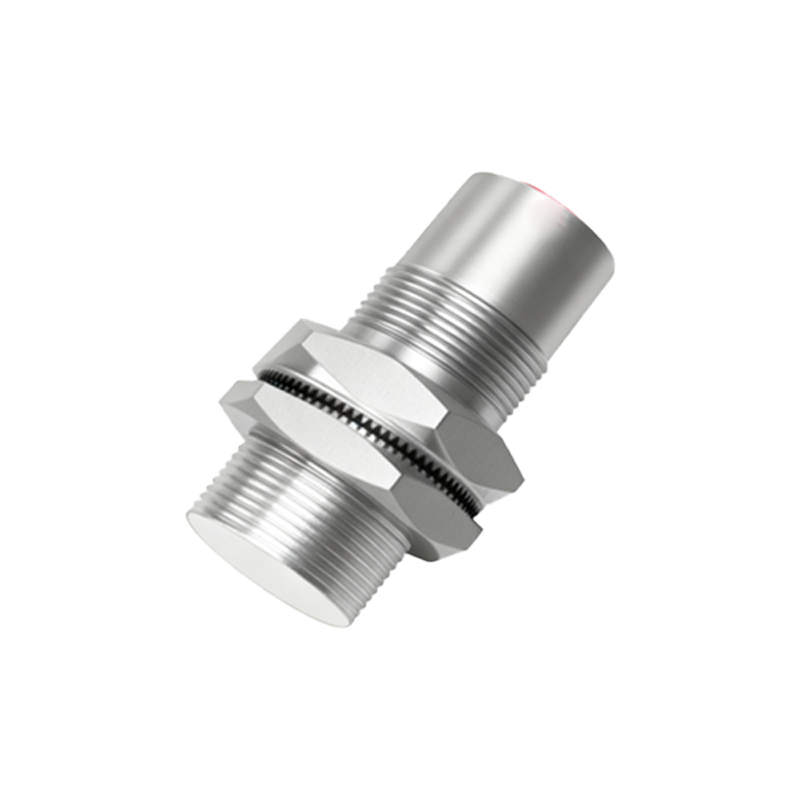
Wiring and installation practices are where theory meets the gritty reality of the plant floor. Conduit and cable glands must be properly sealed to maintain the IP rating. Sensors should be mounted securely to minimize vibration-induced failure, but also with adjustability for fine-tuning. A critical best practice is to maintain an adequate clearance zone around the sensor's sensing face. Metallic plant structures, moving machinery, or even accumulated buildup of conductive material (like cement paste) within this zone can cause false triggering or a reduced sensing range, a phenomenon known as "shielding."
Troubleshooting proximity sensor issues is a frequent task. A systematic approach is essential. First, verify power supply and grounding. Next, observe the sensor's indicator LED (if present) to see if it activates when the target is present. A multimeter can check the output voltage state. Common failures include physical damage from impact, coating of the sensing face with hardened concrete or aggregate (which severely affects performance), internal component failure due to electrical transients, or gradual degradation from constant vibration. Implementing surge protection devices on long cable runs can mitigate transient voltage spikes from motors and solenoids, significantly extending sensor life.
The integration of these sensors into the plant's overall control logic is where their value is fully realized. They provide the essential binary feedback—open/closed, present/absent, full/empty—that allows the PLC to sequence operations safely. For example, the PLC will only initiate the discharge of cement into a weigh batcher once a sensor confirms the receiving gate is closed. It will only start a conveyor motor if sensors indicate the downstream equipment is ready. This interlocking prevents material spills, equipment jams, and dangerous situations.
Looking forward, the evolution of proximity sensing in batching plants includes the adoption of IO-Link capable sensors. This digital communication protocol allows for not just simple on/off signals but also the transmission of diagnostic data—such as operating temperature, signal strength, and device health—back to the control system. This enables predictive maintenance, where a sensor can report a gradual buildup on its face or a weakening internal component before it causes a production stoppage.
In conclusion, proximity sensors are deceptively simple components that perform a vital function in the automated orchestra of a concrete batching plant. For the electrical engineer, mastery of their principles, selection, installation, and integration is a core competency. By specifying the right sensor for the right job, installing it with precision, and understanding its failure modes, engineers ensure the high availability, safety, and efficiency that modern concrete production demands. Their