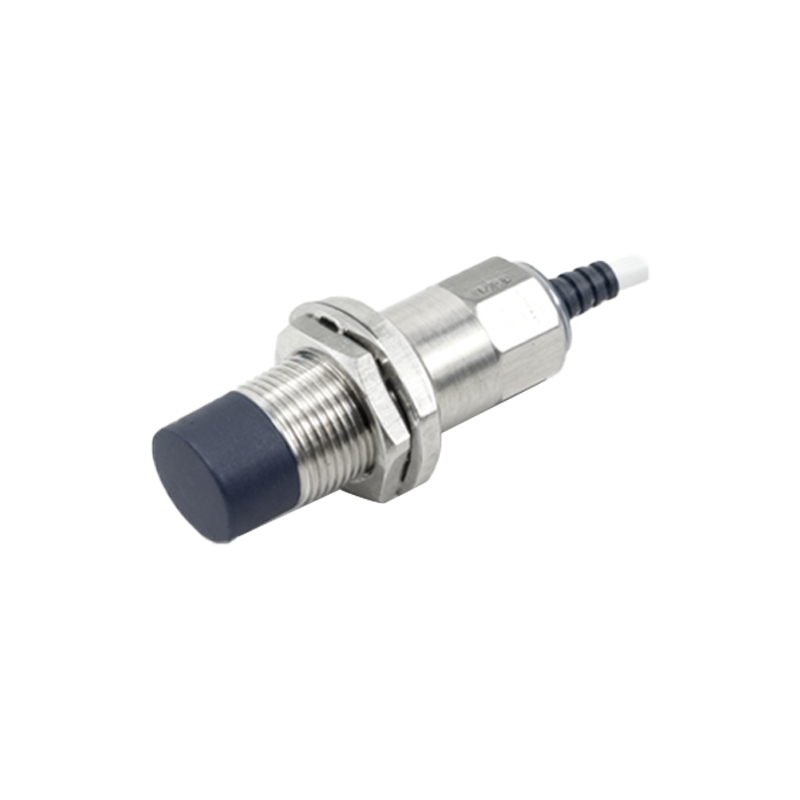
In modern industrial automation and control systems, proximity switch sensors play a critical role in detecting the presence or absence of objects without physical contact. Among these, foreign object proximity switch sensors are specifically designed to identify unintended or potentially hazardous materials in sensitive environments. This article delves into the working principles, types, and applications of these sensors, providing a comprehensive overview for engineers and technicians in the electrical and automation fields.
At its core, a foreign object proximity switch sensor operates based on electromagnetic, capacitive, or inductive principles to detect non-metallic or metallic objects within a predefined range. The most common type is the inductive proximity sensor, which generates an oscillating electromagnetic field. When a foreign object—such as metal debris, plastic fragments, or other materials—enters this field, it causes a change in the oscillation amplitude or frequency. This alteration is detected by the sensor's internal circuitry, triggering an output signal that can activate alarms, shutdown machinery, or initiate corrective actions. For non-metallic objects, capacitive proximity sensors are often employed. These sensors measure changes in capacitance caused by the dielectric properties of the target object, making them suitable for detecting materials like wood, glass, or liquids.
The design of foreign object proximity switches emphasizes high sensitivity and reliability to prevent false triggers while ensuring rapid response times. Key components include an oscillator coil, a signal evaluator, and an output stage. The oscillator generates the detection field, while the evaluator processes changes in the field to distinguish between normal operating conditions and foreign object intrusions. Advanced sensors incorporate microprocessors for digital signal processing, enabling features like adjustable sensing ranges, temperature compensation, and noise immunity. This is particularly important in industrial settings where environmental factors—such as vibration, humidity, or electromagnetic interference—can affect performance.
Applications of these sensors span various industries, including manufacturing, packaging, food processing, and automotive assembly. In conveyor systems, for instance, foreign object proximity switches monitor for contaminants that could damage equipment or compromise product quality. In robotic workcells, they ensure safety by detecting unexpected obstructions in the path of moving parts. The sensors are also integral to quality control processes, where they identify defects or foreign materials in production lines. For example, in the pharmaceutical industry, sensors verify that packaging is free of contaminants before sealing, adhering to strict regulatory standards.
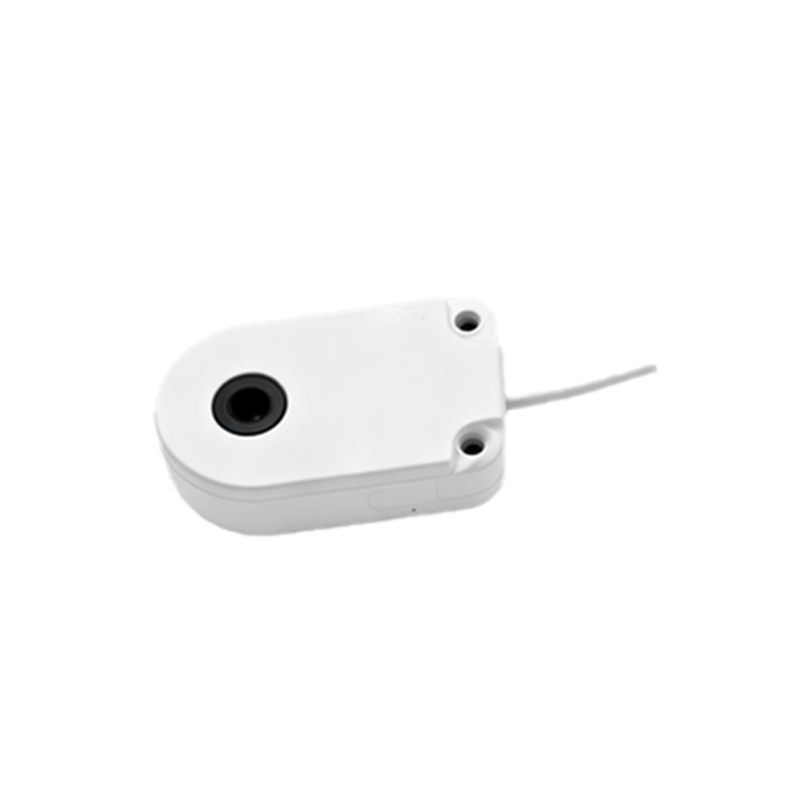
When selecting a foreign object proximity switch sensor, engineers must consider factors such as the material composition of the target object, the required sensing distance, environmental conditions, and output requirements (e.g., analog or digital signals). Regular maintenance, including calibration and cleaning, is essential to sustain accuracy over time. Innovations in sensor technology, such as the integration of IoT connectivity, allow for real-time monitoring and predictive maintenance, enhancing operational efficiency and reducing downtime.
In summary, foreign object proximity switch sensors are vital components in safeguarding industrial processes and ensuring product integrity. By leveraging electromagnetic or capacitive principles, these devices provide non-contact detection capabilities that enhance automation, safety, and reliability. As industries evolve toward smarter manufacturing, the role of these sensors will continue to expand, driven by advancements in sensitivity, durability, and connectivity. Understanding their principles empowers engineers to implement effective solutions for diverse operational challenges.