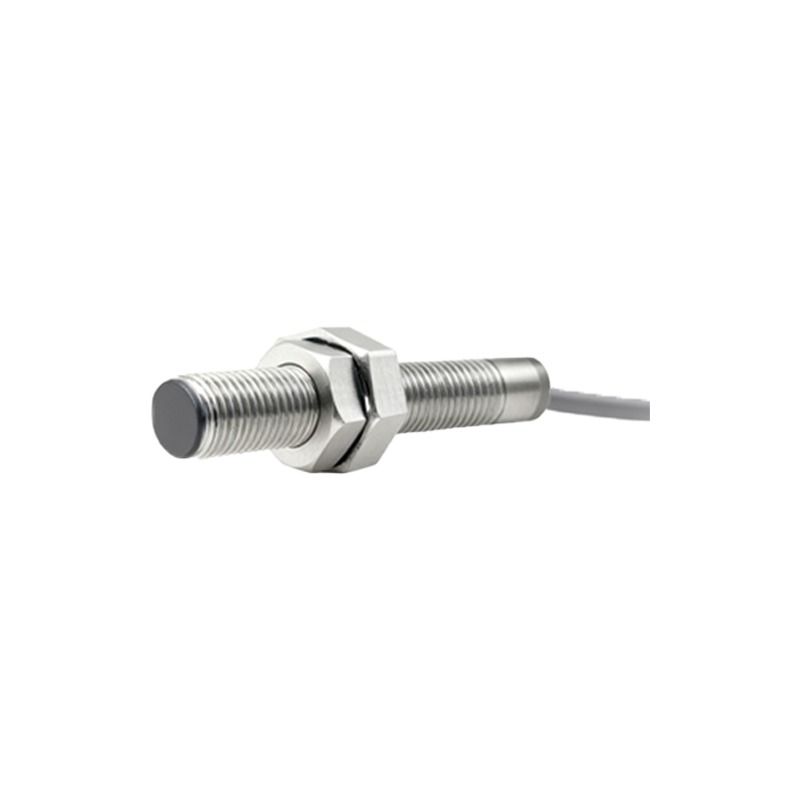
Proximity sensors are essential components in modern industrial automation, designed to detect the presence or absence of objects without physical contact. These sensors operate based on various principles, each suited to specific applications and environmental conditions. The primary types of proximity sensors include inductive, capacitive, ultrasonic, magnetic, and photoelectric sensors, each offering unique advantages in terms of detection range, material compatibility, and reliability.
Inductive proximity sensors are widely used in metal detection applications. They generate an electromagnetic field and detect changes caused by metallic objects entering this field. Typically, these sensors have a short detection range, up to 60 mm, and are ideal for harsh environments with dust, oil, or moisture. Common applications include position sensing in machinery, conveyor systems, and automotive assembly lines. Their robustness and resistance to environmental factors make them a staple in manufacturing settings.
Capacitive proximity sensors can detect both metallic and non-metallic materials, such as plastics, liquids, or granular substances. They work by measuring changes in capacitance when an object enters their electrostatic field. With detection ranges up to 40 mm, these sensors are versatile for level detection, material handling, and packaging industries. However, they may be sensitive to environmental factors like humidity, requiring careful calibration for optimal performance.
Ultrasonic proximity sensors use sound waves to detect objects, making them suitable for a wide range of materials and surfaces. They emit high-frequency ultrasonic pulses and measure the time taken for echoes to return, allowing for precise distance measurement. Detection ranges can extend up to several meters, enabling applications in object positioning, fill level control, and collision avoidance systems. Their ability to operate in challenging conditions, such as dusty or foggy environments, adds to their utility in industries like logistics and robotics.
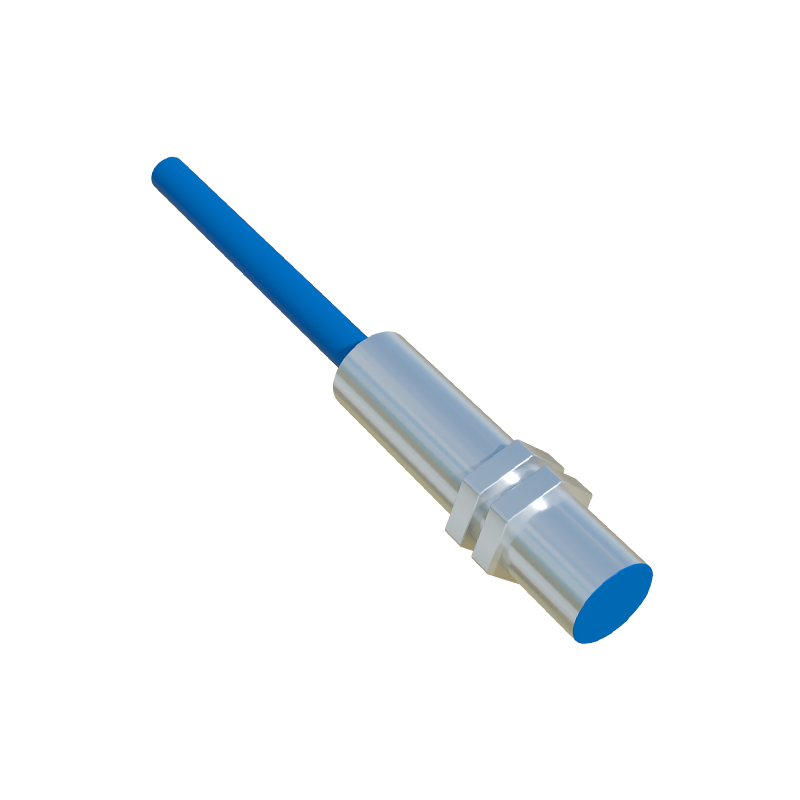
Magnetic proximity sensors, often referred to as reed switches or Hall effect sensors, detect magnetic fields generated by permanent magnets or electromagnets. They are highly reliable for position sensing in cylinders, valves, and safety systems, with detection ranges typically limited to a few centimeters. These sensors are immune to non-magnetic interference and excel in high-temperature or explosive environments, commonly found in automotive and aerospace sectors.
Photoelectric proximity sensors utilize light beams, usually infrared or laser, to detect objects. They come in three main configurations: through-beam, retro-reflective, and diffuse reflective. Through-beam sensors offer the longest detection ranges, up to hundreds of meters, while diffuse types are compact for close-range applications. These sensors are ideal for detecting small or transparent objects, used in packaging, electronics assembly, and pharmaceutical industries. Sensitivity to ambient light or dirty lenses can be mitigated with proper shielding and maintenance.
In summary, selecting the right proximity sensor depends on factors like target material, detection distance, environmental conditions, and cost. Inductive sensors excel with metals, capacitive sensors handle diverse materials, ultrasonic sensors provide long-range detection, magnetic sensors ensure reliability in harsh settings, and photoelectric sensors offer precision for delicate tasks. Understanding these types enables engineers to optimize automation systems for efficiency and safety, driving innovation in smart factories and IoT applications. Regular maintenance and calibration further enhance sensor longevity and accuracy, ensuring seamless industrial operations.