In the realm of industrial automation and electrical engineering, the selection of proximity sensors is a critical decision that impacts system reliability, efficiency, and long-term operational costs. As a seasoned electrical engineer, I am often asked, "Which brand of proximity sensor is better?" The answer is not monolithic, as the "best" brand often depends on the specific application, environmental conditions, performance requirements, and budget constraints. This guide aims to provide a professional, nuanced comparison to aid in this selection process.
First, it is essential to understand the core technologies. Inductive proximity sensors are the workhorses for detecting metallic objects, while capacitive sensors can detect both metallic and non-metallic materials. Ultrasonic and photoelectric sensors offer solutions for longer ranges or specific material properties. Leading brands typically excel in one or more of these technologies.
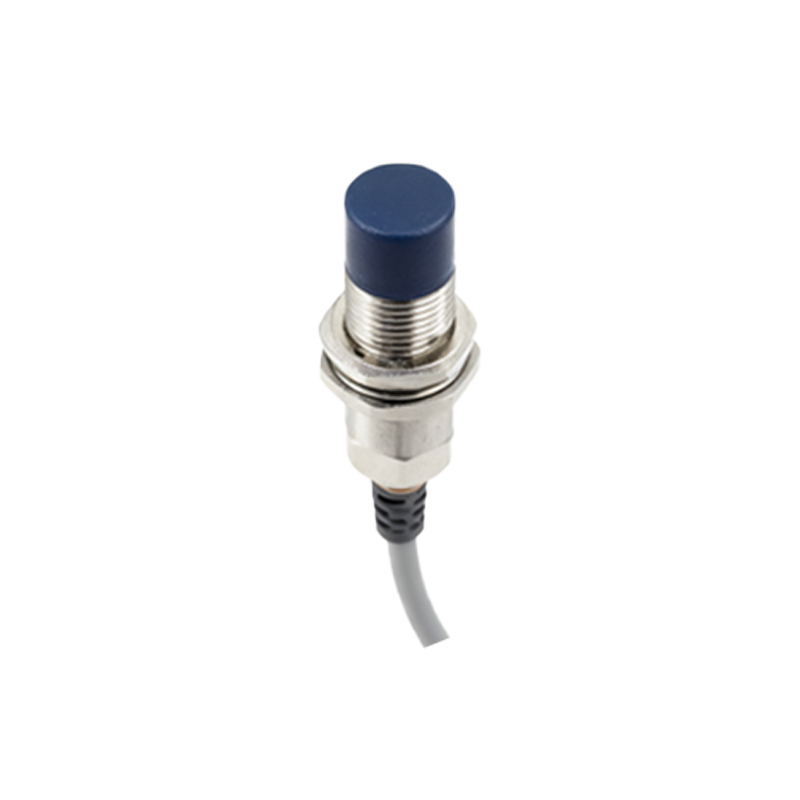
When evaluating brands, several key factors must be considered:
1. Performance & Reliability: This encompasses sensing range, repeat accuracy, response frequency, and immunity to environmental interference such as temperature fluctuations, voltage spikes, and electromagnetic noise. Top-tier brands invest heavily in R&D to ensure their sensors perform consistently under harsh industrial conditions.
2. Durability & Build Quality: The housing material (often stainless steel or PBT plastic), ingress protection (IP) rating, and resistance to chemicals, welding spatter, and physical impact are paramount. A sensor might have excellent electronics but fail prematurely due to a substandard housing.
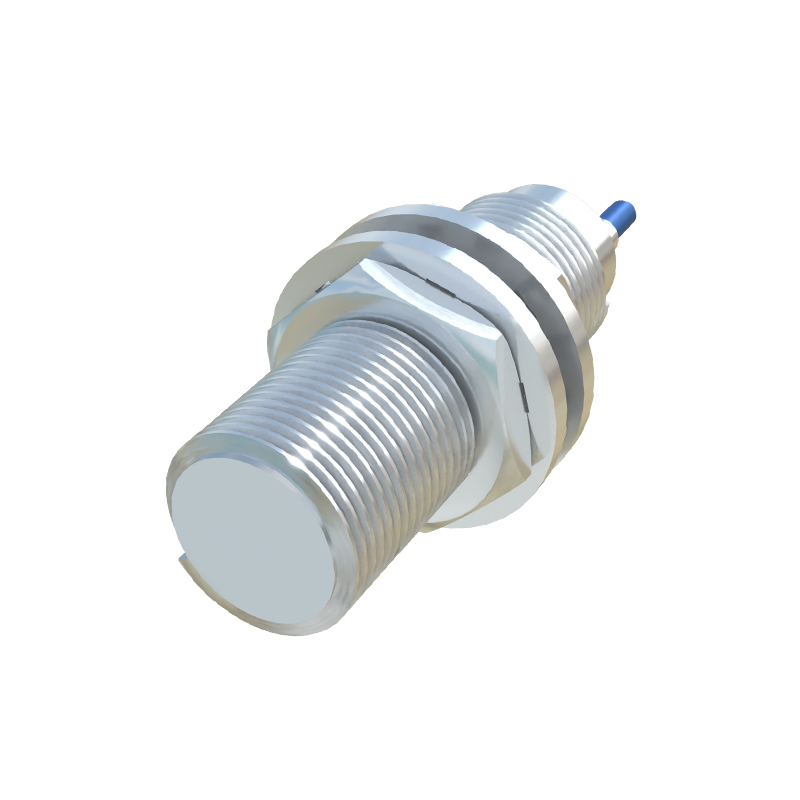
3. Product Range & Specialization: Some brands offer an exceptionally wide portfolio, covering every conceivable type and form factor. Others might specialize in ultra-rugged sensors for heavy industry or miniaturized versions for compact machinery.
4. Technical Support & Documentation: The availability of detailed datasheets, CAD models, configuration software, and accessible application engineering support is crucial for seamless integration and troubleshooting.
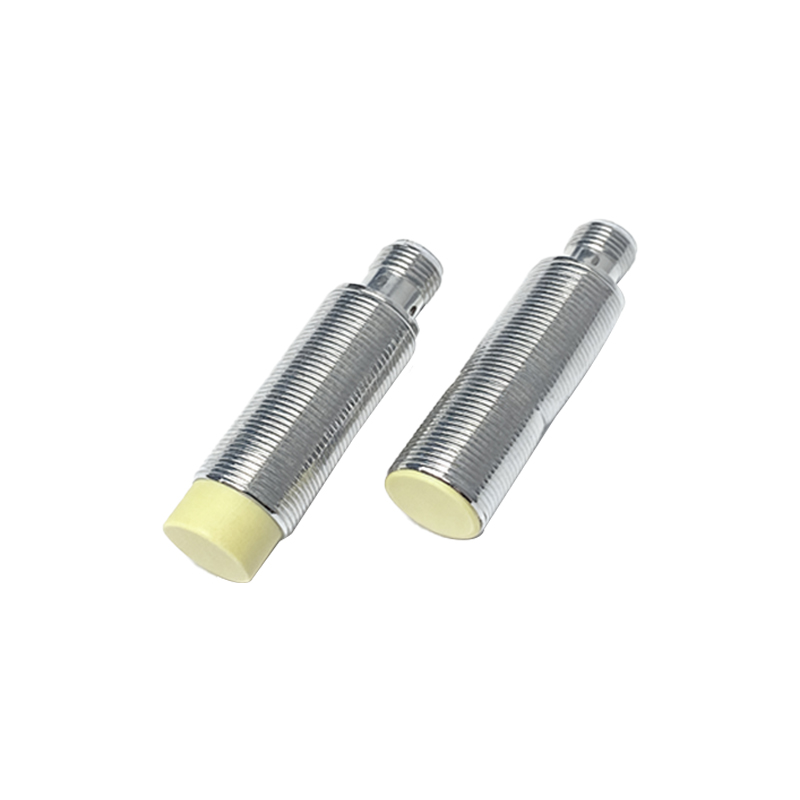
5. Global Availability & Supply Chain: For multinational operations, consistent product availability and local distributor support are significant advantages.
Based on these criteria, here is an analysis of several prominent brands recognized in the global market:
Sick AG: A German powerhouse, Sick is synonymous with high precision, innovation, and robustness. Their sensors are often at the premium end, featuring advanced diagnostics, IO-Link compatibility, and exceptional durability. They are a top choice for demanding applications in automotive, packaging, and material handling where failure is not an option.
Pepperl+Fuchs: Another German leader, Pepperl+Fuchs is renowned for its expertise in intrinsic safety and explosion-proof (Ex) sensors for hazardous areas. Their product range is vast, and they are particularly strong in inductive and capacitive technologies. They offer excellent quality and reliability for a broad spectrum of industries.
Omron Corporation: A Japanese multinational, Omron is a dominant force in factory automation. They are known for exceptional value, consistency, and a remarkably extensive catalog. Omron sensors are widely used in electronics assembly, semiconductor, and general manufacturing. Their reliability and global distribution network make them a very safe and popular choice.
Balluff GmbH: A German specialist in sensor technology and industrial identification, Balluff excels in providing innovative solutions, particularly in miniaturized sensors and sensors with integrated IO-Link functionality for Industry 4.0 applications. They are highly regarded for their technical sophistication and application-specific designs.
IFM Electronic: IFM is celebrated for its user-friendly design, robust construction, and strong diagnostic capabilities. Their sensors often feature clear LED indicators and simple setup. IFM has a strong presence in mobile hydraulics, food and beverage, and general industrial automation, offering a great balance of performance and practicality.
Rockwell Automation (Allen-Bradley): For engineers deeply integrated into the Rockwell ecosystem, their Allen-Bradley line of sensors offers guaranteed compatibility and simplified integration with Rockwell PLCs and networks. While sometimes priced at a premium, they provide peace of mind for system-wide interoperability in large-scale North American installations.
Conclusion and Recommendation:
There is no single "best" brand. For ultra-demanding, high-precision applications where cost is secondary, Sick or Pepperl+Fuchs are outstanding. For the best balance of reliability, value, and global availability in general manufacturing, Omron is exceptionally hard to beat. For cutting-edge, networked sensor solutions and miniaturization, Balluff is a leader. For ease of use and robust performance, IFM is an excellent contender. Finally, for seamless integration within a specific control architecture, sticking with the OEM brand like Rockwell Automation can be strategic.
Ultimately, the optimal approach is to define your application's technical specifications first, then shortlist 2-3 brands that meet those specs, and finally evaluate based on