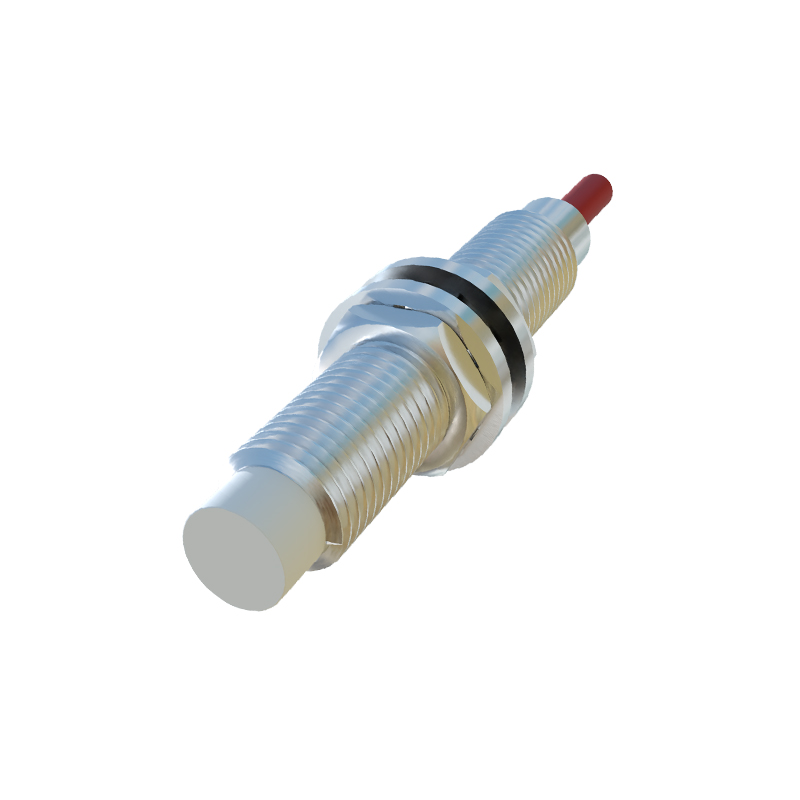
In today's rapidly evolving industrial landscape, the demand for precision, reliability, and adaptability in automation systems has never been higher. Miniature proximity sensors, as critical components in detecting the presence or absence of objects without physical contact, play a pivotal role in enhancing operational efficiency across various sectors, including manufacturing, robotics, automotive, and packaging. However, off-the-shelf sensors often fall short when faced with unique environmental challenges, space constraints, or specific performance requirements. This is where customized solutions for miniature proximity sensors become indispensable, offering tailored designs that align precisely with application needs.
The journey toward a successful custom sensor begins with a thorough analysis of the operational environment. Factors such as temperature extremes, exposure to chemicals, moisture levels, and electromagnetic interference must be considered to ensure durability and accuracy. For instance, in automotive assembly lines, sensors may encounter oil, coolant, or metal shavings, necessitating robust housings made from materials like stainless steel or specialized polymers. Similarly, in food processing applications, sensors must comply with hygiene standards, often requiring IP69K-rated enclosures for washdown environments. By collaborating closely with clients, engineers can select appropriate materials, sealing techniques, and circuit protections to mitigate these challenges.
Another critical aspect of customization is the sensing technology itself. Miniature proximity sensors typically utilize inductive, capacitive, or magnetic principles, each suited to different target materials and detection ranges. Inductive sensors are ideal for metallic objects, offering high precision in short-range detection, while capacitive sensors can detect non-metallic substances like plastics or liquids. Magnetic sensors, on the other hand, excel in applications involving permanent magnets or ferrous metals. Customization allows for fine-tuning parameters such as sensing distance, response time, and output signals (e.g., PNP/NPN, analog, or IO-Link) to match specific machinery interfaces. For example, a robotic gripper in an electronics assembly line might require a sensor with ultra-fast response times and a compact form factor to fit within tight spaces, ensuring seamless pick-and-place operations.
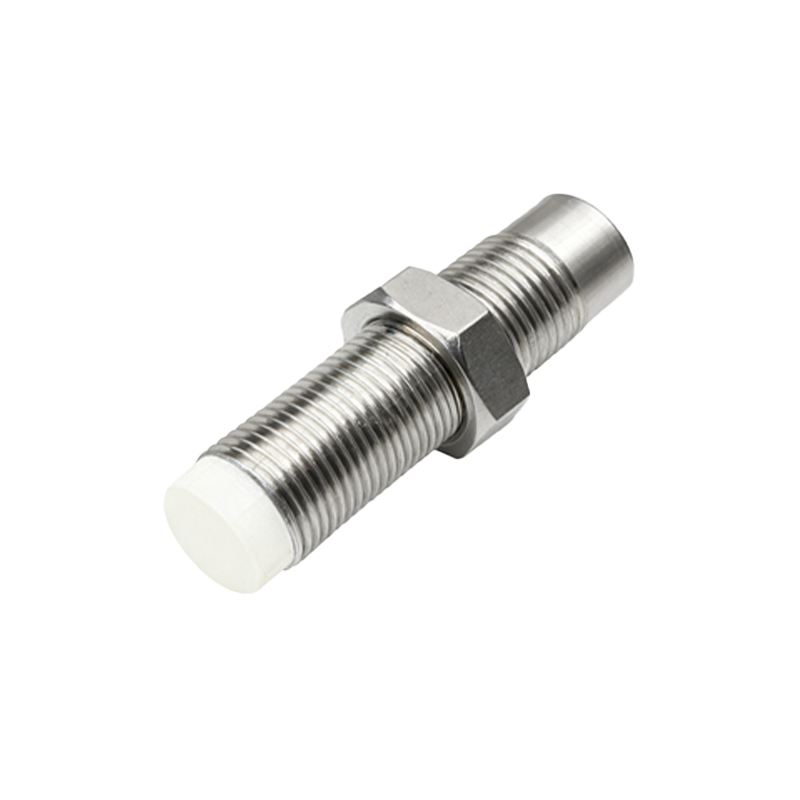
Size and form factor are often decisive factors in sensor selection, especially in modern compact machinery. Standard miniature sensors may still be too bulky for certain installations, prompting the need for custom-designed shapes or mounting options. Engineers can develop sensors with reduced footprints, elongated bodies, or angled heads to bypass obstructions. Additionally, integration with existing systems is streamlined through custom cable lengths, connector types, or wireless capabilities. In medical device manufacturing, for instance, sensors might need to be sterilizable and miniaturized to fit inside diagnostic equipment, demanding collaboration with regulatory experts to meet industry standards like ISO 13485.
Performance optimization extends beyond physical design to include advanced features such as programmability, diagnostics, and connectivity. Custom sensors can incorporate smart functionalities like self-monitoring for wear or contamination, reducing downtime through predictive maintenance. With the rise of Industry 4.0, sensors equipped with IoT-enabled interfaces facilitate real-time data exchange, enabling predictive analytics and remote control. A case in point is a packaging line where custom sensors with integrated temperature compensation adjust sensitivity based on ambient changes, maintaining consistent detection accuracy despite thermal fluctuations.

The development process for custom miniature proximity sensors involves iterative prototyping and rigorous testing. Prototypes undergo validation in simulated or actual operating conditions to verify performance metrics like repeatability, hysteresis, and longevity. Feedback loops between engineers and clients ensure that any adjustments are made promptly, leading to a final product that meets or exceeds expectations. Cost-effectiveness is also balanced by leveraging modular designs or scalable production methods, making customization accessible even for small to medium-sized enterprises.
In conclusion, the customization of miniature proximity sensors is not merely a luxury but a strategic necessity in addressing the nuanced demands of modern industry. By embracing tailored solutions, businesses can achieve higher productivity, reduced waste, and enhanced safety. As technology advances, the collaboration between engineers and end-users will continue to drive innovation, paving the way for smarter, more resilient automation systems. Whether it's for harsh environments, space-constrained applications, or specialized functionalities, custom sensors offer a pathway to optimized performance and long-term value.