In the intricate world of industrial automation, where precision, safety, and efficiency are paramount, proximity sensors operate as the silent, invisible guardians. These non-contact detection devices are fundamental components, seamlessly integrated into countless systems to monitor, control, and protect. But what exactly is their purpose, and why are they so indispensable across manufacturing, automotive, packaging, and material handling industries?
At its core, a proximity sensor detects the presence or absence of an object within a specified range without any physical contact. It achieves this by emitting an electromagnetic field, beam, or acoustic wave and then looking for changes in the field or return signal. The primary utility lies in their ability to provide reliable, wear-free sensing in harsh environments where mechanical switches would fail. They are immune to dirt, oil, and moisture, ensuring consistent performance where it matters most.
The applications are vast and varied. One of the most critical uses is in position sensing and verification. On a high-speed assembly line, inductive proximity sensors reliably detect the presence of metal components—a piston in a cylinder, a gear tooth, or a robotic arm's end position. This ensures each part is correctly located before the next machining or assembly step proceeds, preventing costly errors and jams. Similarly, capacitive sensors can detect non-metallic materials like glass, plastic, or liquids, making them perfect for monitoring fill levels in bottles or detecting wood panels.
Safety is another domain where proximity sensors prove invaluable. They form the backbone of machine guarding systems. Safety-rated capacitive or laser sensors can create an invisible protective field around dangerous machinery. If a worker's hand or body part breaches this zone, the sensor sends an immediate signal to halt the machine, preventing potential injuries. This non-contact method is far superior and more responsive than physical barriers or gates.
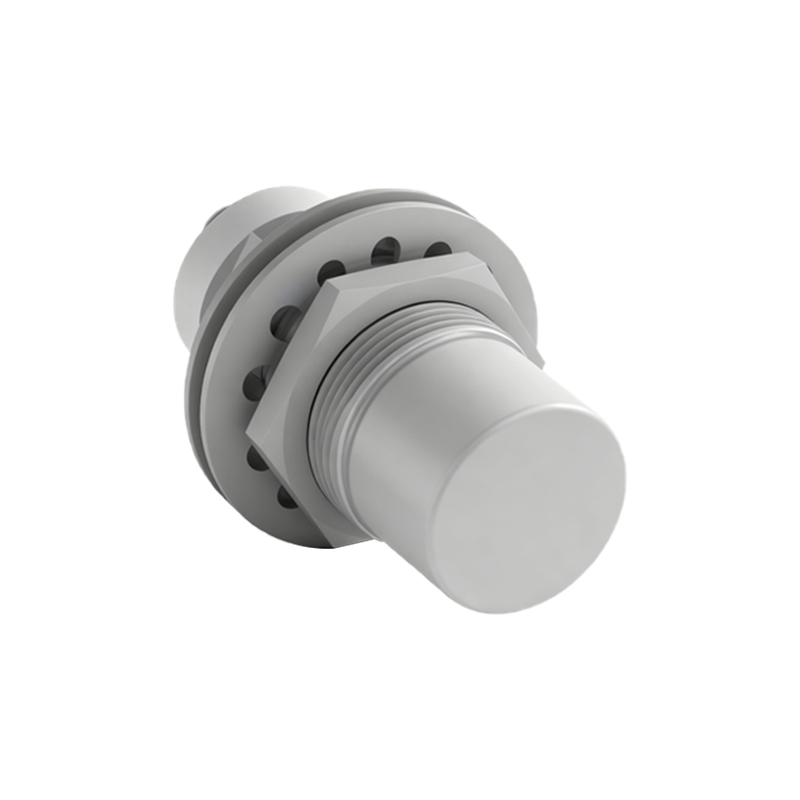
In the realm of automated material handling and robotics, proximity sensors provide essential feedback for navigation and object manipulation. AGVs (Automated Guided Vehicles) use arrays of sensors to detect obstacles and navigate warehouses safely. Robotic arms rely on precise proximity detection to pick and place items accurately without damaging delicate products. Furthermore, they enable condition monitoring by detecting the vibration or displacement of rotating machinery, allowing for predictive maintenance before a catastrophic failure occurs.
The choice of sensor technology—inductive, capacitive, ultrasonic, photoelectric, or magnetic—is dictated by the application's specific needs, such as target material, required sensing distance, environmental conditions, and response speed. For instance, inductive sensors are champions for ferrous metals at short ranges, while ultrasonic sensors excel at longer-range detection of virtually any material, even in dusty environments.
Ultimately, the usefulness of proximity sensors transcends simple detection. They are the critical enablers of automation, providing the essential data points that programmable logic controllers (PLCs) and other control systems need to make intelligent decisions. They enhance productivity by enabling faster machine cycles and reducing downtime. They improve product quality through precise, repeatable measurements. They safeguard personnel and equipment. In essence, proximity sensors are the unseen sentinels that make modern, smart, and safe industrial operations not just possible, but efficient and reliable. Their role is foundational, turning manual processes into automated, data-driven systems that define contemporary manufacturing excellence.