In the realm of industrial automation and electrical engineering, proximity sensors are indispensable components. They detect the presence or absence of an object within a specific range without any physical contact, enabling precise control, safety, and efficiency in countless applications. Understanding the various types of proximity sensors, their operating principles, and ideal use cases is crucial for selecting the right sensor for any given task. This guide provides a detailed overview of the primary categories.
The most common classification is based on the underlying sensing technology. The first major type is the Inductive Proximity Sensor. These sensors generate an electromagnetic field. When a metallic object (ferrous or non-ferrous) enters this field, it induces eddy currents within the object, causing a change in the sensor's oscillation amplitude. This change is detected and triggers an output signal. Inductive sensors are robust, resistant to environmental factors like dust and moisture, and are ideal for detecting metals in harsh industrial environments, such as in machine tools, conveyor systems, and automotive assembly lines. Their sensing range is typically limited and varies with the type of metal.
The second prominent category is the Capacitive Proximity Sensor. These sensors function by generating an electrostatic field. Any object that enters this field, whether metallic or non-metallic (like plastic, wood, glass, or liquids), alters the capacitance of the system. This alteration is measured, and when it reaches a preset threshold, the sensor switches its output state. Capacitive sensors are versatile and can detect a wide range of materials. They are commonly used for level detection in tanks (for liquids or granules), material handling, and presence detection of non-metallic objects. However, they can be sensitive to environmental changes like humidity.
Ultrasonic Proximity Sensors represent a third key technology. They operate on the principle of echolocation. The sensor emits high-frequency sound waves (ultrasound) and then listens for the echo reflected from a target object. By measuring the time interval between the emission and the reception of the echo, the sensor can calculate the distance to the object. Ultrasonic sensors are excellent for detecting objects of virtually any material, shape, or color, and they are effective over longer distances compared to inductive or capacitive types. Applications include distance measurement, object profiling, and level sensing in challenging conditions where other sensors might fail, such as with transparent objects or in dusty environments.
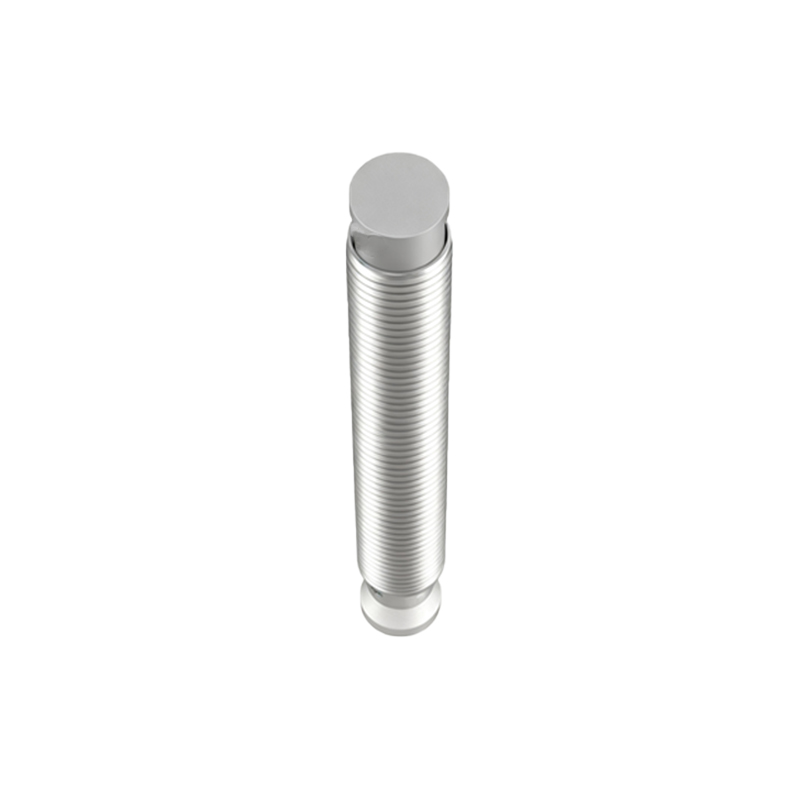
Photoelectric Sensors, while sometimes categorized separately, are a vital form of proximity detection. They use a light beam (usually infrared, visible red, or laser) emitted from a transmitter. The presence of an object is detected either by the interruption of this beam (through-beam type), by the reflection from the object back to a receiver housed in the same unit (retro-reflective or diffuse reflective types). Photoelectric sensors offer very long sensing ranges, high speed, and the ability to detect small objects. They are perfect for packaging, material handling, and assembly line counting.
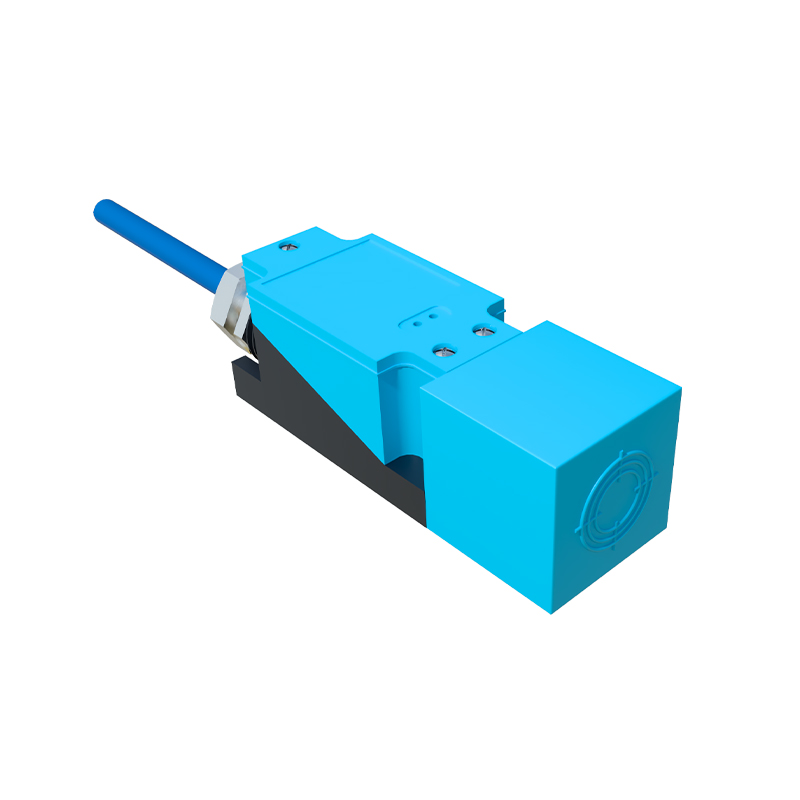
A fifth, specialized type is the Magnetic Proximity Sensor (often using Reed Switches or Hall Effect sensors). These detect the presence of a magnetic field, typically from a permanent magnet attached to the moving target. When the magnet comes within range, it either closes a reed switch (a pair of ferromagnetic contacts sealed in a glass tube) or triggers a Hall Effect chip that produces a voltage. Magnetic sensors are extremely reliable for detecting position in clean environments, such as in cylinder position feedback, door/window security systems, and speed sensing.
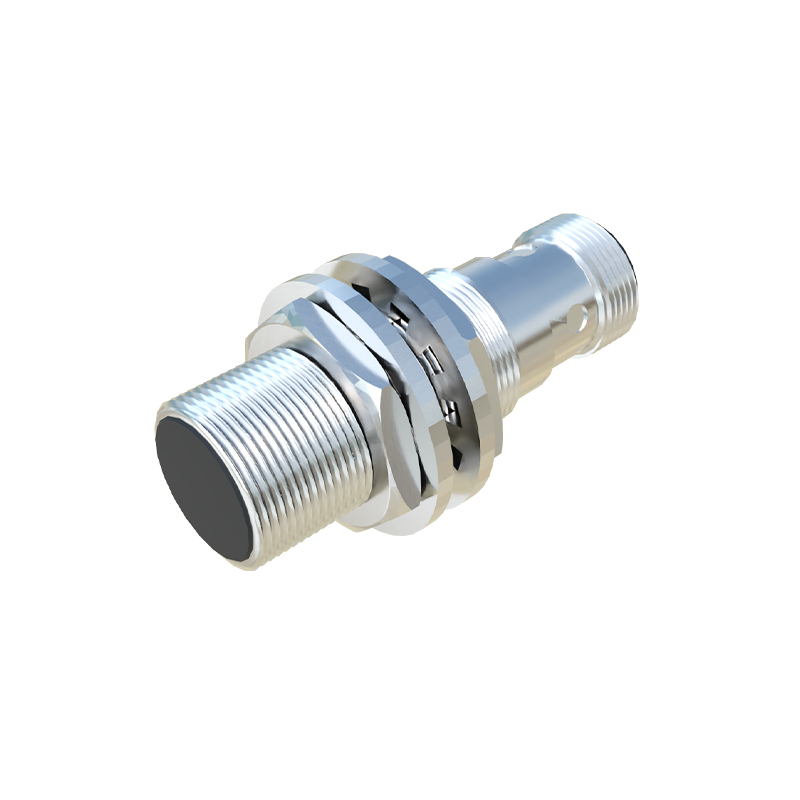
Selecting the appropriate proximity sensor requires careful consideration of several factors: the target material (metal, plastic, liquid), the required sensing distance, the operating environment (temperature, presence of contaminants, humidity), the output type needed (PNP/NPN, analog, IO-Link), the response speed, and the physical size and mounting constraints. For instance, an inductive sensor is useless for detecting a plastic bottle, just as a capacitive sensor might be prone to false triggers in a very humid area where an ultrasonic sensor would perform reliably.
In conclusion, the diverse family of proximity sensors—inductive, capacitive, ultrasonic, photoelectric, and magnetic—provides electrical engineers with a powerful toolkit for non-contact detection. Each technology has its distinct advantages and limitations. A deep understanding of these principles ensures optimal sensor selection, leading to more robust, efficient, and intelligent automated systems. As Industry 4.0 and the Industrial Internet of Things (IIoT) advance, the integration of smart sensors with digital communication protocols continues to expand the capabilities and applications of these fundamental devices.