In the realm of high-voltage electrical engineering, ensuring safety, reliability, and precise monitoring is paramount. Proximity high voltage sensors have emerged as a critical technology for non-contact voltage measurement and detection in a wide array of applications, from power transmission and distribution to industrial automation and renewable energy systems. Unlike traditional methods that require direct electrical contact, these sensors operate on the principle of sensing the electric field generated by an energized conductor, thereby providing a safer and often more practical solution for voltage presence indication and measurement.
The fundamental operating principle of most proximity high voltage sensors is based on capacitive coupling. The sensor, which is essentially a sensing electrode, is placed near but not in contact with the high-voltage conductor. The alternating electric field from the conductor induces a small displacement current in the sensing electrode. This minute current is then processed by sophisticated internal electronics, which typically include signal conditioning, amplification, and filtering circuits. The processed signal can be output as a binary on/off signal for presence detection or as an analog signal proportional to the measured voltage level. Advanced designs incorporate algorithms to compensate for environmental factors like humidity, temperature, and external interference, ensuring stable and accurate readings.
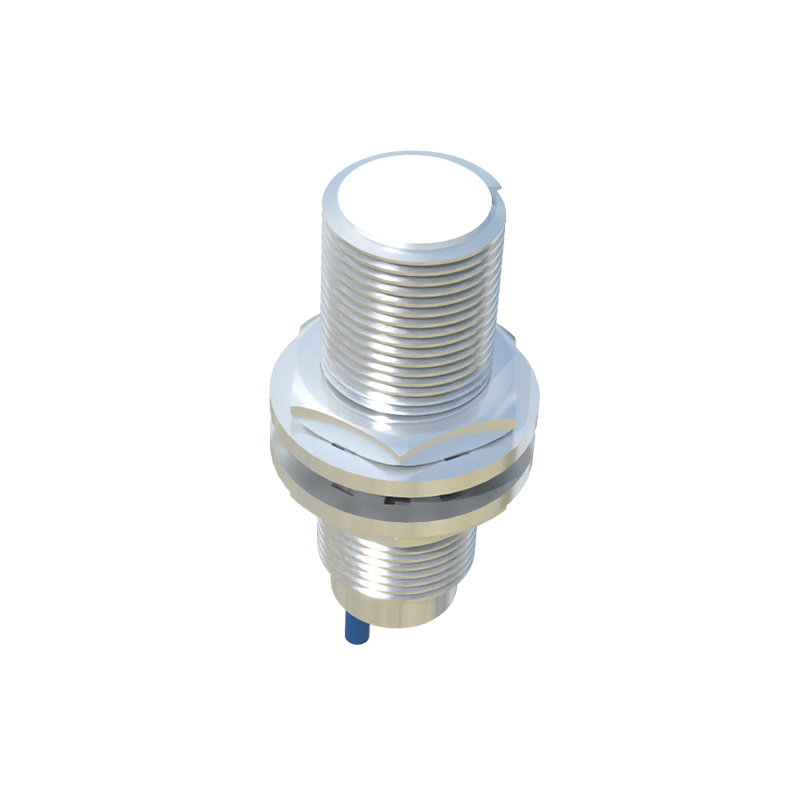
The advantages of using proximity sensors for high-voltage applications are significant. Foremost is enhanced operational safety. By eliminating the need for galvanic contact, these sensors drastically reduce the risk of arc flash, short circuits, and electrical shock to personnel during installation and maintenance. They also allow for continuous monitoring without disrupting the circuit, which is crucial for critical infrastructure. Furthermore, their non-intrusive nature means they can be retrofitted onto existing systems without major modifications, offering a cost-effective upgrade path for aging infrastructure.
In terms of applications, proximity high voltage sensors are ubiquitous. In substations and switchgear, they are used for busbar voltage indication, verifying de-energization for safe maintenance (lockout/tagout procedures), and monitoring circuit breaker status. In overhead power lines, specially designed sensors can be clamped onto lines to provide real-time voltage data for grid management and fault detection. The renewable energy sector heavily relies on them within wind turbine nacelles and solar farm combiner boxes to monitor medium-voltage connections. Additionally, they find use in industrial settings for monitoring high-voltage motors, furnaces, and electrostatic precipitators.
Selecting the appropriate proximity high voltage sensor requires careful consideration of several key parameters. The rated voltage range is the primary specification; the sensor must be designed for the system's nominal and maximum operating voltages, including transient overvoltages. The operating distance, or sensing range, is crucial and depends on the sensor's sensitivity and the conductor's size and insulation. Environmental conditions dictate the required ingress protection (IP) rating for dust and moisture resistance, as well as the operational temperature range. Output type must match the control system: a relay contact for simple alarms, a PNP/NPN transistor output for PLCs, or a standardized analog signal like 4-20 mA or 0-10 V for SCADA systems. Finally, certifications such as IEC, UL, or ATEX for hazardous areas are often mandatory for compliance with regional safety standards.
Installation and maintenance are relatively straightforward but demand attention to detail. Sensors must be mounted at a specified distance from the conductor, as per the manufacturer's guidelines, to ensure proper operation and avoid saturation or insufficient signal. The mounting hardware should be non-conductive and robust enough to withstand vibration and environmental stress. Regular maintenance typically involves visual inspection for physical damage, cleaning of the sensing face, and verification of the output signal. It is vital to follow the manufacturer's instructions and adhere to all applicable safety protocols, even when the sensor itself enhances safety.
The future of proximity high voltage sensor technology is geared towards greater intelligence and integration. The trend is moving towards digital sensors with built-in microprocessors that offer self-diagnostics, advanced communication protocols (like IO-Link or Modbus), and the ability to integrate into the Industrial Internet of Things (IIoT) for predictive maintenance and data analytics. Developments in materials and design are also pushing the limits of sensitivity and robustness, allowing for reliable operation in even harsher environments.
In conclusion, proximity high voltage sensors represent a sophisticated and essential component in modern electrical systems. By providing a safe, reliable, and non-intrusive means of voltage detection and measurement, they play a vital role in protecting assets, ensuring personnel safety, and enabling the efficient and intelligent operation of high-voltage infrastructure across numerous industries. Their continued evolution will undoubtedly keep pace with the increasing demands for grid resilience, automation, and data-driven management in the electrical power landscape.