For years, robot vacuums navigated homes like clumsy guests, bumping into furniture and getting stuck. The advent of Lidar (Light Detection and Ranging) sensors has fundamentally changed this narrative, transforming these devices from simple cleaning tools into intelligent, efficient home assistants. This technology, often called laser navigation, is the cornerstone of modern high-performance robot vacuums, enabling precision, speed, and reliability that was previously unimaginable.
At its core, a Lidar sensor in a robot vacuum is a rotating laser turret that emits invisible infrared light pulses thousands of times per second. These pulses bounce off objects in the room—chair legs, walls, sofas—and return to the sensor. By precisely measuring the time it takes for each pulse to return, the vacuum’s onboard computer can calculate distances with millimeter-level accuracy. This process happens in real-time, creating a constantly updating, detailed 360-degree map of the environment. Unlike older camera-based systems that struggle in low light, Lidar operates flawlessly in complete darkness, making it ideal for cleaning under beds or at night.
The real magic lies in what the robot vacuum does with this data. It doesn't just avoid obstacles; it builds a persistent map of your home’s floor plan. This map is stored in memory, allowing for features like room-specific cleaning, no-go zones, and selective room targeting via a smartphone app. You can tell the vacuum to clean only the kitchen after dinner or avoid the area around the pet’s water bowl. The efficiency gains are substantial. Instead of random, repetitive patterns, a Lidar-equipped vacuum cleans in methodical, back-and-forth rows, covering nearly 100% of the available floor space in a single session and often completing the job in half the time of non-mapping models.
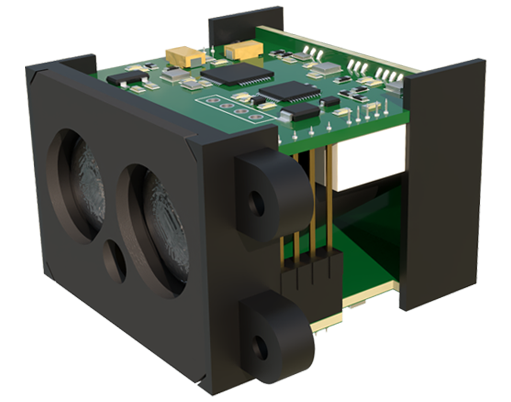
This precise spatial awareness directly translates to superior cleaning performance. The vacuum can navigate close to walls and along edges for effective perimeter cleaning, a task older bump-and-run robots performed poorly. It can also identify and remember the location of persistent obstacles, learning to approach them more cautiously over time. Furthermore, the accuracy of the map enables advanced features like multi-floor mapping, where the vacuum can store separate maps for different levels of a home and automatically recognize which floor it is on when its docking station is moved.
From a user experience perspective, the difference is night and day. Setup is straightforward—the vacuum typically does one or two exploratory runs to learn the layout. Daily operation becomes truly hands-off. The combination of intelligent pathfinding and virtual boundaries set in the app means less manual intervention to free a stuck device. Maintenance of the sensor itself is minimal, usually requiring only occasional wiping of the rotating turret’s window to ensure clear laser transmission.
While Lidar represents the current gold standard for navigation, it is part of a broader sensor suite. Most advanced robots also incorporate cliff sensors to avoid falls, side brushes for edge cleaning, and often a forward-facing camera for object recognition (like distinguishing a sock from a power cord). This sensor fusion creates a robust and fail-safe system. The future points toward even greater integration, with Lidar maps potentially syncing with smart home ecosystems to coordinate with other devices or providing data for home security and monitoring.
In conclusion, the integration of Lidar laser navigation is the single most significant advancement in robot vacuum technology. It moves the category beyond mere novelty into the realm of essential, reliable home appliances. By providing a precise, real-time understanding of space, it enables not just cleaning, but systematic home management. For consumers seeking a truly autonomous cleaning partner that saves time and delivers consistent results, a robot vacuum equipped with a laser distance measurement sensor is no longer a luxury—it’s the intelligent choice.