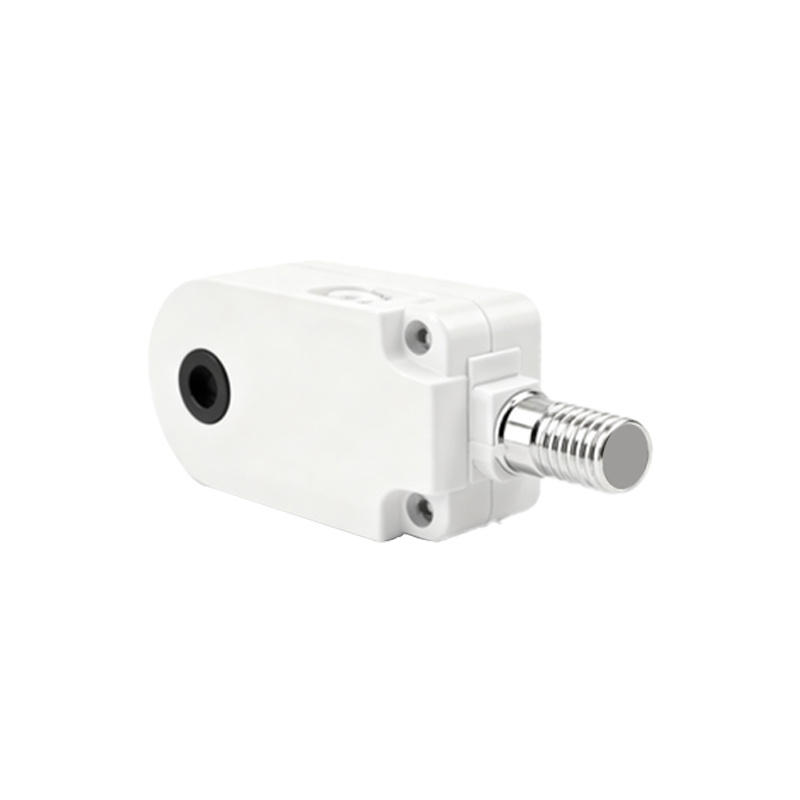
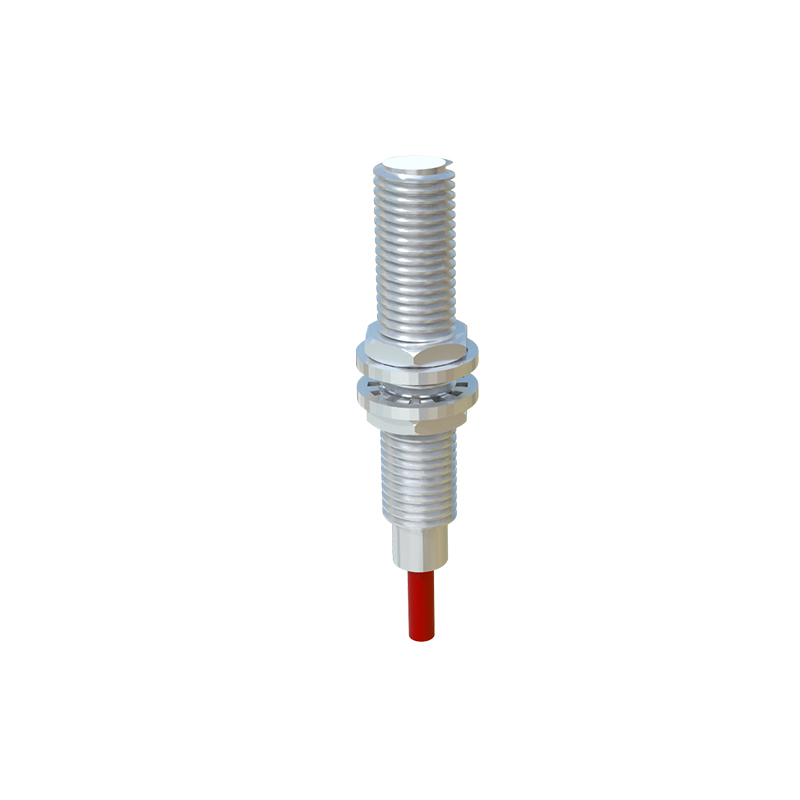
In the realm of industrial automation, photoelectric sensor proximity switches stand as indispensable components, offering non-contact detection capabilities that enhance efficiency, reliability, and safety across diverse applications. These sensors operate on the principle of light beam transmission and reception, enabling precise detection of objects without physical contact. This article delves into the technical intricacies, operational mechanisms, and practical considerations for implementing photoelectric proximity switches in industrial settings.
Photoelectric sensors function by emitting a light beam—typically infrared, visible red, or laser—from a transmitter unit. When an object enters the sensing range, it interrupts or reflects the beam, which is then captured by a receiver. This interaction triggers an output signal, such as a switch closure or voltage change, to indicate the object's presence. The three primary sensing modes include through-beam, retro-reflective, and diffuse reflective configurations, each suited to specific environmental and operational needs. Through-beam sensors, with separate transmitter and receiver units, offer the longest sensing distances and high accuracy, ideal for conveyor systems or packaging lines. Retro-reflective models utilize a reflector to bounce light back to the receiver, providing moderate range and ease of installation. Diffuse reflective sensors detect objects by measuring light reflected directly from the target, making them versatile for close-range applications like material handling or robotic guidance.
Key advantages of photoelectric proximity switches include their ability to detect a wide variety of materials—from metals and plastics to glass and liquids—regardless of color or surface texture, provided the object affects light transmission. They excel in harsh industrial environments, with many models featuring rugged enclosures rated IP67 or higher for dust and water resistance. Advanced versions incorporate background suppression technology to ignore distant objects, ensuring precise detection even in cluttered spaces. Additionally, these sensors offer fast response times, often in microseconds, critical for high-speed production lines where timing is paramount.
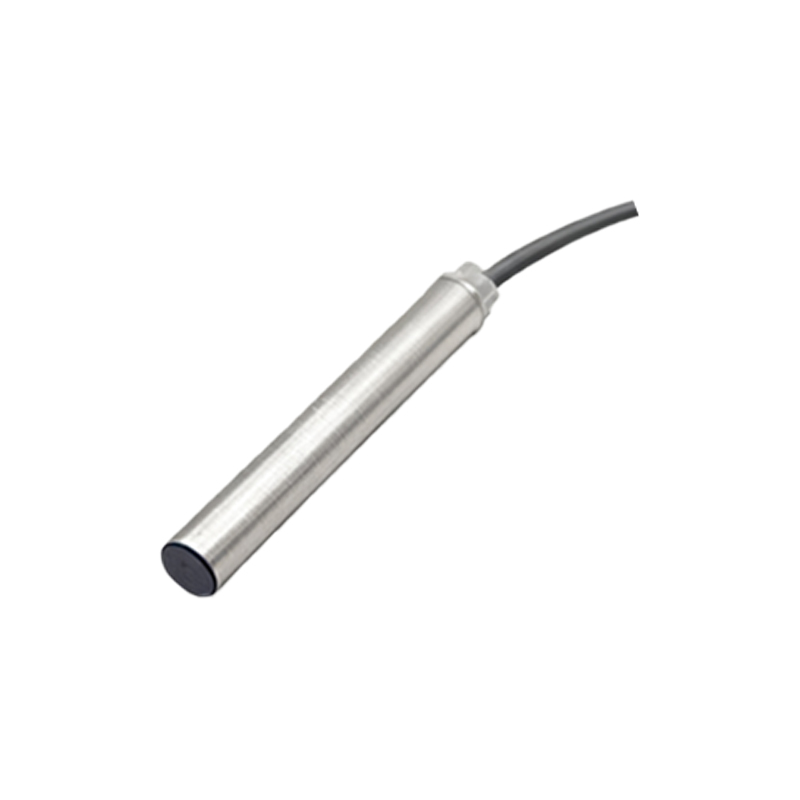
When selecting a photoelectric sensor for proximity switching, engineers must consider factors such as sensing distance, environmental conditions, and output requirements. For instance, in automotive assembly plants, sensors with long-range through-beam capabilities monitor vehicle positioning on assembly lines, while diffuse reflective types might be used for part presence verification in tight compartments. In food processing, stainless-steel housings and washdown-rated designs prevent contamination, with sensors detecting transparent packaging materials through specialized polarized lenses. Integration with PLCs (Programmable Logic Controllers) and industrial networks like IO-Link further enhances functionality, enabling real-time diagnostics and parameter adjustments without downtime.
Maintenance and calibration are straightforward, involving periodic lens cleaning to prevent false triggers from dust or debris buildup. Modern sensors often include LED indicators for status monitoring, simplifying troubleshooting. As Industry 4.0 advances, smart photoelectric sensors with embedded intelligence are gaining traction, offering predictive maintenance features and data analytics to optimize operational workflows.
In summary, photoelectric sensor proximity switches are vital tools in modern industrial automation, combining precision, durability, and adaptability. By understanding their working principles and application-specific nuances, engineers can leverage these devices to streamline processes, reduce mechanical wear, and improve overall system performance. Whether in manufacturing, logistics, or robotics, their role in enabling efficient, contactless detection continues to drive innovation and productivity gains globally.