In the demanding environment of industrial hydraulic presses, proximity switch sensors serve as the critical eyes of the control system. These non-contact sensors provide precise, reliable feedback on the position of the ram, ejector pins, tooling, and safety guards, forming the backbone of automated cycle control and safety interlocks. Unlike mechanical limit switches, proximity sensors have no moving parts to wear out, offering exceptional longevity and repeatability even in the presence of vibration, oil mist, and metallic particulate common in press shops.
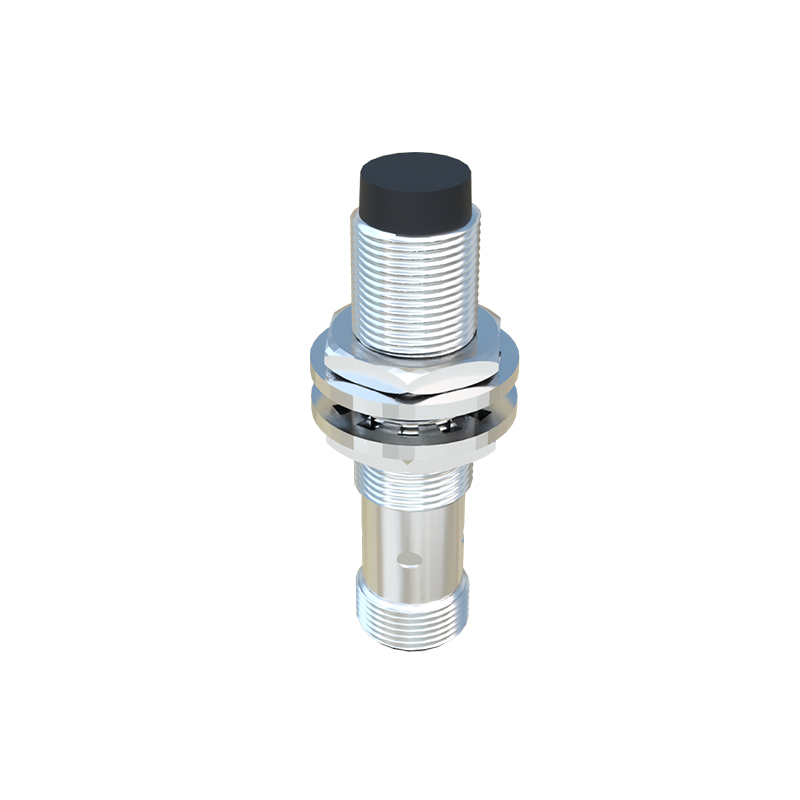
The core principle of operation involves generating an electromagnetic field. When a metallic target (typically the press ram or a flag on the moving platen) enters this field, it induces eddy currents, causing a change in the sensor's oscillation amplitude. This change is detected by the internal circuitry, which then switches the output state. For hydraulic press applications, the choice of sensor type is paramount. Inductive proximity sensors are the standard for detecting all metals, making them ideal for general position sensing of steel components. Within this category, factors such as sensing distance, housing material (often nickel-plated brass or stainless steel for durability), and electrical output (PNP/NPN, NO/NC) must be carefully matched to the specific control logic.
Mounting and environmental considerations are rigorous. Sensors must be positioned to avoid physical damage from misalignment or tooling changeover. Shielded (flush-mountable) sensor designs are often preferred as they can be installed flush with metal mounting brackets without affecting their sensing range, reducing the risk of impact. Protection against hydraulic fluid ingress is critical; a rating of IP67 is typically a minimum, with IP69K required for high-pressure wash-down environments. Electrical noise from variable-frequency drives (VFDs) powering pump motors can cause erratic switching, necessitating the use of sensors with robust noise immunity and proper shielding of cabling.
Integration into the press's Programmable Logic Controller (PLC) system is the final step. The sensor's discrete signal informs the PLC of a machine state—for example, "ram at top dead center" or "safety gate closed." This allows the PLC to sequence the next action, such as initiating the downstroke or enabling main ram pressure. Redundant sensing, using two sensors in a series or parallel safety circuit, is a common practice for critical safety functions like two-hand control or presence sensing to prevent dangerous machine motion.
Common failure modes include sensor damage from mechanical overload, coating buildup (oil, grease, or metal shavings) on the sensing face reducing effective range, and degraded cable connections from constant flexing. Troubleshooting begins with verifying the target material, size, and approach speed meet the sensor's specifications. A simple diagnostic involves observing the sensor's indicator LED (if equipped) while bringing the target into position. If the LED toggles but the PLC does not register the input, the fault lies in the wiring or PLC input module. If the LED fails to activate, the sensor itself or its power supply is likely faulty.
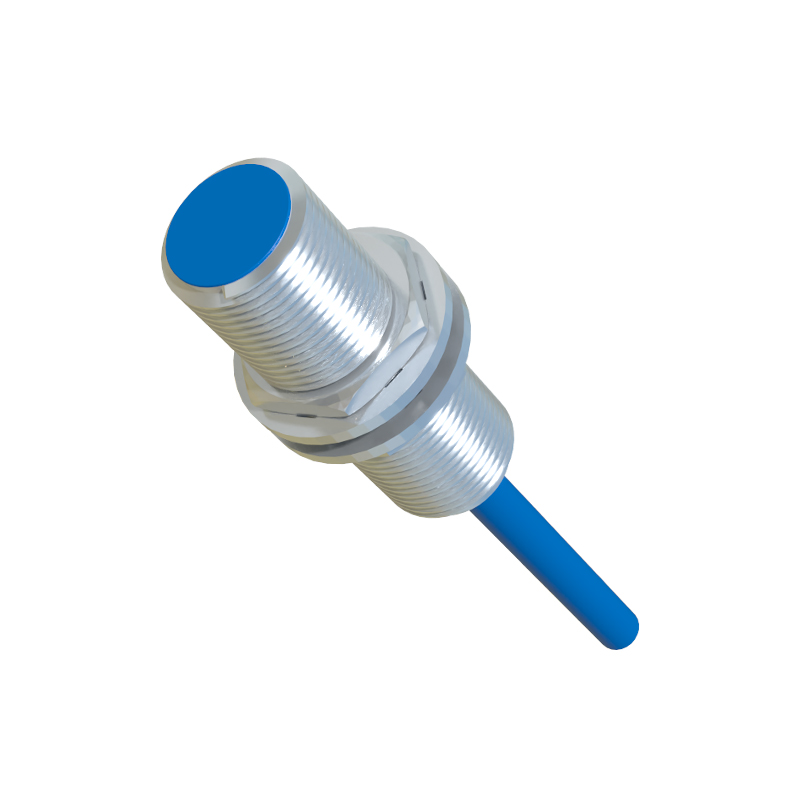
The evolution towards Industry 4.0 brings smart sensors with IO-Link capability into focus. These devices not only provide a switched signal but also transmit diagnostic data—such as operating temperature, switch cycle count, and signal strength—to the control system. This enables predictive maintenance, allowing maintenance teams to replace a sensor nearing its end-of-life during a planned stoppage rather than reacting to an unplanned downtime event. This data integration significantly enhances overall equipment effectiveness (OEE) for high-volume stamping and molding presses.
In summary, the correct selection, rugged installation, and systematic maintenance of proximity switches are non-negotiable for ensuring the safety, precision, and productivity of modern hydraulic presses. They are a small component with an outsized impact on operational reliability. By understanding their technology and application nuances, engineers and maintenance personnel can optimize press performance and minimize costly interruptions in production.