In the realm of industrial automation, diffuse proximity sensors are indispensable components, widely utilized for object detection, positioning, and counting tasks without physical contact. Their pricing is a critical consideration for engineers and procurement specialists, influenced by a complex interplay of technical specifications, market dynamics, and application requirements. Unlike simple commodity items, the cost of these sensors reflects their performance, durability, and integration capabilities.
The core technology behind diffuse proximity sensors involves emitting a light beam—typically infrared or visible red—and detecting the reflection from a target object. This principle seems straightforward, but the implementation nuances significantly impact price. Key factors include sensing range, response time, housing material, and environmental robustness. For instance, sensors with extended ranges (e.g., up to 2 meters) or ultra-fast response times (microseconds) command higher prices due to advanced optics and electronics. Similarly, units housed in stainless steel or with high IP ratings (like IP67 or IP69K) for harsh conditions—resisting dust, water, or chemical exposure—are more costly than standard plastic-housed variants.
Another major cost driver is the inclusion of smart features. Modern diffuse sensors often integrate IO-Link communication, programmable logic, or diagnostic capabilities, enabling predictive maintenance and seamless data exchange within Industry 4.0 frameworks. These functionalities add value but also increase manufacturing expenses, pushing prices upward. Additionally, brand reputation plays a role; established manufacturers with proven reliability and global support networks typically price their products at a premium compared to generic alternatives. However, this can translate to lower total cost of ownership through reduced downtime and longer service life.
Market supply chains also affect pricing. Fluctuations in raw material costs, such as semiconductors and metals, directly influence sensor prices. Geopolitical factors and logistics challenges can lead to shortages or delays, prompting price adjustments. For bulk purchases in OEM applications, volume discounts are common, but custom configurations—like special cable lengths or connectors—may incur extra charges.
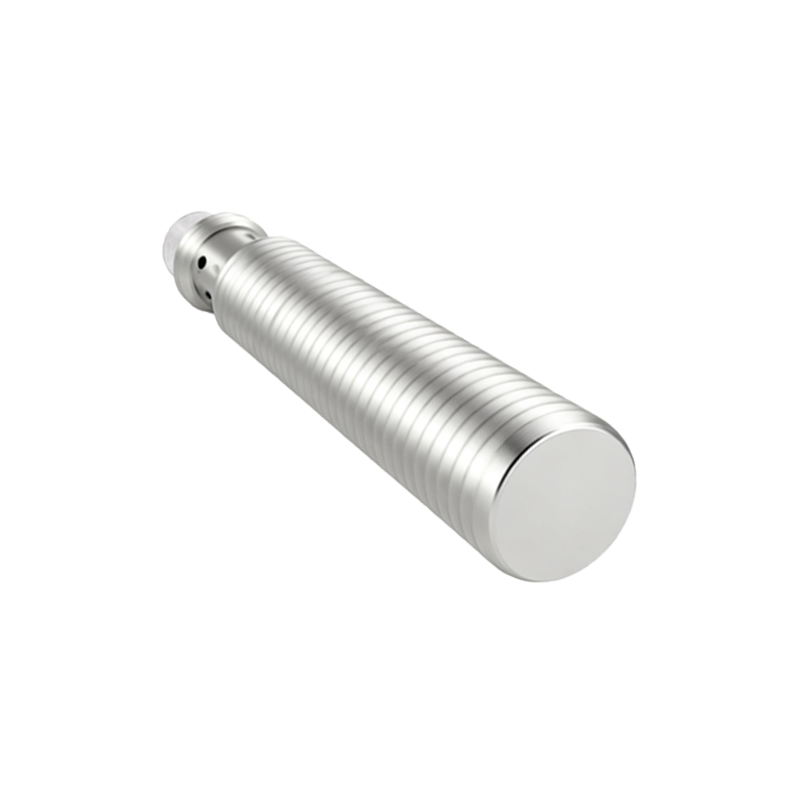
When evaluating costs, engineers must balance initial investment against long-term performance. A cheaper sensor might save upfront but fail prematurely in demanding environments, leading to higher replacement and maintenance costs. Therefore, it's advisable to assess the specific application: consider factors like target material (color, reflectivity), ambient light interference, temperature extremes, and required accuracy. Consulting with suppliers for tailored solutions can optimize budget allocation without compromising efficiency.
In summary, the price of diffuse proximity sensors is not merely a number but a reflection of technological sophistication, durability, and adaptability. By understanding the underlying factors—from technical specs to market trends—professionals can make informed decisions that enhance operational reliability and cost-effectiveness in automated systems. Investing in the right sensor ultimately pays dividends in productivity and system integrity.