In the rapidly evolving landscape of industrial automation and smart manufacturing, proximity sensors have become indispensable components. These non-contact devices, capable of detecting the presence or absence of objects, are the silent workhorses behind countless automated processes. For brands and OEMs (Original Equipment Manufacturers) looking to bring reliable, high-performance proximity sensors to market without the colossal capital expenditure of building a factory, partnering with a specialized proximity sensor OEM manufacturing plant is the strategic path forward. This guide delves into the critical considerations, processes, and benefits of such a partnership, tailored for the discerning electrical engineering professional.
The core value proposition of an OEM factory lies in its dedicated infrastructure and expertise. A proficient proximity sensor manufacturer possesses advanced SMT (Surface Mount Technology) lines, precision molding equipment for sensor housings, calibrated testing chambers for environmental simulation, and fully equipped R&D labs. They manage the entire supply chain, from sourcing high-grade ferrite cores, oscillation ICs, and amplifier circuits to the final assembly and sealing processes that ensure IP67 or higher ingress protection ratings. This vertical integration allows for stringent quality control at every stage—something a brand would struggle to replicate cost-effectively on its own.
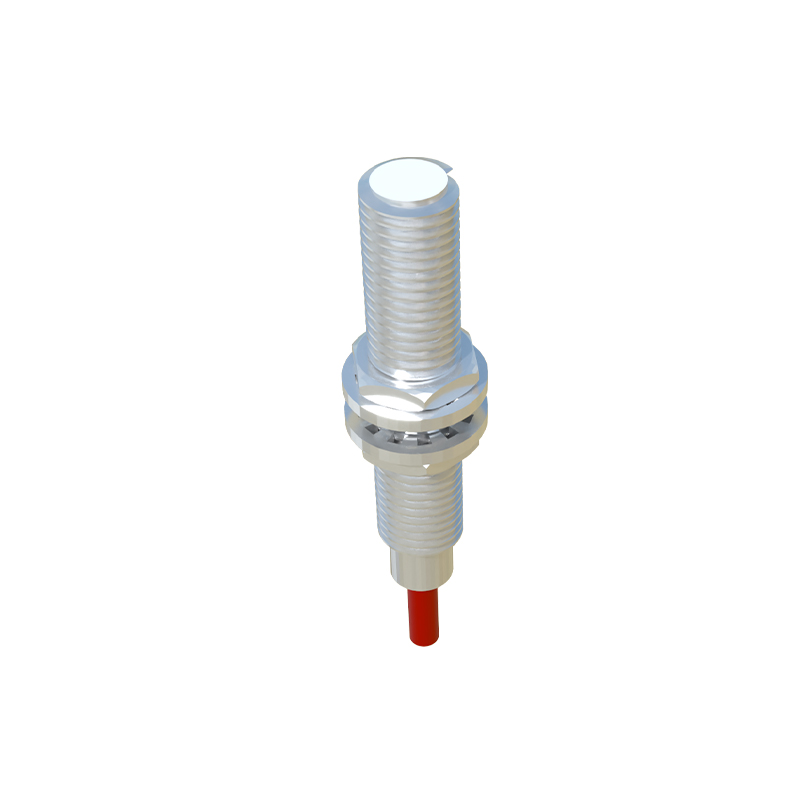
Selecting the right manufacturing partner requires a technical audit beyond mere cost per unit. First, evaluate their core competency in sensor technology. Do they specialize in inductive, capacitive, or ultrasonic proximity sensors? Inductive sensors, for detecting metals, are common, but a factory with strong capacitive sensor capabilities can handle detection of non-metals like liquids or plastics, indicating broader expertise. Scrutinize their design support services. Can they assist in optimizing your sensor design for specific applications—be it for weld-field immunity in automotive robotics, high-speed counting in packaging, or extreme temperature stability in food processing? A partner with a strong application engineering team is invaluable.
Manufacturing processes and quality assurance protocols are paramount. Inquire about their approach to key manufacturing steps: the winding of detection coils, which directly affects sensitivity and range; the potting process that protects internal electronics from shock, vibration, and moisture; and the laser marking for durable identification. Their quality management system should be certified (e.g., ISO 9001, IATF 16949 for automotive), with clear documentation for traceability. Demand details on their testing regimen: 100% testing for basic parameters (switching point, hysteresis), batch-based lifecycle testing, and EMC (Electromagnetic Compatibility) testing to meet CE, UL, or other regional standards. A factory that offers reliability testing, such as HALT (Highly Accelerated Life Testing), demonstrates a commitment to product longevity.
The partnership model typically follows a clear workflow. It begins with a technical consultation and NDA (Non-Disclosure Agreement). The OEM factory then develops prototypes based on your specifications, which undergo rigorous validation. Upon approval, they move to pilot production, followed by full-scale manufacturing, logistics, and after-sales support. Effective communication is the linchpin. Ensure your partner has project managers and engineers fluent in technical English (or your required language) to avoid costly misunderstandings regarding specifications, change orders, or delivery schedules.
Beyond production, the strategic advantages are significant. It drastically reduces time-to-market, allowing you to leverage the factory's existing tooling and certified processes. It converts fixed capital costs into variable costs, improving financial agility. Most importantly, it lets your brand focus on its core competencies—market research, sales, distribution, and application development—while relying on the manufacturing partner's specialized "hardware" expertise. In today's competitive environment, this collaborative model is not just an option; it's a strategic imperative for innovation and scalability in the sensor-driven world of Industry 4.0.