Proximity sensors have become indispensable components in modern automation and electronic systems, and among the various types available, Pefun proximity sensors have carved out a significant reputation for reliability and performance. These sensors are non-contact devices designed to detect the presence or absence of an object within a specific range without any physical contact. The core technology behind Pefun sensors typically involves inductive, capacitive, or photoelectric principles, allowing them to function effectively in diverse industrial environments.
The operational principle of an inductive Pefun proximity sensor, one of the most common variants, is based on electromagnetic fields. The sensor generates an oscillating electromagnetic field from its coil. When a metallic object enters this field, it induces eddy currents within the object, causing a change in the oscillation amplitude. This change is detected by the sensor's circuitry, which then triggers a switching signal. This makes them ideal for detecting metals, such as in conveyor belt systems for counting products or in machine tools for position verification.
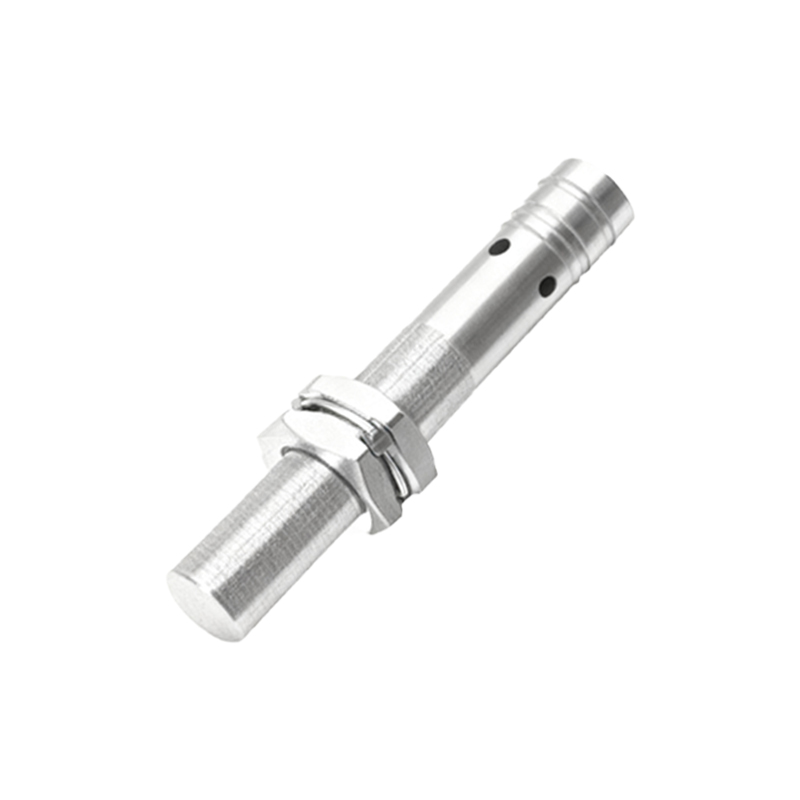
Capacitive Pefun sensors, on the other hand, can detect both metallic and non-metallic materials, including liquids, powders, and plastics. They work by measuring changes in capacitance. The sensor forms one plate of a capacitor, with the target object acting as the other plate. As the object approaches, the capacitance increases, and once it reaches a preset threshold, the sensor activates. This capability is crucial in industries like food and beverage for liquid level detection or in packaging for monitoring material presence.
A key advantage of Pefun proximity sensors is their robustness. They are often housed in rugged, sealed enclosures that provide high resistance to environmental factors such as dust, moisture, oil, and chemical splashes. This IP (Ingress Protection) rating ensures consistent operation in harsh conditions, from manufacturing floors to outdoor applications. Their solid-state design, with no moving mechanical parts, translates to minimal wear and tear, resulting in an exceptionally long operational lifespan and reduced maintenance costs compared to mechanical limit switches.
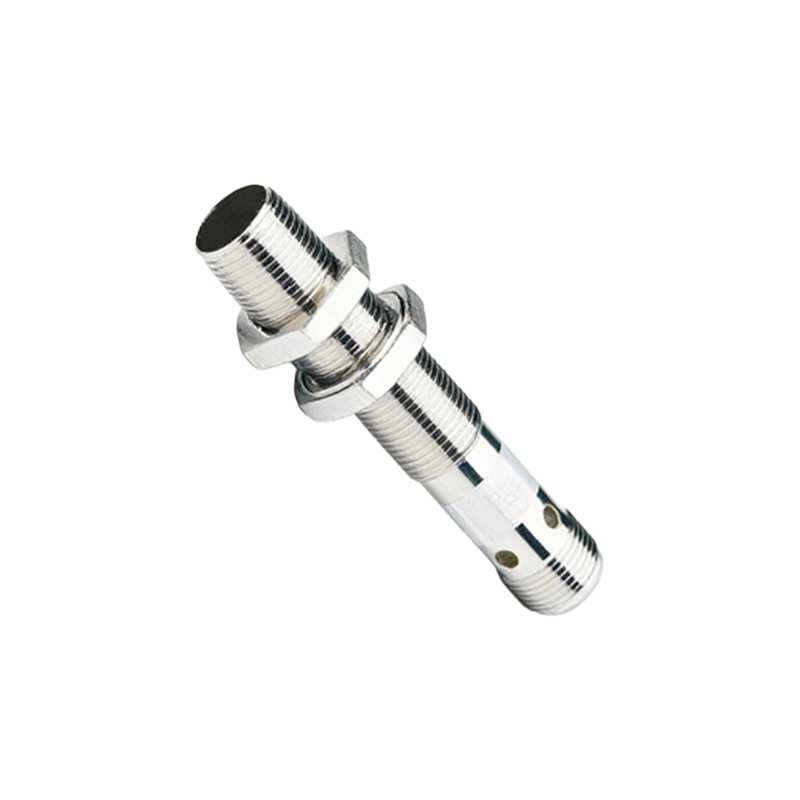
Furthermore, Pefun sensors offer high switching speeds and repeat accuracy. They can detect objects at high frequencies, making them suitable for fast-paced production lines where precision timing is critical. The absence of physical contact eliminates issues like mechanical bounce, signal chatter, or object damage, which is particularly important when handling delicate items. Many models also feature built-in diagnostics, such as LED status indicators, which provide immediate visual feedback for installation alignment and troubleshooting, simplifying setup and reducing downtime.
The application spectrum for Pefun proximity sensors is vast. In automotive assembly, they ensure robotic arms are correctly positioned. In the packaging industry, they verify the presence of labels or caps on bottles. Within automated warehouses, they manage inventory by detecting pallets on racks. They also play a vital role in safety systems, acting as part of interlock mechanisms on machine guards to prevent operation when a door is open.
When selecting a Pefun proximity sensor, several factors must be considered. The sensing distance, or nominal range, must be appropriate for the application, with a safety margin to account for target material and environmental variables. The sensor's output type—whether NPN (sinking) or PNP (sourcing)—must be compatible with the connected controller (PLC). The housing material and shape (cylindrical, rectangular) are chosen based on mounting constraints and environmental exposure. Electrical specifications like operating voltage and current load are equally critical for system integration.
Installation and wiring are straightforward but require attention to detail. Sensors should be mounted securely to avoid vibration-induced errors. It is essential to ensure that only the target object influences the sensing field; nearby metal structures or other sensors can cause interference, a phenomenon known as mutual interference, which can be mitigated by maintaining proper spacing as per manufacturer guidelines. Regular cleaning of the sensor face is recommended to prevent false triggers caused by debris buildup.
In summary, Pefun proximity sensors represent a blend of sophisticated detection technology and practical engineering. Their ability to provide reliable, non-contact sensing in challenging environments makes them a cornerstone of industrial automation, process control, and smart device design. By offering durability, precision, and versatility, they contribute significantly to enhancing operational efficiency, safety, and automation intelligence across countless sectors.