In the rapidly evolving automotive industry, the demand for high-precision, reliable, and durable sensors has never been greater. These sensors, critical for systems ranging from engine management and emissions control to advanced driver-assistance systems (ADAS) and autonomous driving, must withstand harsh environmental conditions, including extreme temperatures, vibration, and exposure to contaminants. Traditional joining methods, such as resistance welding or soldering, often fall short in meeting these stringent requirements, particularly for miniaturized and sensitive components. This is where laser welding technology has emerged as a transformative solution, offering unparalleled advantages in the manufacturing of automotive sensors.
Laser welding is a non-contact, high-energy density fusion process that utilizes a focused laser beam to join materials. For automotive sensors, which frequently involve assemblies of dissimilar metals, delicate housings, and hermetic seals, the precision and control offered by laser systems are indispensable. The process parameters, including laser power, pulse duration, wavelength, and beam focus, can be meticulously calibrated. This allows for minimal heat input into the workpiece, a critical factor known as low heat-affected zone (HAZ). A small HAZ is paramount for sensor integrity, as it prevents thermal distortion, preserves the metallurgical properties of sensitive materials, and avoids damage to internal electronic elements. For instance, welding a stainless-steel housing to a copper terminal for a pressure sensor requires a process that can manage the vastly different thermal conductivities of the two metals without creating brittle intermetallic phases. Pulsed Nd:YAG and increasingly, fiber lasers, are adept at this task, creating strong, leak-tight joints with exceptional repeatability.
The applications within automotive sensor production are diverse. One prominent example is the welding of inertial measurement units (IMUs) and yaw rate sensors used in electronic stability control. These sensors contain micro-electromechanical systems (MEMS) chips that are extremely sensitive to stress and particulate contamination. Laser welding enables the creation of a hermetic, vacuum-tight seal around the sensor package in a single, rapid operation, protecting the delicate internals from moisture and debris for the lifetime of the vehicle. Similarly, oxygen (lambda) sensors and exhaust gas temperature sensors, which operate in the severe environment of the exhaust system, rely on laser-welded seams to ensure their housings remain intact under corrosive and high-thermal cycling conditions. The weld quality directly impacts sensor accuracy and longevity.
Furthermore, the trend towards sensor integration and miniaturization pushes the boundaries of conventional welding. Laser welding facilitates the assembly of complex, multi-part sensor housings with intricate geometries that would be impossible with other methods. The beam can be directed via robotic arms or through flexible fibers to weld in confined spaces, enabling 3D weld paths around sensor bodies. This capability is crucial for manufacturing compact radar, LiDAR, and camera modules for ADAS, where every millimeter of space is optimized. The non-contact nature also eliminates tool wear and minimizes mechanical stress on the components.
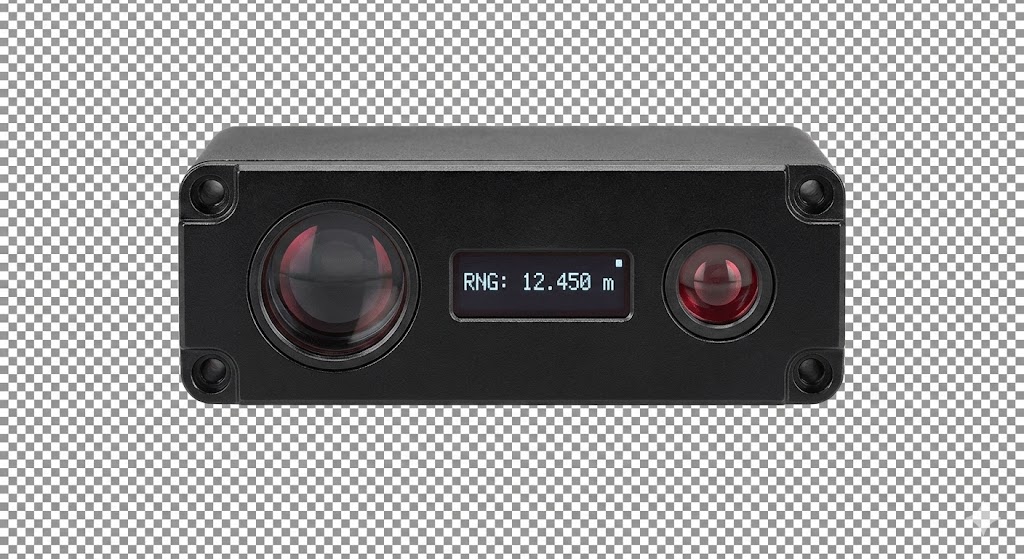
Quality assurance is another area where laser welding excels. The process is highly compatible with in-line monitoring systems. Real-time sensors can track parameters like melt pool geometry, plume emission, and back-reflected light, feeding data into machine learning algorithms to predict weld quality and detect defects such as porosity or cracks instantaneously. This level of process control is essential for automotive zero-defect manufacturing philosophies and helps meet rigorous industry standards like IATF 16949.
In conclusion, laser welding has become a cornerstone technology in advanced automotive sensor manufacturing. Its precision, flexibility, and ability to join dissimilar materials with minimal thermal impact address the core challenges of producing the next generation of smart, robust sensors. As vehicles become more electrified and autonomous, the role of sensors will only expand, and laser welding will continue to be at the forefront, enabling the reliability and performance that modern automotive systems demand. The ongoing development of laser sources, such as ultrafast lasers and beam shaping technologies, promises to further enhance capabilities, paving the way for even more innovative sensor designs and manufacturing efficiencies.
