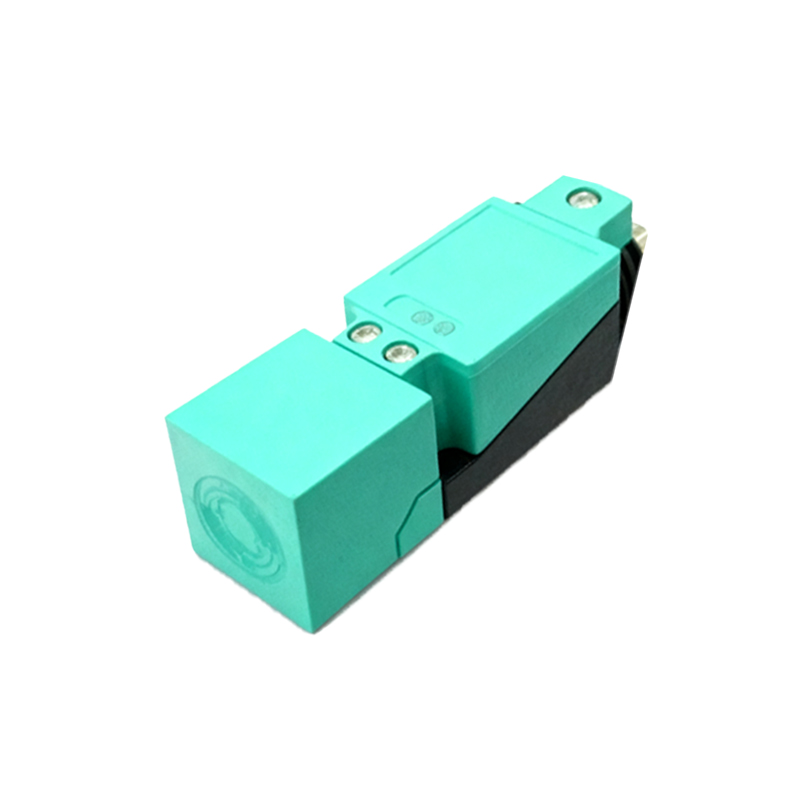
In the realm of industrial automation and control systems, the 380V proximity sensor stands as a critical component for ensuring reliable, non-contact detection of metallic objects in high-voltage environments. Operating on a three-phase 380V AC power supply, which is a global standard for heavy industrial machinery, these sensors are engineered to deliver robust performance under demanding conditions. Unlike their lower-voltage counterparts, 380V proximity sensors are specifically designed to interface directly with high-power control circuits, eliminating the need for intermediate relays in many applications, thereby simplifying system architecture and enhancing overall reliability.
The fundamental operating principle of a 380V inductive proximity sensor involves an oscillator circuit that generates a high-frequency electromagnetic field at its active face. When a ferrous or non-ferrous metallic target enters this field, eddy currents are induced within the target, causing a damping of the oscillator's amplitude. This change is detected by the sensor's threshold circuit, which subsequently switches the state of its output. The output, typically in the form of a solid-state switch (PNP or NPN for DC models, or a triac for AC models like many 380V versions), then sends a signal to the programmable logic controller (PLC) or other control device. The key advantage is the complete absence of physical contact, which eliminates mechanical wear, ensures a long operational life, and allows for extremely high switching frequencies.
Selecting the appropriate 380V proximity sensor requires careful consideration of several technical parameters. First, the sensing distance, or nominal range, must be chosen based on the application to ensure reliable detection without false triggers. Factors such as target material, size, and shape can affect the effective sensing distance. Secondly, the housing material is paramount; stainless steel or nickel-plated brass housings offer superior resistance to corrosive chemicals, coolants, and physical impacts commonly found in industrial settings like metalworking, automotive manufacturing, or material handling. The sensor's degree of protection, denoted by its IP (Ingress Protection) rating (e.g., IP67, IP69K), indicates its resilience against dust and water ingress, which is crucial for washdown environments in food and beverage or pharmaceutical industries.
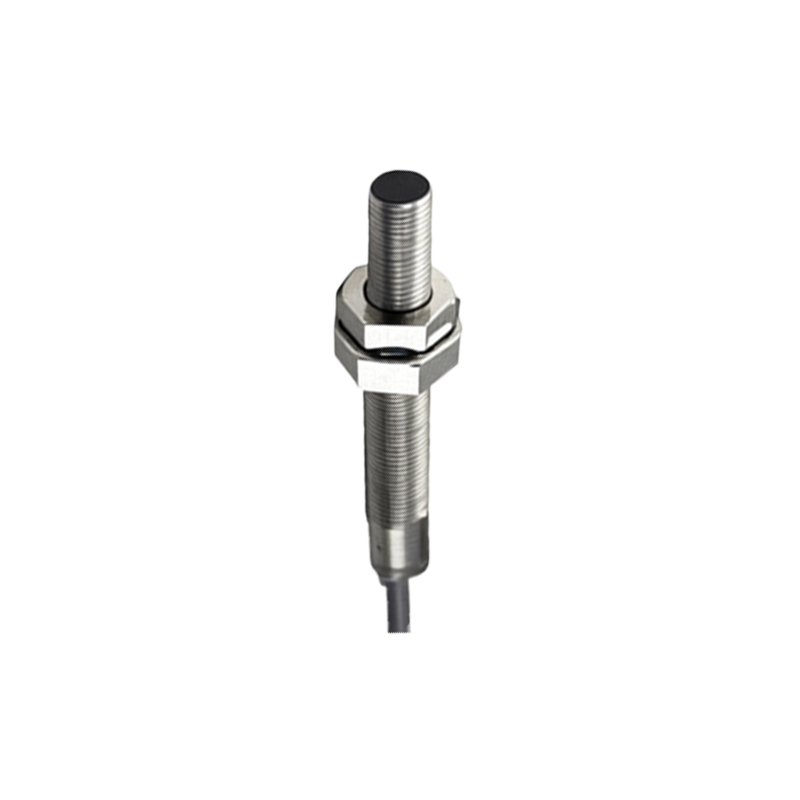
Electrical characteristics demand meticulous attention. While the supply voltage is nominally 380V AC, it is essential to verify the acceptable voltage range (e.g., 20-250V AC or a wider range for specific models) to account for line fluctuations. The output current rating must be compatible with the load, such as the coil of a high-power contactor or the input module of a PLC. Furthermore, considerations for wiring, including cable type, length, and the use of pre-wired connectors, directly impact installation time and signal integrity. Many modern 380V sensors incorporate advanced features like short-circuit protection, overload protection, and reverse polarity protection, which safeguard both the sensor and the control system from wiring errors or fault conditions.
Application areas for 380V proximity sensors are extensive and vital to modern manufacturing. They are indispensable for position sensing on large CNC machine tools, detecting the presence or absence of metal parts on high-speed conveyor systems, and ensuring precise sequencing in automated assembly lines. In heavy industries such as steel mills or shipbuilding, they monitor the movement of cranes, trolleys, and elevators. Their robust construction makes them suitable for harsh environments where vibration, temperature extremes, and electromagnetic interference are prevalent. A critical best practice is proper installation: ensuring adequate clearance around the sensor (to prevent interference from surrounding metal), correct alignment with the target, and secure mounting to mitigate vibration effects. Regular maintenance, though minimal, should include periodic checks for physical damage, accumulation of metallic debris on the sensing face, and verification of electrical connections.
In conclusion, the 380V proximity sensor is a cornerstone of industrial electrical engineering, enabling precise, wear-free automation in high-voltage power systems. Its selection and application require a deep understanding of electrical specifications, environmental challenges, and mechanical constraints. By adhering to engineering best practices for selection, installation, and maintenance, these sensors provide unparalleled reliability, contributing directly to increased productivity, enhanced safety, and reduced downtime in capital-intensive industrial operations. As Industry 4.0 advances, the integration of these sensors with industrial networks and predictive maintenance systems will further solidify their role as intelligent components within the connected factory ecosystem.