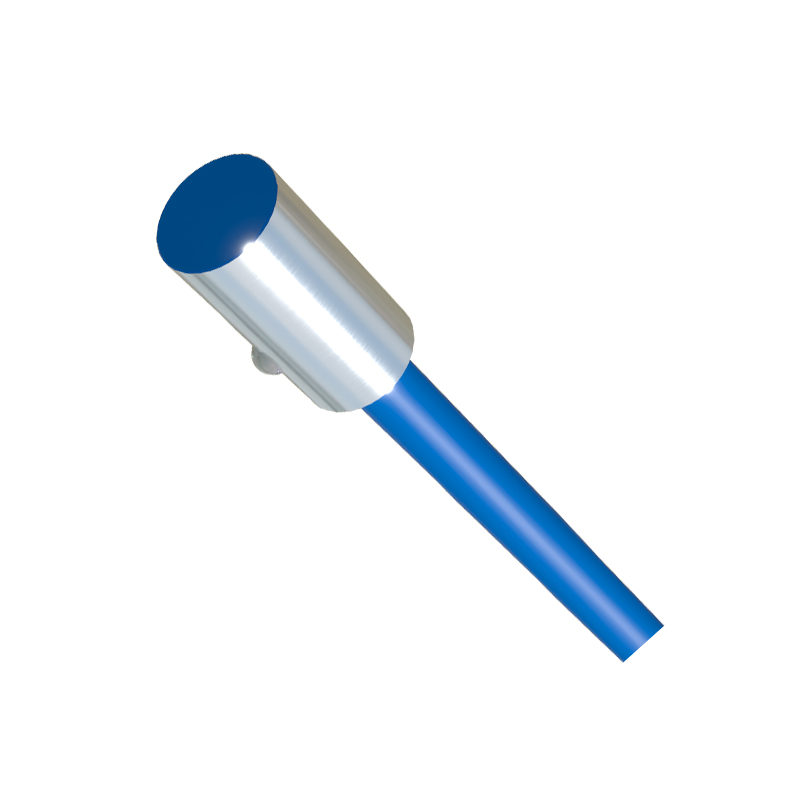
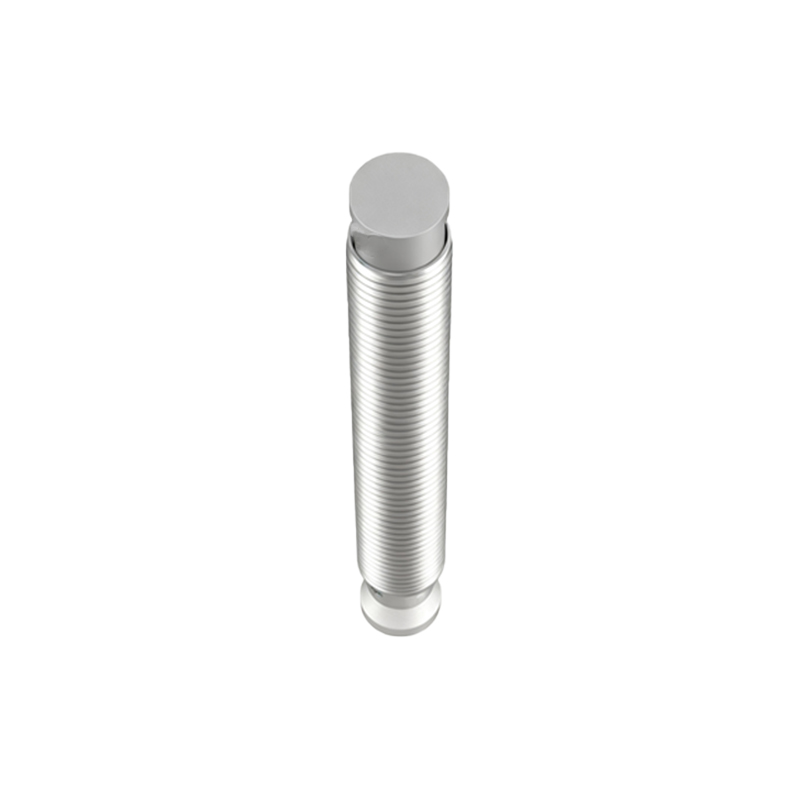
In the intricate world of industrial automation and electrical engineering, the reliable detection and measurement of physical phenomena are paramount. Among the myriad of sensing technologies, magnetic proximity sensors, particularly those designed for current detection, play a crucial and often understated role. These devices are fundamental components in modern control systems, ensuring safety, efficiency, and precision across countless applications.
At its core, a magnetic proximity sensor is a device that detects the presence or absence of a magnetic field or a ferromagnetic object without physical contact. When applied to current sensing, the principle leverages a fundamental law of electromagnetism: a current flowing through a conductor generates a proportional magnetic field around it. Sensors designed for this purpose, such as Hall-effect sensors or magnetoresistive sensors, are positioned to interact with this magnetic field. They convert the magnetic flux density into a measurable electrical signal, typically a voltage, which can then be interpreted to determine the magnitude of the current in the conductor. This non-invasive method is a significant advantage, as it allows for monitoring without breaking the circuit or introducing additional resistance.
The applications of current-sensing magnetic proximity sensors are vast and critical. In motor control systems, they are indispensable for overload protection and precise speed regulation. By continuously monitoring the current drawn by a motor, these sensors can trigger alarms or shutdown procedures if an overcurrent condition is detected, preventing costly damage from overheating or mechanical failure. In the realm of energy management and power distribution, they facilitate power monitoring, load profiling, and fault detection within switchgear and distribution panels. Renewable energy systems, such as solar inverters and wind turbine converters, rely heavily on accurate current sensors for maximum power point tracking and grid synchronization.
Furthermore, these sensors are integral to predictive maintenance strategies. By analyzing current signatures over time, anomalies that indicate bearing wear, misalignment, or insulation degradation in rotating equipment can be identified early. This proactive approach minimizes unplanned downtime and extends equipment lifespan. In automotive and electric vehicle technology, current sensors monitor battery charge/discharge cycles, traction motor performance, and onboard charging systems, contributing directly to vehicle safety, range optimization, and battery longevity.
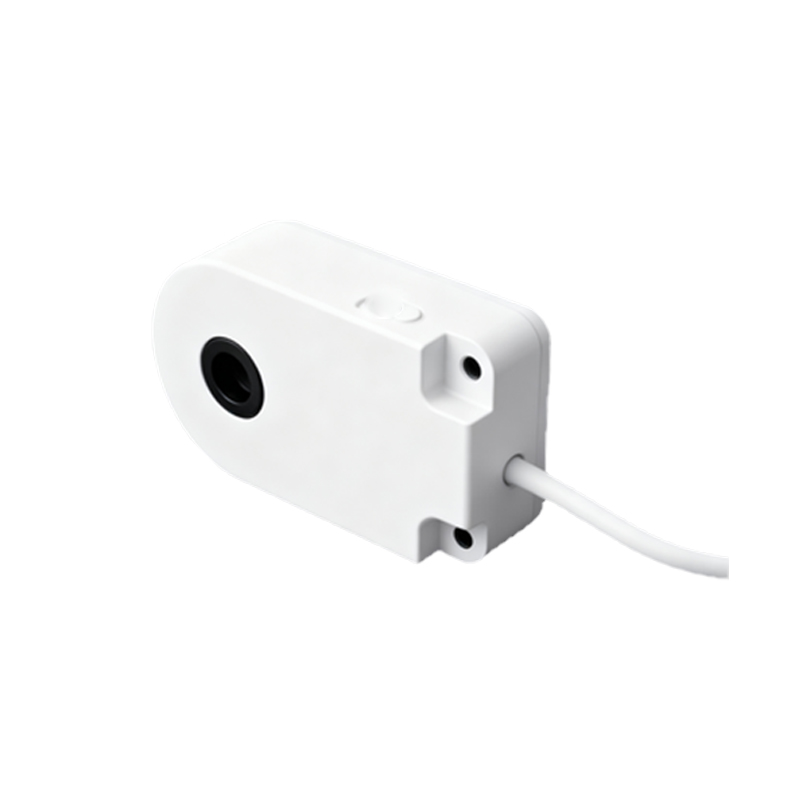
The selection of an appropriate magnetic proximity sensor for current detection depends on several key factors. The type of current (AC or DC) dictates the sensor technology; Hall-effect sensors are commonly used for DC and AC currents, while current transformers are traditional for AC-only applications. The required measurement range, accuracy, bandwidth (response time), and electrical isolation needs are critical specifications. Environmental conditions such as temperature extremes, humidity, and the presence of strong external magnetic fields or vibrations must also be considered to ensure long-term reliability. Modern sensors often come with integrated signal conditioning, providing standardized analog or digital outputs (e.g., 4-20 mA, 0-10 V, or via protocols like IO-Link) for seamless integration into Programmable Logic Controllers (PLCs) and supervisory systems.
The advantages of using magnetic proximity sensors for current sensing are compelling. Their non-contact nature ensures electrical isolation between the monitored circuit and the control system, enhancing safety for personnel and equipment. They introduce negligible interference to the primary circuit, maintaining system efficiency. Their robust solid-state design, with no moving parts, translates to high reliability, long service life, and minimal maintenance requirements. As industries advance towards Industry 4.0 and the Industrial Internet of Things (IIoT), the data provided by these intelligent sensors becomes a vital stream for analytics, enabling smarter, more autonomous, and more efficient operations.
In conclusion, magnetic proximity sensors for current detection are far more than simple switches. They are sophisticated transducers that bridge the gap between the powerful flow of electrical energy and the delicate world of digital control. By providing a safe, accurate, and reliable means of monitoring current, they form the sensory backbone of modern electrical protection, motor control, energy management, and predictive maintenance systems. Their continued evolution, with improvements in accuracy, miniaturization, and communication capabilities, will undoubtedly keep them at the forefront of innovation in electrical engineering and industrial automation for years to come.