In the realm of modern agriculture, wheat combine harvesters represent a pinnacle of mechanized efficiency, integrating complex systems to optimize grain harvesting. Among the critical components ensuring their seamless operation are proximity sensors. These electronic devices, often overlooked, play a vital role in monitoring and controlling various mechanical functions, directly impacting productivity, safety, and machine longevity. This article delves into the application, types, and benefits of proximity sensors specifically within wheat combine harvesters, adhering to industry standards and technical precision.
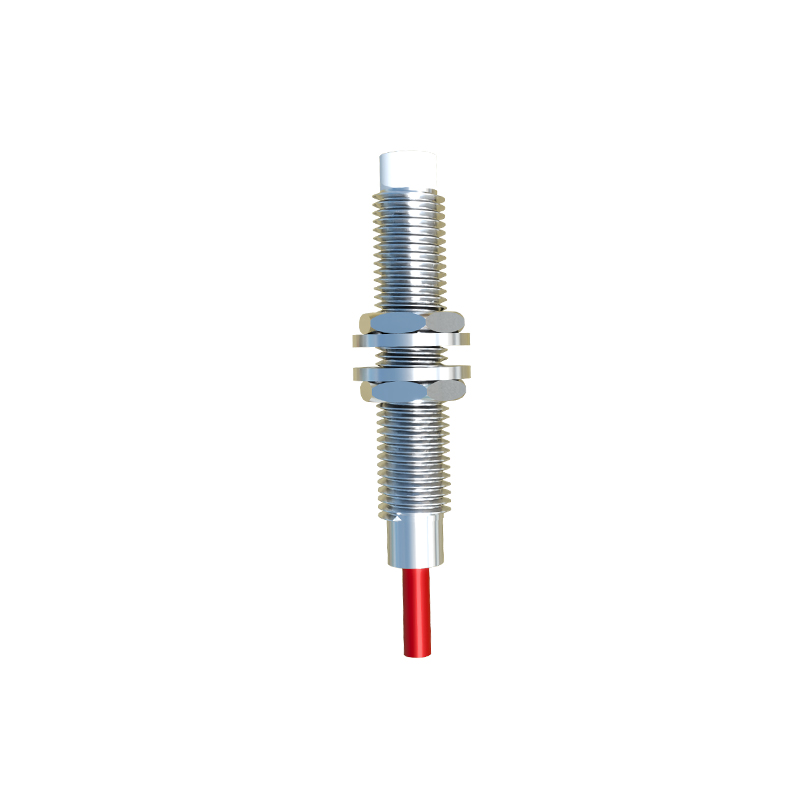
Proximity sensors are non-contact devices designed to detect the presence or absence of an object within a specific range without physical interaction. In a wheat combine harvester, they are strategically installed in key areas to provide real-time feedback to the central control system. Common applications include monitoring the rotational speed of the threshing drum, detecting the position of sieves and concaves, ensuring proper alignment of the reel and header, and overseeing grain tank levels. By continuously sensing metallic components or specific targets, these sensors help maintain optimal operational parameters, preventing mechanical failures such as jams or overloads that could lead to costly downtime during critical harvest periods.
Several types of proximity sensors are employed, each suited to particular environmental and functional demands. Inductive proximity sensors are predominantly used for detecting metallic parts, such as monitoring the drive chains or shaft rotations. They are valued for their durability and resistance to dust and moisture—common challenges in harvest conditions. Capacitive sensors, on the other hand, can detect non-metallic materials like grain or plastic components, making them ideal for level sensing in grain tanks or checking for blockages in augers. Ultrasonic sensors offer longer detection ranges and are utilized for measuring grain volume or monitoring the height of the cutting header relative to the ground, ensuring consistent cutting and reducing grain loss. Each sensor type is selected based on factors like detection distance, response time, and environmental robustness, ensuring reliable performance under varying field conditions.
The integration of proximity sensors significantly enhances harvester efficiency. By providing precise data, they enable automated adjustments. For instance, sensors on the threshing mechanism can adjust the drum speed and concave clearance based on crop density and moisture, optimizing threshing efficiency and minimizing grain damage. Similarly, header height sensors automatically maintain the ideal cutting position, adapting to terrain variations to maximize yield. This automation reduces the operator's workload, allowing for focused attention on navigation and overall machine management, thereby boosting harvesting speed and consistency.
Reliability and maintenance are paramount in agricultural machinery. Proximity sensors contribute to predictive maintenance strategies by detecting anomalies early. Vibration or misalignment in rotating components can be identified through irregular sensor signals, triggering alerts before a major breakdown occurs. This proactive approach minimizes unplanned repairs, extends component lifespan, and reduces operational costs. However, sensors must be robust to withstand harsh environments—exposure to dust, chaff, humidity, and mechanical vibrations. Manufacturers typically encase sensors in IP67 or higher-rated housings, ensuring protection against ingress and mechanical shock. Regular cleaning and calibration are recommended to maintain accuracy, as accumulated debris can interfere with detection capabilities.
From a technical perspective, the selection and installation of proximity sensors require careful consideration. Factors such as sensing range, output type (e.g., PNP/NPN), and supply voltage must match the harvester's electrical system. Wiring should be shielded to prevent electromagnetic interference from high-power machinery components. Additionally, sensor placement is critical to avoid false triggers from moving parts or environmental debris. Collaboration with OEMs or experienced technicians ensures optimal configuration, aligning with industry standards like ISO 11783 for agricultural machinery networks.
In conclusion, proximity sensors are indispensable in contemporary wheat combine harvesters, driving advancements in precision agriculture. They facilitate automation, enhance operational efficiency, and bolster reliability through continuous monitoring. As technology evolves, future iterations may incorporate IoT connectivity, enabling real-time data transmission for fleet management and advanced analytics. For engineers and operators, understanding these sensors' functionalities and maintenance needs is crucial to harnessing their full potential, ultimately contributing to sustainable and productive farming practices. By investing in high-quality sensor systems, agricultural enterprises can achieve higher yields, reduced waste, and improved return on investment, solidifying the role of technology in feeding a growing global population.