In the complex and demanding world of industrial automation, selecting the right proximity sensor is not merely a purchasing decision; it is a critical engineering choice that impacts machine reliability, production efficiency, and overall system safety. As a seasoned electrical engineer, I am often asked, "Which proximity sensor brand is the best?" The truth is, there is no single, universal answer. The "best" sensor is the one that most precisely meets the specific requirements of your application, environment, and budget. This guide will dissect the key factors and leading contenders to help you make an informed decision.
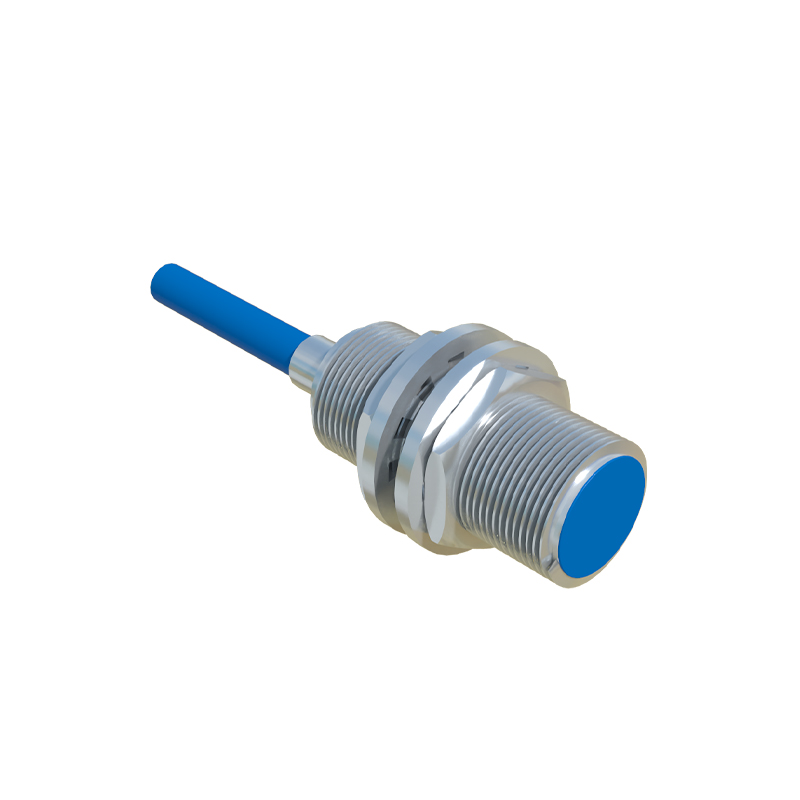
First, we must understand the core technologies. Inductive sensors detect metallic objects, capacitive sensors detect both metallic and non-metallic materials, and ultrasonic sensors measure distance to various objects. Photoelectric sensors use light beams. Your material type, required sensing distance, and environmental conditions (dust, moisture, washdown) will dictate the technology.
When evaluating "good" versus "great" sensors, performance metrics are paramount. Key specifications include:
Sensing Distance: Consider both the rated operating distance and a safety factor. Reputable brands provide reliable, stable sensing ranges with minimal drift over time and temperature fluctuations.
Repeat Accuracy: This is crucial for precision positioning. High-end sensors offer exceptional repeatability, often within micrometers.
Response Frequency/Switching Frequency: For high-speed applications like packaging or sorting, a fast sensor that can handle thousands of operations per second is essential.
Environmental Robustness: Look for high IP (Ingress Protection) and IK (Impact Protection) ratings. Resistance to chemicals, oils, extreme temperatures, and electromagnetic interference (EMI) separates premium sensors from basic ones.
Output Type and Connectivity: PNP/NPN, analog (4-20mA, 0-10V), IO-Link for smart sensor data, and specific network protocols (Profinet, EtherNet/IP) must align with your control system.
Now, let's examine some of the most respected global brands, each with its own strengths:
1. Sick AG: A German powerhouse, Sick is synonymous with innovation, precision, and robustness. Their sensor portfolio is vast and technologically advanced. They excel in challenging environments and offer sophisticated solutions for logistics, automotive, and food & beverage industries. Sick sensors are often the top choice for mission-critical applications where failure is not an option, though they command a premium price.
2. Pepperl+Fuchs: Another German leader, Pepperl+Fuchs is a cornerstone in intrinsic safety and hazardous area applications. They offer an incredibly comprehensive range of inductive, capacitive, ultrasonic, and photoelectric sensors. Their build quality is outstanding, and they provide exceptional technical support and documentation. They are a go-to for chemical, pharmaceutical, and oil & gas sectors.
3. Omron: A Japanese multinational, Omron is renowned for reliability, consistency, and value. They produce a massive volume of sensors with excellent performance across a wide spectrum of industrial uses. Omron sensors are known for their durability and ease of use. They are a very strong contender for general factory automation, packaging, and assembly lines, offering a great balance of features and cost.
4. Balluff: A German specialist in sensor technology and industrial identification, Balluff focuses on high-quality, innovative solutions. They are particularly strong in RFID systems and smart sensors with IO-Link functionality. Balluff products are designed for integration into Industry 4.0 and smart factory concepts, providing not just switching signals but valuable diagnostic and process data.
5. IFM Electronic: IFM is celebrated for its user-friendly design, diagnostic capabilities (like patented "OK" LED indicators), and robust construction. They have a very strong presence in mobile hydraulics and general machinery. IFM sensors often simplify installation and troubleshooting, reducing downtime—a significant value proposition for maintenance teams.
Selection Methodology:
Do not start with the brand. Start with your application's detailed specification sheet. List all requirements: target material, distance, speed, environmental stressors, electrical interface, mounting constraints, and lifecycle cost expectations. Then, cross-reference with technical datasheets from these manufacturers. Request samples for real-world testing under actual operating conditions whenever possible.
For standard, high-volume applications, Omron or IFM might offer the optimal cost-performance ratio. For harsh, explosive, or ultra-high-precision environments, Sick or Pepperl+Fuchs are frequently the benchmarks. For data-rich, networked automation systems, Balluff's smart sensor solutions are compelling.
Ultimately, the best proximity sensor brand is the one whose product becomes an invisible, reliable component of your system—performing flawlessly for years without demanding attention. Invest time in the specification and evaluation process. Partner with distributors who provide strong technical support. By prioritizing application-specific performance over brand name alone,