Proximity sensors are integral components in modern smartphones, enabling key functionalities that enhance user experience and device efficiency. These sensors detect the presence of nearby objects without physical contact, primarily to manage screen behavior during calls and conserve battery life. Understanding their operation requires delving into the underlying technology, typically based on infrared (IR) light or time-of-flight (ToF) principles.
Most smartphones employ an IR-based proximity sensor, which consists of an IR LED emitter and an IR photodiode receiver. When a user initiates a phone call and brings the device close to their ear, the IR LED emits an infrared light beam. This beam reflects off the user's face or any nearby object and returns to the photodiode. The sensor measures the intensity of the reflected IR light; a significant reflection indicates an object is close, triggering the system to turn off the display. This prevents accidental touch inputs, such as muting the call or activating apps, while also reducing power consumption by disabling the screen backlight.
The detection process relies on the absorption and reflection properties of materials. Human skin, for instance, reflects IR light effectively, allowing the sensor to operate reliably. However, factors like hair, hats, or dark surfaces may absorb IR radiation, potentially affecting accuracy. To mitigate this, sensors incorporate calibration algorithms that adjust sensitivity based on environmental conditions. Advanced models use ToF sensors, which calculate distance by measuring the time taken for an emitted light pulse to bounce back. This method offers higher precision and can support features like gesture recognition or augmented reality applications.
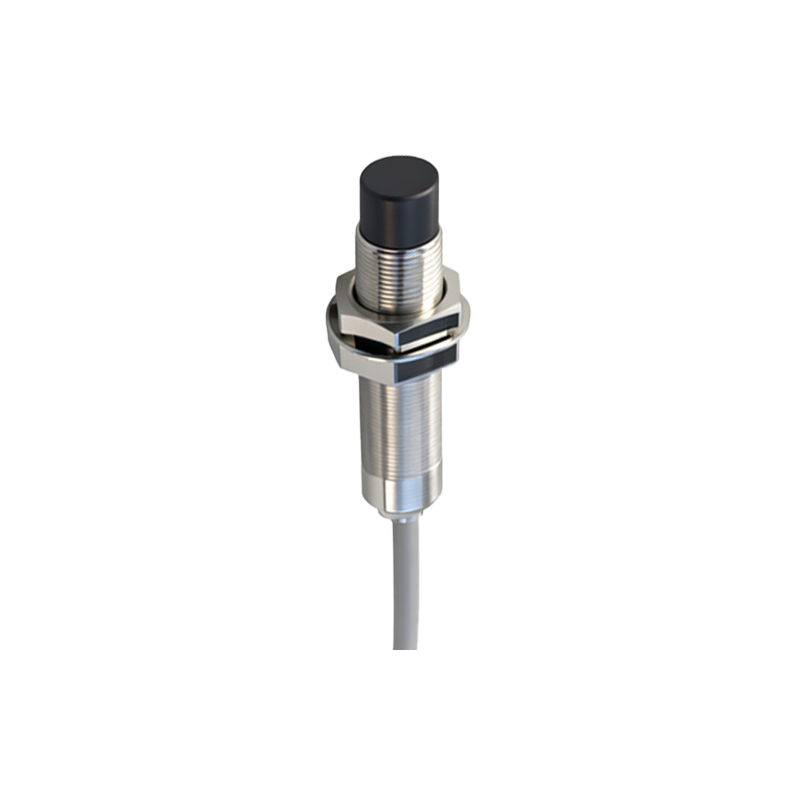
In terms of hardware integration, proximity sensors are typically mounted near the earpiece or front camera module. They operate in conjunction with other sensors, such as ambient light sensors, to optimize display brightness and power management. For example, in low-light environments, the system might dim the screen further when proximity is detected, extending battery life. The sensor's response time is critical—usually within milliseconds—to ensure seamless user interaction. Manufacturers also implement software safeguards, like proximity sensor diagnostics in device settings, to troubleshoot issues such as screen failing to turn on after calls.
From an engineering perspective, designing these sensors involves challenges like minimizing crosstalk from other components and ensuring consistent performance across varying temperatures and humidity levels. IR sensors must also comply with safety standards to prevent eye damage from prolonged exposure, though the power levels used in smartphones are generally low-risk. Recent trends include integrating proximity sensing with 3D facial recognition systems, where sensors map spatial contours for security unlocks.
Beyond call management, proximity sensors enable innovative functionalities. Some devices use them to activate "always-on display" modes when a user approaches, or to trigger notifications without touching the screen. In accessibility features, they can assist users with disabilities by detecting hand gestures for navigation. As smartphones evolve toward bezel-less designs, under-display proximity sensors are emerging, using optimized wavelengths to penetrate OLED panels without interference.
In summary, proximity sensors exemplify how simple electromechanical principles translate into practical smartphone enhancements. By leveraging IR or ToF technology, they provide a non-contact means of object detection that improves usability and energy efficiency. Future developments may see these sensors becoming more multifunctional, supporting immersive interactions in next-generation mobile devices.