In the rapidly evolving landscape of industrial automation, one component has consistently risen to the forefront as a best-seller: the proximity sensor. This surge in popularity is not a fleeting trend but a robust response to fundamental shifts in manufacturing, safety protocols, and technological integration. Understanding the reasons behind this demand requires a deep dive into the sensor's core functionalities, its adaptability, and the pressing needs of modern industry.
At its essence, a proximity sensor is a non-contact device designed to detect the presence or absence of an object within its sensing range without any physical contact. This fundamental characteristic is the primary driver of its success. By eliminating mechanical contact, these sensors drastically reduce wear and tear, leading to unprecedented longevity and reliability. In environments where machinery operates 24/7, minimizing downtime for maintenance is a critical cost-saving factor. The absence of physical interaction also means there is no risk of damaging the target object, making these sensors ideal for delicate assembly processes or handling expensive materials.
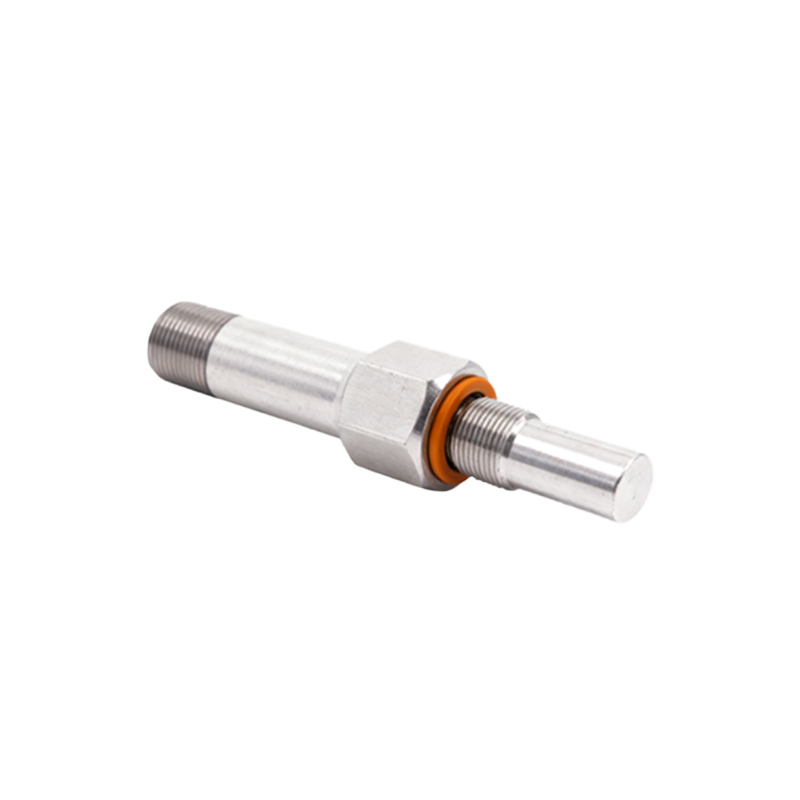
The proliferation of Industry 4.0 and the Industrial Internet of Things (IIoT) has created an insatiable appetite for data. Modern manufacturing is no longer just about moving parts; it's about generating actionable intelligence at every stage. Proximity sensors are pivotal data points in this ecosystem. They provide real-time, binary feedback—object present or absent—which is the foundational language for automated control systems. This data feeds into Programmable Logic Controllers (PLCs) and supervisory systems, enabling precise control over robotic arms, conveyor belt sequencing, part counting, and machine cycle initiation. Their role in enabling predictive maintenance is also growing; by monitoring the consistent operation of components, they can signal potential failures before they cause a line stoppage.
Another compelling reason for their best-seller status is their remarkable versatility and specialization. The market offers a wide array of proximity sensors tailored to diverse challenges. Inductive sensors excel in detecting metallic objects and are the workhorses in metalworking and automotive plants. Capacitive sensors can detect a broader range of materials, including liquids, powders, and plastics, making them indispensable in food processing, packaging, and chemical industries. Ultrasonic sensors use sound waves to measure distance and detect objects, even in challenging environments with dust or vapor. This ability to select a sensor perfectly matched to the application—be it material type, sensing distance, environmental resistance (to oils, coolants, or extreme temperatures), or output type (PNP/NPN, analog, IO-Link)—ensures a solution exists for nearly every industrial puzzle.
Safety is a non-negotiable priority, and here, proximity sensors play a crucial, often legally mandated, role. They are integral to building safety light curtains, area guarding systems, and interlock switches on machine guards. By ensuring a machine cannot operate unless a safety gate is securely closed or a human is outside a hazardous zone, these sensors directly protect personnel. This safety function, often realized through robust, fail-safe designs, is a significant driver in regulated industries, making them not just a convenience but a compliance necessity.
Finally, the economic argument is undeniable. While the initial unit cost is a factor, the total cost of ownership for a high-quality proximity sensor is exceptionally low. Their solid-state design, lack of moving parts, and long operational life mean they rarely need replacement. When combined with their contribution to increased production efficiency, reduced waste from errors, and enhanced safety (which avoids costly accidents and litigation), the return on investment is clear and compelling. Manufacturers see them not as an expense but as a strategic asset that boosts overall equipment effectiveness (OEE).
In conclusion, the status of proximity sensors as a best-seller is a direct reflection of their ability to solve core industrial challenges. They deliver unmatched reliability through non-contact operation, serve as critical data nodes for smart factories, offer tailored solutions for diverse applications, enforce vital safety standards, and provide outstanding long-term value. As automation continues to deepen and expand, the humble proximity sensor will undoubtedly remain a fundamental and highly sought-after component on the factory floor.