In the realm of industrial automation and control systems, proximity switch sensors stand as fundamental components for non-contact detection. Among the various specifications, the 100mm sensing range represents a versatile and widely adopted option, balancing performance with practical application needs. This article delves into the technical aspects, working principles, selection criteria, and common applications of proximity switch sensors featuring this specific range.
A proximity switch sensor with a 100mm detection distance is designed to sense the presence or absence of a target object without any physical contact. This capability is crucial in environments where mechanical wear, contamination, or high-speed operations are concerns. The core technology behind these sensors typically falls into three categories: inductive, capacitive, and ultrasonic. Inductive sensors are predominantly used for detecting metallic objects, leveraging electromagnetic fields. A 100mm inductive sensor generates an oscillating electromagnetic field. When a conductive metal target enters this field within the 100mm range, it induces eddy currents in the target, causing a change in the sensor's oscillation amplitude. This change is detected by the internal circuitry, which subsequently triggers a solid-state switch to change its output state. Capacitive sensors, on the other hand, can detect both metallic and non-metallic materials (such as plastics, liquids, or wood) by sensing changes in capacitance caused by the target object disturbing the electrostatic field. A 100mm capacitive sensor offers a broader material detection capability but may require more careful tuning to avoid false triggers from environmental factors like humidity. Ultrasonic sensors use sound waves to measure distance to an object, making the 100mm range highly precise for various materials, though they can be influenced by temperature and air turbulence.
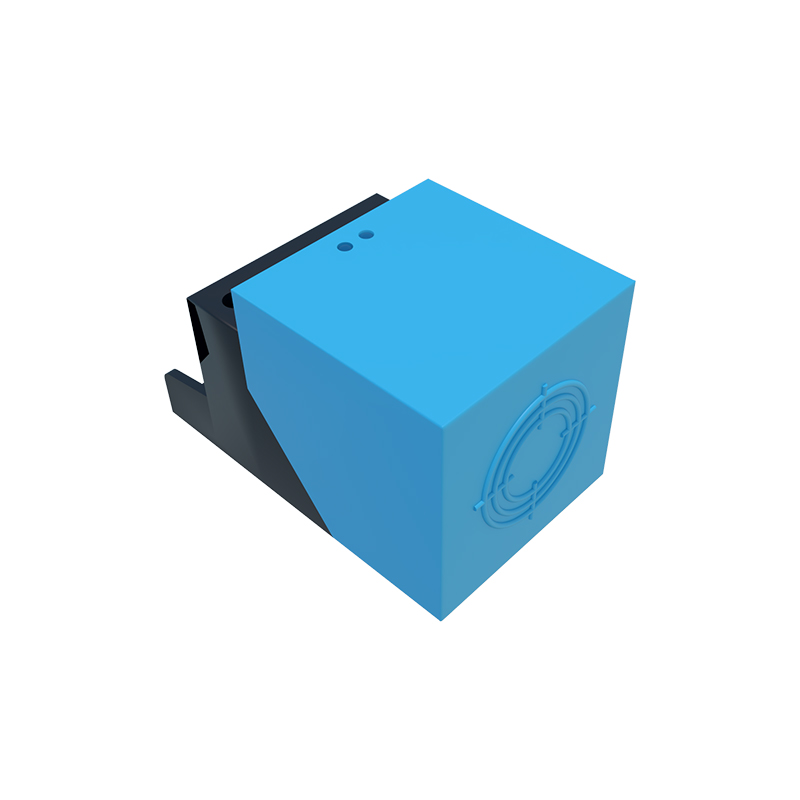
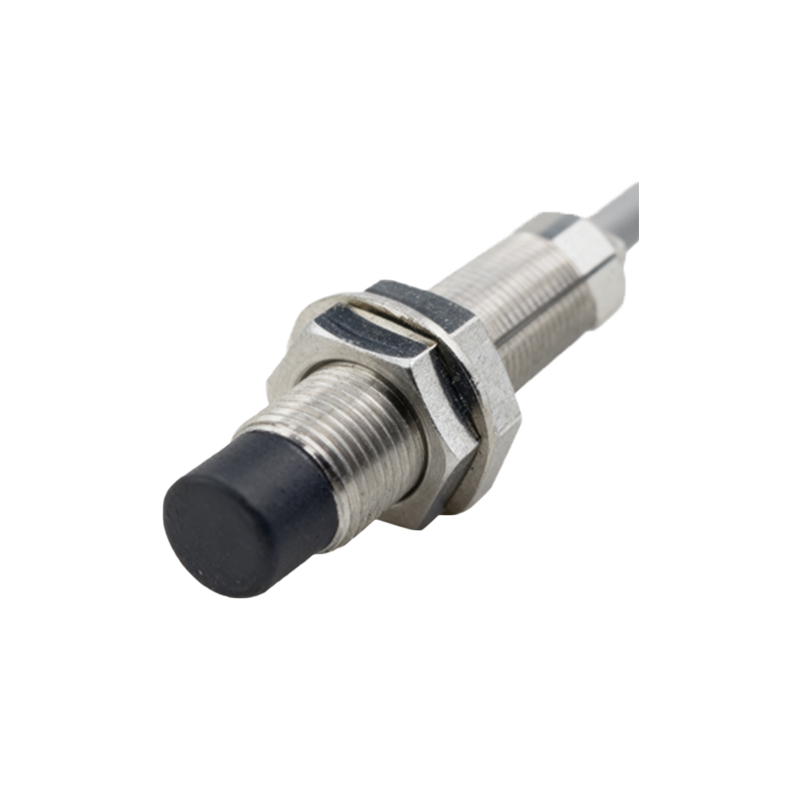
The selection of a 100mm range proximity sensor is not arbitrary. This distance is often chosen for applications requiring a reasonable safety margin or operational flexibility. It allows machinery to detect objects early enough to initiate subsequent control actions—like stopping a conveyor, counting items, or confirming a part's position—without the sensor being excessively large or costly. When specifying such a sensor, engineers must consider several key parameters beyond just the sensing range. The first is the sensor type (inductive, capacitive, ultrasonic) based on the target material. For instance, in a metal stamping line, an inductive sensor with a 100mm range is ideal for detecting steel plates. The second is the output configuration, typically PNP (sourcing) or NPN (sinking), which must be compatible with the programmable logic controller (PLC) or input module. Third, the housing material and ingress protection (IP) rating are critical for durability in harsh industrial environments, which may involve exposure to coolants, oils, or dust. A 100mm sensing range often comes in both cylindrical and rectangular housings, with materials like nickel-plated brass, stainless steel, or PBT plastic. Fourth, the switching frequency defines how quickly the sensor can respond to objects passing by, a vital factor in high-speed automation. Finally, considerations like temperature operating range, connection method (pre-wired or connector), and presence of built-in diagnostics (like LED indicators) play a significant role in long-term reliability.
In practical applications, proximity sensors with a 100mm detection distance are ubiquitous. In material handling, they are used for pallet detection on conveyors, ensuring proper spacing and preventing jams. In automotive assembly lines, they verify the presence of components like engines or doors at specific stations from a safe distance. Packaging machinery utilizes them to detect the level of materials in bins or to confirm the position of a product before sealing. In heavy machinery, such as cranes or presses, 100mm range sensors serve as safety devices to prevent collisions or detect the end-of-travel position of moving parts. Furthermore, they are employed in automated storage and retrieval systems (AS/RS) for precise positioning of shuttles and lifts.
Installation and maintenance are straightforward but require attention to detail. For reliable operation, the sensor should be mounted securely to avoid vibration-induced errors. The sensing face must be kept clean from debris, and the area within the 100mm field should be free of other metallic objects or sources of electrical noise that could cause interference, especially for inductive types. Regular functional checks are recommended as part of preventive maintenance to ensure the sensor continues to operate within its specified parameters.
In conclusion, the proximity switch sensor with a 100mm sensing range is a workhorse in industrial automation. Its design offers an optimal blend of detection capability, physical size, and cost-effectiveness for a multitude of applications. By understanding its operating principles and carefully matching its specifications to the application requirements, engineers and technicians can ensure robust, reliable, and efficient system performance, contributing to enhanced productivity and safety on the factory floor.