In the realm of industrial automation and control systems, proximity sensors are indispensable components. They detect the presence or absence of an object without physical contact, enabling precise, reliable, and wear-free operation in countless applications. For electrical engineers and system designers, selecting the appropriate type is crucial for optimal performance. This guide delves into the primary types of proximity sensors, explaining their operating principles, typical applications, and key considerations.
The most fundamental categorization is based on the underlying sensing technology. The first major type is the Inductive Proximity Sensor. These sensors generate an electromagnetic field. When a metallic object (ferrous or non-ferrous) enters this field, it induces eddy currents within the target, causing a change in the sensor's oscillation amplitude. This change is detected and converted into a switching signal. Inductive sensors are exceptionally robust, immune to environmental factors like dust, oil, and moisture, and offer high switching frequencies. They are predominantly used for detecting metal objects in machine tools, conveyor systems, and automotive assembly lines. Their limitation is clear: they only detect metals.
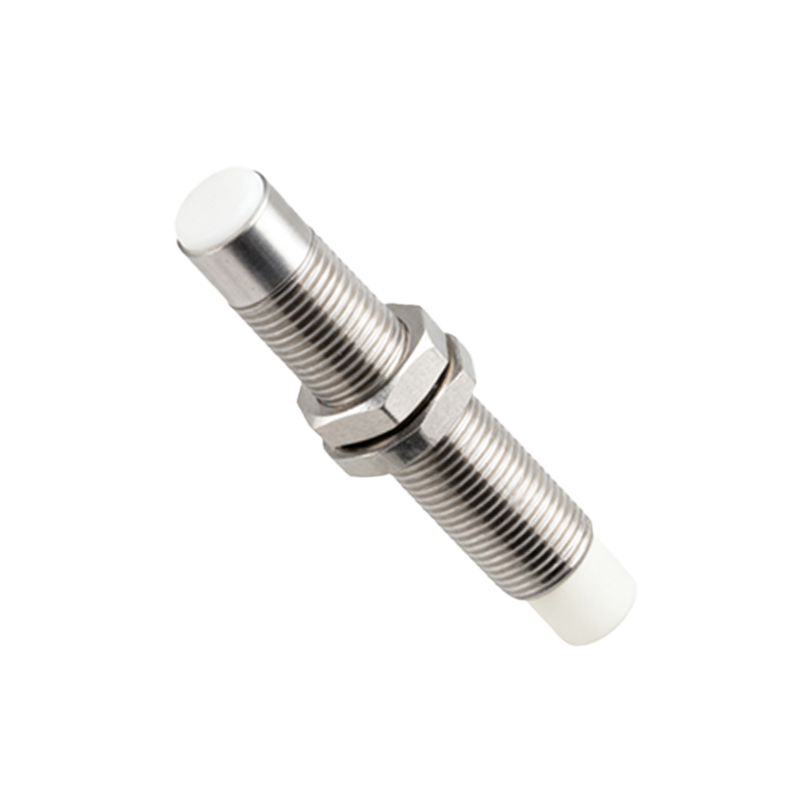
To detect non-metallic objects, the second major type, Capacitive Proximity Sensors, are employed. These sensors function by generating an electrostatic field. Any object that enters this field, be it metal, plastic, wood, liquid, or granular material, alters the capacitance of the sensor's circuit. This alteration triggers the output state change. Capacitive sensors can detect through certain non-metallic barriers, making them ideal for level detection in tanks (liquids or powders), material handling, and presence detection of plastics or glass. However, they can be more susceptible to environmental humidity and require careful tuning to avoid false triggers from non-target materials.
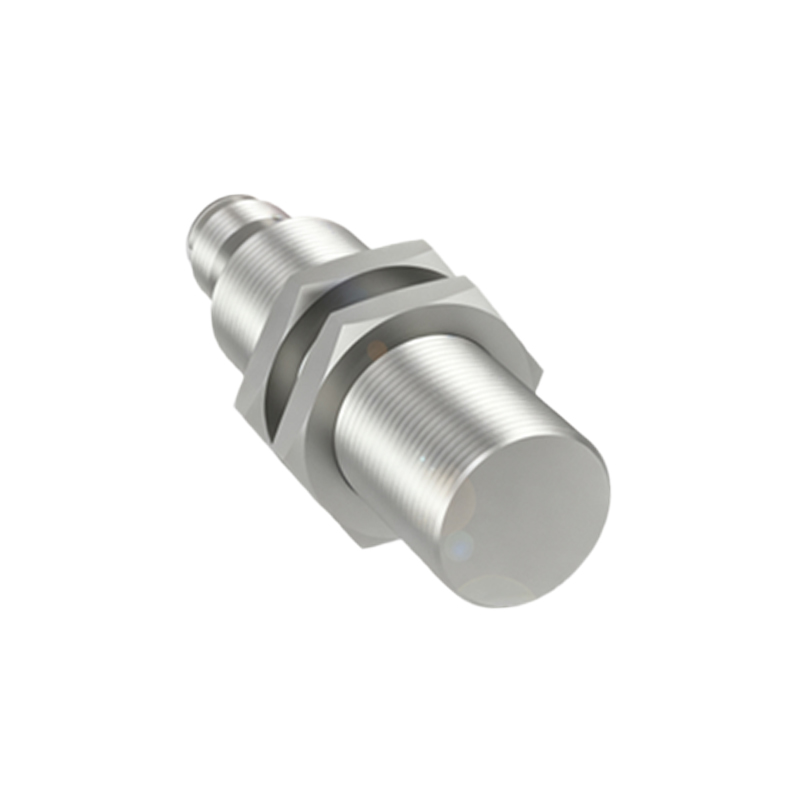
The third prominent category is Ultrasonic Proximity Sensors. These operate on the principle of sound wave echo. The sensor emits high-frequency ultrasonic pulses and then listens for the reflected echo. By calculating the time delay between emission and reception, the sensor can determine both the presence and the distance to an object. This makes them true distance-measuring sensors. They are excellent for detecting objects of virtually any material, including transparent or shiny surfaces that often confuse optical sensors. Common applications include pallet detection, loop control, and liquid level sensing in harsh environments where dust or vapor is present. Their performance can be affected by temperature variations and the object's sound-absorbing properties.
Photoelectric Sensors form the fourth major type, utilizing light beams for detection. They consist of a light emitter (usually LED or laser) and a receiver. They are further subdivided into three main modes. Through-beam (or opposed) mode has separate emitter and receiver units; an object is detected when it interrupts the light beam. This mode offers the longest sensing range and high reliability. Retro-reflective mode uses a single unit and a reflector; detection occurs when the beam is blocked from returning to the receiver. Diffuse (or proximity) mode relies on the reflection of light directly off the target object back to the receiver housed in the same unit. Photoelectric sensors are versatile for detecting a wide range of materials, colors, and shapes over long distances, used extensively in packaging, material handling, and safety systems.
A fifth, specialized type is the Magnetic Proximity Sensor (often called reed switches or Hall-effect sensors). These detect the presence of a permanent magnet. Reed switches use ferromagnetic reeds that contact each other when a magnetic field is applied. Hall-effect sensors produce a voltage change when exposed to a magnetic field. They are extremely simple, low-power, and reliable for detecting the position of cylinders (with embedded magnets) or in safety door interlocks.
Selection criteria extend beyond the detection principle. Engineers must consider factors like sensing range, output type (PNP/NPN, analog, IO-Link), housing material (metal vs. plastic), connection style (cable or connector), and environmental ratings (IP67, IP69K). Inductive and capacitive sensors typically offer short ranges (a few millimeters to tens of millimeters), while ultrasonic and photoelectric sensors can cover distances from centimeters to several meters.
In conclusion, the landscape of proximity sensors is defined by distinct technologies, each with its unique strengths. Inductive sensors reign for metallic targets in tough conditions. Capacitive sensors handle diverse materials including non-solids. Ultrasonic sensors provide reliable distance-based detection in challenging atmospheres. Photoelectric sensors offer flexibility and long-range for clear environments. Magnetic sensors provide simple, low-cost position feedback. A deep understanding of these types empowers electrical engineers to design more efficient, reliable, and intelligent automated systems, ensuring the right sensor is chosen for the specific demands of the application, material, and operating environment.