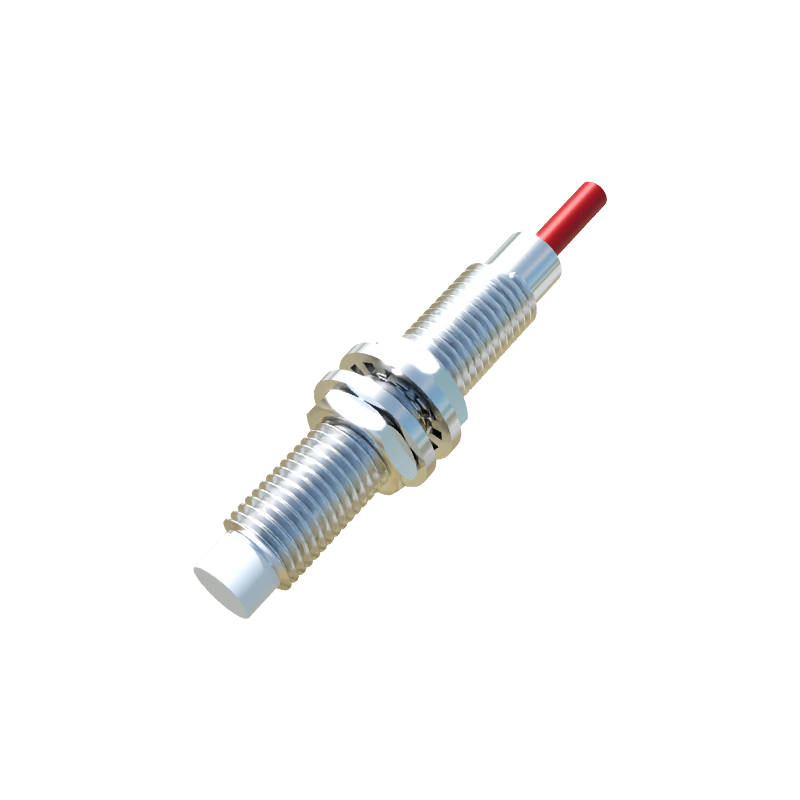
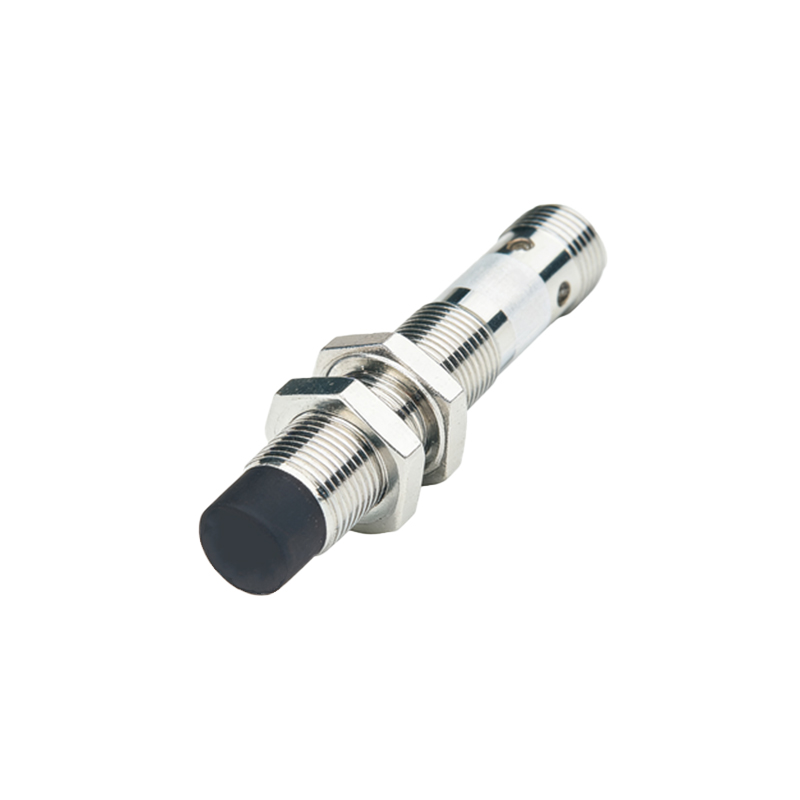
Automation proximity sensors are indispensable components in modern industrial systems, enabling non-contact detection of objects with high precision and reliability. These sensors operate by emitting an electromagnetic field or a beam of electromagnetic radiation, such as infrared light, and detecting changes in the field or return signal. Commonly used types include inductive, capacitive, ultrasonic, and photoelectric sensors, each suited for specific materials and environmental conditions. To use automation proximity sensors effectively, engineers must follow a systematic approach encompassing selection, installation, configuration, and maintenance.
First, selecting the appropriate sensor type is critical. Inductive sensors are ideal for detecting metallic objects, offering robust performance in harsh environments with dust, oil, or moisture. Capacitive sensors can detect both metallic and non-metallic materials, such as plastics or liquids, making them versatile for packaging or liquid level applications. Ultrasonic sensors use sound waves to measure distance or detect objects, excelling in scenarios requiring long-range detection or transparent materials. Photoelectric sensors, which rely on light beams, are suitable for precise detection of small objects or in clean environments. Consider factors like sensing range, response time, environmental conditions, and material properties when choosing a sensor. For instance, in a high-speed assembly line, a fast-response inductive sensor might be preferred, while a capacitive sensor could be better for monitoring fluid levels in tanks.
Installation plays a pivotal role in sensor performance. Mount the sensor securely to minimize vibration or movement, which can cause false readings. Ensure proper alignment with the target object; for example, photoelectric sensors require a clear line of sight, while inductive sensors should be positioned close to the metallic surface without physical contact. Avoid interference from other electromagnetic sources, such as motors or welding equipment, by maintaining adequate distance or using shielded cables. In dusty or humid areas, select sensors with high IP ratings (e.g., IP67 or higher) to prevent damage. Additionally, consider the sensor's orientation—some models have directional sensitivity that affects detection accuracy. Testing the installation with sample objects before full deployment can help identify and rectify issues early.
Configuration involves setting parameters like sensitivity, hysteresis, and output mode. Most modern proximity sensors feature adjustable settings via potentiometers or digital interfaces. Sensitivity adjustment ensures the sensor detects the target object reliably while ignoring background interference. For example, in a conveyor system, set the sensitivity to distinguish between products and the belt. Hysteresis, which prevents output oscillation when an object is at the detection threshold, enhances stability in dynamic environments. Output modes include NPN (sinking) or PNP (sourcing) transistor outputs, compatible with PLCs (Programmable Logic Controllers) or other control systems. Match the output type to the system's electrical requirements to avoid malfunctions. Some advanced sensors offer IO-Link or analog outputs for real-time data transmission, enabling predictive maintenance and integration with Industry 4.0 networks.
Maintenance is essential for long-term reliability. Regularly inspect sensors for physical damage, contamination, or wear. Clean lenses or sensing surfaces with appropriate solvents to maintain accuracy, especially in dirty environments. Monitor performance metrics, such as response time or error rates, using diagnostic tools or PLC logs. Calibrate sensors periodically, following manufacturer guidelines, to compensate for environmental drift or aging components. In critical applications, implement redundancy by using multiple sensors to ensure continuous operation. Troubleshoot common issues like false triggers by checking for environmental changes, power supply fluctuations, or electromagnetic interference. Document maintenance activities to track sensor lifespan and optimize replacement schedules.
In practice, automation proximity sensors are deployed across various industries. In automotive manufacturing, inductive sensors detect metal parts on assembly lines, ensuring precise robotic welding. In food processing, capacitive sensors monitor liquid levels in stainless steel tanks, while ultrasonic sensors verify packaging integrity. Logistics centers use photoelectric sensors to sort packages on high-speed conveyors. By integrating sensors with PLCs and SCADA systems, operators achieve real-time monitoring, reducing downtime and improving efficiency. Emerging trends, such as smart sensors with self-diagnostic capabilities, further enhance usability by providing alerts for maintenance needs.
To maximize benefits, engineers should stay updated on sensor technologies and industry standards, such as IEC 60947-5-2 for proximity switch performance. Training personnel on proper usage and troubleshooting can prevent operational errors. Ultimately, effective use of automation proximity sensors hinges on a holistic approach—from careful selection and installation to diligent maintenance—ensuring they contribute to safer, more productive industrial automation systems. By adhering to best practices, industries can leverage these sensors to optimize processes, reduce costs, and enhance quality control in an increasingly automated world.