Selecting the optimal proximity sensor for an industrial application is a critical decision that impacts system reliability, efficiency, and cost. As an experienced electrical engineer, I understand that a one-size-fits-all approach does not exist. The choice hinges on a meticulous evaluation of the application's specific parameters against the sensor's technical capabilities. This guide outlines the key factors and decision-making process to ensure a successful selection.
The first and most fundamental step is to define the Target Object. What material are you detecting? This determines the sensing technology. For detecting ferrous metals (like iron or steel), an inductive proximity sensor is typically the most robust and cost-effective choice. These sensors generate an electromagnetic field and detect the eddy current losses caused by the metal. For non-ferrous metals (aluminum, copper, brass), capacitive sensors or specialized inductive sensors with reduced sensing ranges are required. For detecting non-metallic materials such as wood, plastic, glass, or liquids, a capacitive proximity sensor is necessary, as it detects changes in capacitance caused by any material that alters the dielectric constant of its field.
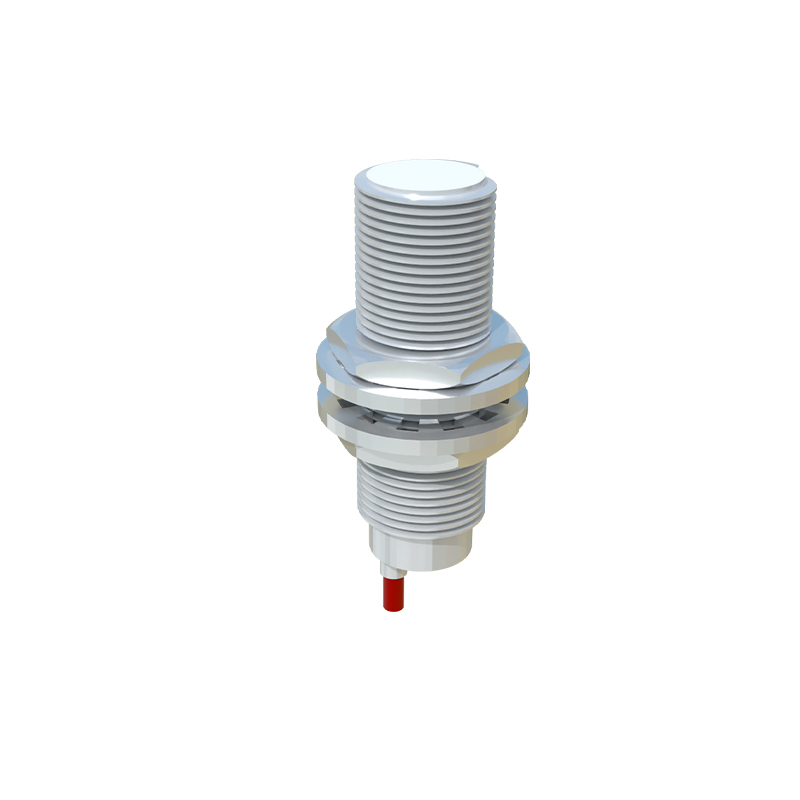
Next, consider the required Sensing Distance. This is not the nominal range listed in the datasheet. You must select a sensor with a rated operating distance (Sn) that exceeds your actual required distance, incorporating a substantial safety margin—typically 20-30%—to account for temperature fluctuations, voltage variations, and part tolerances. Remember that the sensing distance can vary with the target material's size, shape, and composition. Always refer to the sensor's correction factors for non-standard targets.
The Physical and Environmental Conditions are often the make-or-break factors. Will the sensor be exposed to washdowns, oils, coolants, or chemicals? An appropriate Ingress Protection (IP) rating (e.g., IP67, IP69K) is mandatory. Consider the temperature range of the operating environment. High-temperature environments require sensors with specialized housings and electronics. Vibration and mechanical shock ratings are crucial for applications on heavy machinery. Furthermore, evaluate potential electrical interference from nearby motors, variable frequency drives (VFDs), or welding equipment. Sensors with robust shielding and high noise immunity are essential in such settings.
The Electrical Requirements must seamlessly integrate with your control system. First, decide on the output type: PNP (sourcing) or NPN (sinking), which must match your PLC or controller input card. The output configuration—Normally Open (NO) or Normally Closed (NC)—defines the logic state when a target is present. Supply voltage range (e.g., 10-30V DC, 20-250V AC) must be compatible with your plant's power. Don't forget the connection method: quick-disconnect (M8, M12 connectors) or pre-wired cables, which affect installation time and maintenance.
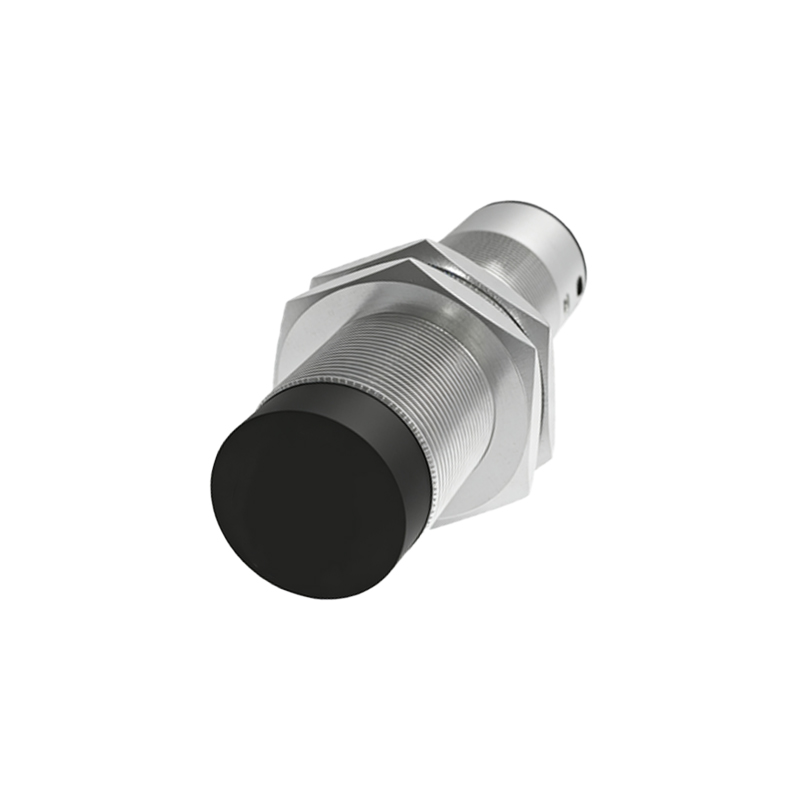
Performance Characteristics like switching frequency (response speed) and hysteresis are vital for dynamic applications. High-speed packaging or sorting lines demand sensors with very high switching frequencies to keep pace. Hysteresis, the difference between the switch-on and switch-off points, prevents chatter when a target is at the edge of the sensing range and is particularly important in applications with vibration.
Finally, do not overlook Physical Form Factor. The sensor's size, shape (barrel, rectangular, ring), and mounting style (flush or non-flush mount for inductive sensors) must fit the mechanical constraints of your application. Flush-mountable sensors can be embedded in metal, saving space but offering a shorter range.
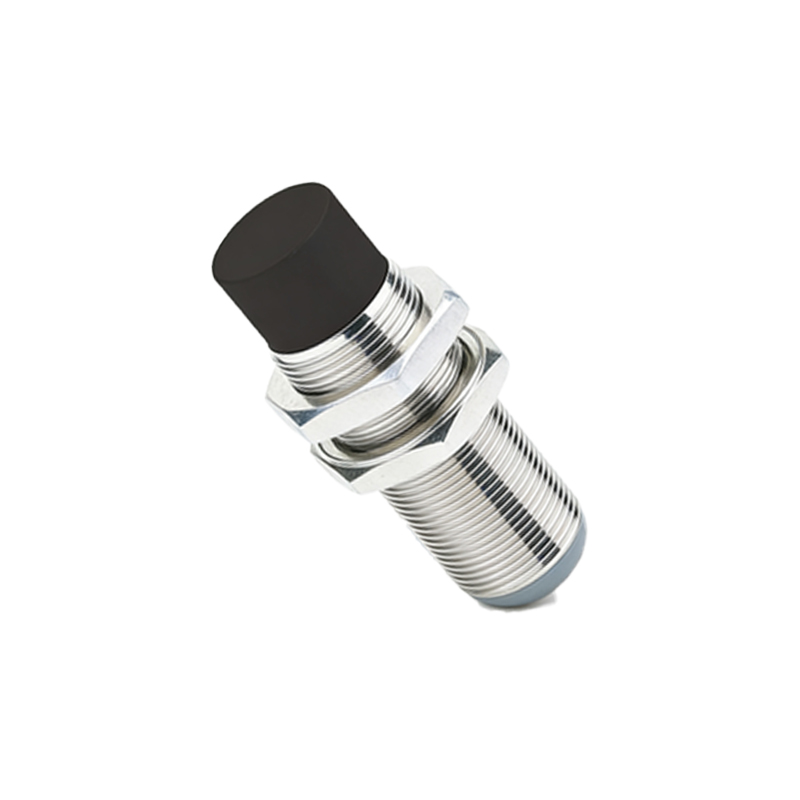
A systematic selection process involves: 1. Defining the target material and required sensing distance. 2. Assessing the environmental and electrical challenges. 3. Choosing the core technology (Inductive, Capacitive, Ultrasonic, Magnetic). 4. Specifying the electrical output and connection details. 5. Selecting a model from a reputable manufacturer that meets all criteria, with a proven track record for durability. Investing time in this analytical process upfront prevents costly downtime, false triggers, and premature sensor failure, ensuring a seamless and reliable integration into your automated system.