Semiconductor proximity sensors have become indispensable components in modern industrial automation, robotics, and smart systems. Their ability to detect the presence or absence of an object without physical contact offers unparalleled reliability and efficiency. However, the pricing landscape for these sensors is complex and multifaceted. This article delves into the key factors influencing the cost of semiconductor proximity sensors, providing engineers and procurement specialists with a comprehensive framework for evaluation and selection.
At the core of a semiconductor proximity sensor's cost is its underlying technology. The two primary types are Inductive and Capacitive sensors, each with distinct operational principles and price points. Inductive sensors, which detect metallic objects, are generally more cost-effective for standard metal detection applications. Their design and manufacturing processes are mature, leading to economies of scale. Capacitive sensors, capable of detecting a wider range of materials including liquids, plastics, and wood, often command a higher price due to their more complex circuitry and calibration requirements. The choice between these fundamentally dictates the base price level.
Beyond the basic type, performance specifications are the most significant cost drivers. Sensing range is a primary factor. A sensor with a 2mm range is substantially less expensive than one engineered for a 30mm range, as the latter requires more precise components and sophisticated signal processing to maintain accuracy over a greater distance. Similarly, the required precision, often defined as repeatability or linearity, directly impacts cost. High-precision sensors used in semiconductor manufacturing or精密 assembly demand tighter tolerances, superior materials, and advanced calibration, all adding to the unit price.
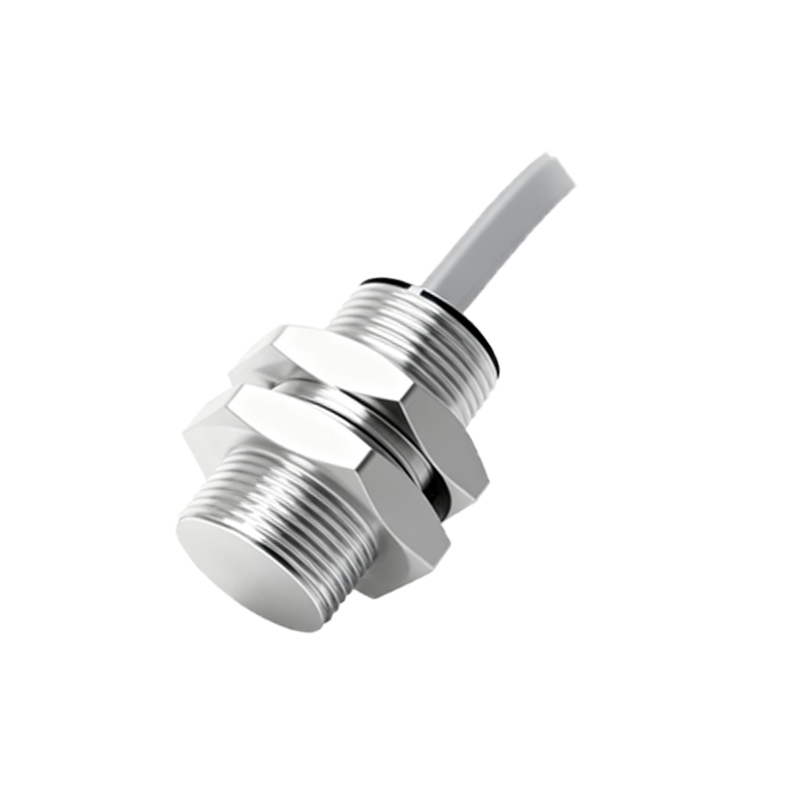
The housing material and ingress protection (IP) rating are critical for industrial durability and directly influence cost. Standard plastic housings (e.g., PBT) are economical for benign environments. In contrast, sensors designed for harsh conditions—featuring stainless steel housings, specialized seals, and high IP ratings (like IP67 or IP69K for washdown or outdoor use)—incur significantly higher material and manufacturing costs. The choice of output type (PNP/NPN, analog voltage/current, IO-Link, etc.) also plays a role. Basic digital outputs are standard, while analog outputs or those with integrated digital communication protocols (like IO-Link) add complexity and cost but provide greater data integration capabilities.
Supply chain dynamics and brand positioning are external yet powerful cost factors. Established global brands (e.g., Omron, Sick, Pepperl+Fuchs, Balluff) often price their sensors at a premium, justified by extensive R&D, rigorous quality control, global warranty, and application support. These brands offer reliability that is crucial for mission-critical applications. Conversely, generic or regional brands may offer similar specifications at a lower cost, potentially trading off long-term reliability, consistency, and technical support. Volume purchasing agreements can substantially reduce the per-unit cost, making accurate demand forecasting a valuable cost-saving strategy.
Finally, the total cost of ownership (TCO) extends beyond the initial purchase price. Factors such as mean time between failures (MTBF), ease of installation and integration, compatibility with existing systems, and availability of spare parts contribute to long-term operational expenses. A slightly more expensive sensor with a proven track record of longevity and minimal maintenance can offer a far lower TCO than a cheaper, less reliable alternative that causes frequent production downtime.
In conclusion, the price of a semiconductor proximity sensor is a function of its technology, performance, robustness, features, and brand value. A thorough analysis of the specific application requirements—environment, target material, required range, precision, and needed output—is essential for selecting a sensor that offers the optimal balance between performance and cost. By focusing on the TCO rather than just the unit price, engineers can make informed decisions that enhance system reliability and productivity while managing budgets effectively.