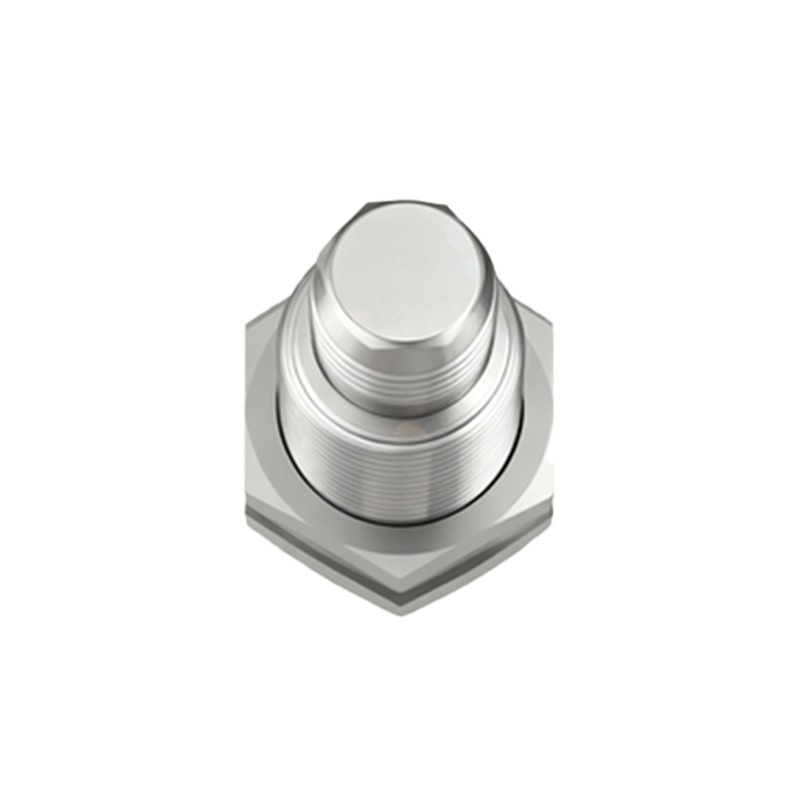
Infrared (IR) proximity sensors are pivotal components in modern automation and electronics, offering non-contact detection capabilities across diverse industries. These sensors operate by emitting an infrared light beam and measuring the intensity of the light reflected back from a target object. The core principle hinges on the fact that the amount of reflected IR light correlates directly with the distance to the object, allowing for precise proximity detection without physical contact.
The fundamental architecture of a typical IR proximity sensor comprises three key elements: an IR emitter (usually an IR LED), a photodetector (such as a photodiode or phototransistor), and signal processing circuitry. The emitter generates a modulated infrared signal to minimize interference from ambient light sources. The photodetector receives the reflected signal, and the onboard circuitry converts this optical input into an electrical output, typically a digital signal (object present/absent) or an analog voltage proportional to distance.
Several critical technical parameters define the performance and suitability of an IR proximity sensor. Sensing range is paramount, varying from a few centimeters to several meters, depending on the emitter power and detector sensitivity. Response time, often in the millisecond range, determines how quickly the sensor can detect a change in proximity. Another vital factor is the sensor's resolution and repeatability, which affect measurement consistency. Environmental robustness is also crucial; factors like ambient temperature, humidity, and the presence of dust or fog can influence IR light absorption and scattering, potentially impacting accuracy. Modern sensors often incorporate compensation algorithms to mitigate these effects.
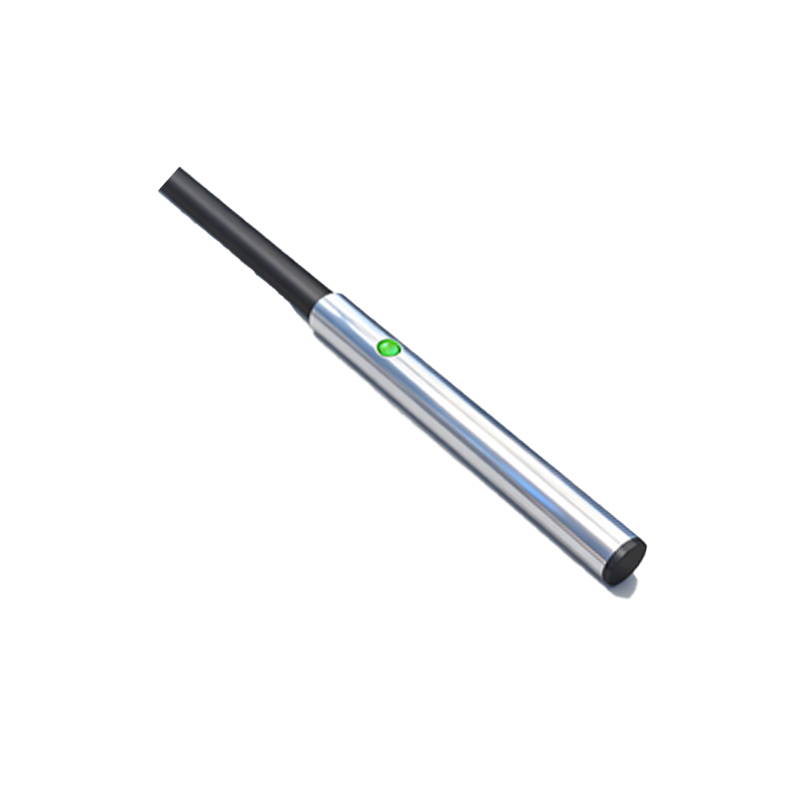
The applications of IR proximity sensors are vast and continually expanding. In consumer electronics, they are ubiquitous in smartphones to disable the touchscreen during calls by detecting the proximity of the user's face. In the automotive sector, they are employed in parking assistance systems and occupancy detection. Industrial automation heavily relies on them for object counting on conveyor belts, jam detection in machinery, and robotic guidance. Furthermore, they play a role in smart home devices for touchless light switches and faucets, enhancing hygiene and convenience.
When selecting an IR proximity sensor for a specific application, engineers must consider a detailed checklist. First, clearly define the required sensing distance and the physical properties of the target (color, material, reflectivity). Dark, non-reflective surfaces absorb more IR light, reducing effective range. Second, evaluate the operating environment, including potential optical interference from sunlight or other IR sources. Third, determine the necessary output type: a simple digital switch or a precise analog distance reading. Fourth, consider the physical package size and mounting constraints. Finally, assess power consumption, especially for battery-operated devices, and the sensor's immunity to electrical noise in industrial settings.
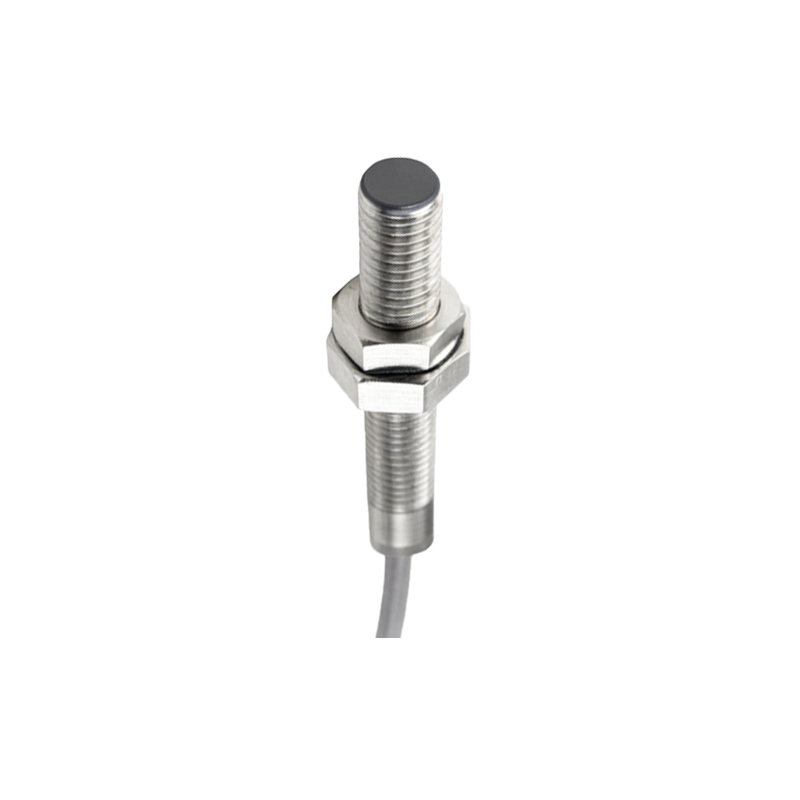
Recent advancements are pushing the boundaries of IR proximity sensing. The integration of Time-of-Flight (ToF) technology allows for more accurate distance measurement by calculating the time delay between emitted and reflected light pulses. Multi-element sensor arrays are enabling simple gesture recognition. Furthermore, the fusion of IR sensing data with inputs from other sensors, like ultrasonic or capacitive sensors, is creating more robust and intelligent systems capable of operating reliably in complex scenarios.
In conclusion, infrared proximity sensors represent a mature yet evolving technology. Their non-contact nature, reliability, and cost-effectiveness make them indispensable in countless applications. A deep understanding of their operating principles, key specifications, and environmental limitations is essential for engineers to deploy them effectively, ensuring optimal performance and system integration. As the demand for automation and interactive devices grows, the role of these versatile sensors will only become more significant.