In the intricate world of industrial automation and consumer electronics, capacitive proximity sensor chips have emerged as a cornerstone technology, enabling precise, reliable, and non-contact detection. Unlike their inductive counterparts that sense only metals, capacitive sensors can detect a wide range of materials, including liquids, plastics, wood, and even human skin through non-conductive barriers. This versatility makes them indispensable in applications from touch-sensitive interfaces and liquid level sensing to position detection and object counting. At the core of this capability lies the sophisticated integrated circuit—the capacitive sensor chip—which orchestrates the entire sensing process with remarkable efficiency.
The fundamental principle of a capacitive proximity sensor is based on changes in capacitance. The system essentially forms a capacitor, where the sensor's active surface acts as one plate, the target object as the other, and the intervening space as the dielectric. When an object enters the sensor's electric field, it alters the dielectric properties, leading to a measurable change in capacitance. The dedicated sensor chip is responsible for generating an oscillating electric field, measuring the minute capacitive shifts with high sensitivity, and converting this analog change into a clean, digital output signal for a microcontroller. Advanced chips employ sophisticated algorithms and filtering techniques to distinguish between a genuine target signal and environmental noise, such as temperature fluctuations or humidity changes, ensuring stable operation in harsh conditions.
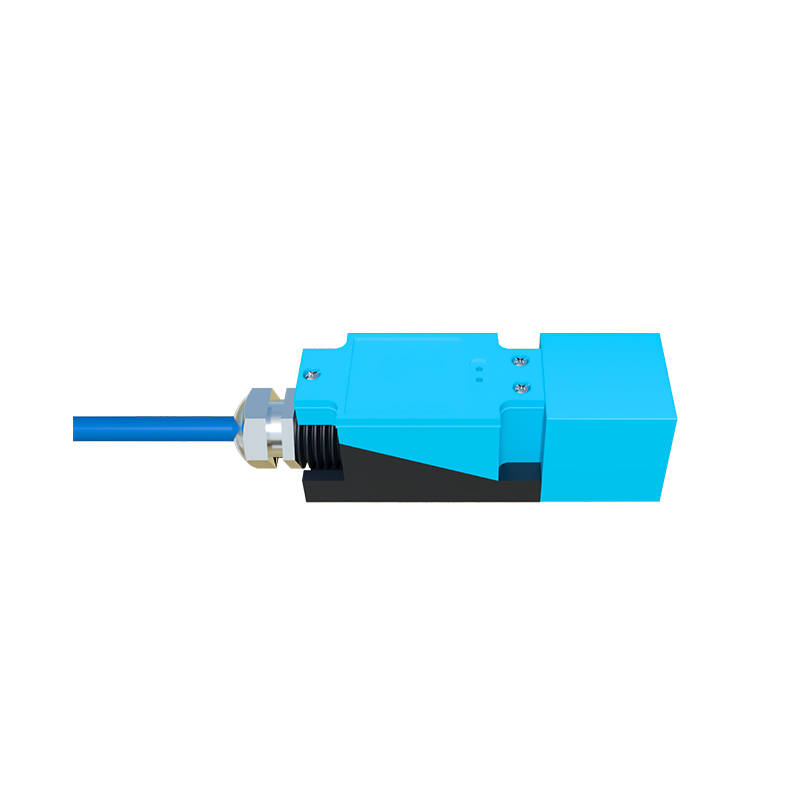
Modern capacitive sensor chips are marvels of integration. A typical chip integrates a high-frequency oscillator, a signal conditioning circuit, a demodulator, and a Schmitt trigger for hysteresis, all on a single silicon die. Key performance parameters include sensitivity, which determines the maximum sensing distance; response time, critical for high-speed applications; and power consumption, especially vital for battery-operated devices. Many contemporary chips feature adjustable sensitivity via external components or digital interfaces, allowing engineers to fine-tune the sensor for specific applications without redesigning the hardware. Furthermore, the integration of self-diagnostic functions and robust electromagnetic compatibility (EMC) protection has become standard, enhancing system reliability and simplifying compliance with international standards.
The application spectrum for these chips is vast and growing. In consumer electronics, they are the enabling technology behind touch buttons, sliders, and proximity detection in smartphones and tablets, helping to conserve power by turning off displays when held near the ear. In the automotive sector, they are used for touch-based HMI controls, seat occupancy detection, and fluid level monitoring. Industrial automation leverages them for precise positioning of non-metallic objects, fill level control in tanks, and as safety devices to detect the presence of operators. A particularly demanding application is in moisture and humidity sensors, where the chip must detect minute changes in dielectric constant caused by water content.
Designing a system around a capacitive sensor chip requires careful attention to several factors. The sensor electrode's size, shape, and layout are paramount, as they directly influence the electric field's shape and sensitivity. The use of a guard ring or shield electrode, often driven by the chip itself, is crucial to minimize parasitic capacitance and focus the sensing field, preventing false triggers from the sensor's own mounting or background objects. The choice of the dielectric material covering the electrode also impacts performance. Proper PCB layout is essential, keeping sensitive analog traces short and away from noise sources. Designers must also consider the environmental context, as factors like condensation, dust, or varying target materials can affect the dielectric constant and require compensation in the chip's firmware or circuitry.
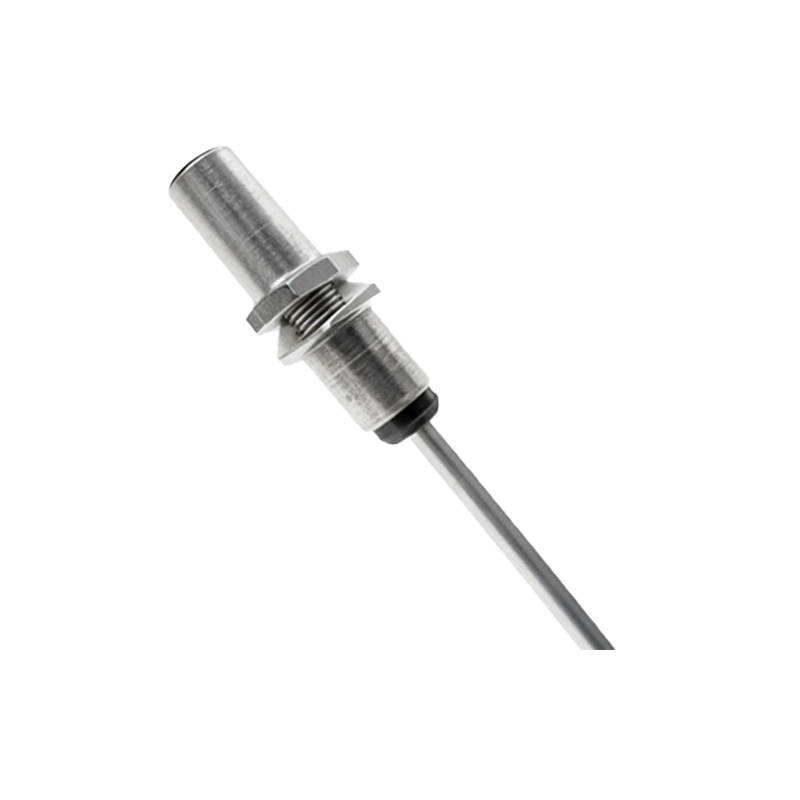
Looking ahead, the evolution of capacitive sensor chips points toward even greater intelligence and integration. We are seeing trends toward digital output chips with integrated microcontrollers (MCUs) that perform all signal processing on-chip, communicating via I2C or SPI buses. This "smart sensor" approach simplifies system design and enables advanced features like auto-calibration and multi-channel sensing. Another significant trend is the drive toward ultra-low power consumption, enabling their use in always-on IoT devices and wearable technology. Furthermore, research into novel materials and 3D electrode structures promises to enhance sensitivity and enable new form factors. As the demand for intuitive, reliable, and contactless interaction grows across all sectors, the capacitive proximity sensor chip will continue to be a silent, yet powerful, enabler of innovation, seamlessly bridging the physical and digital worlds.