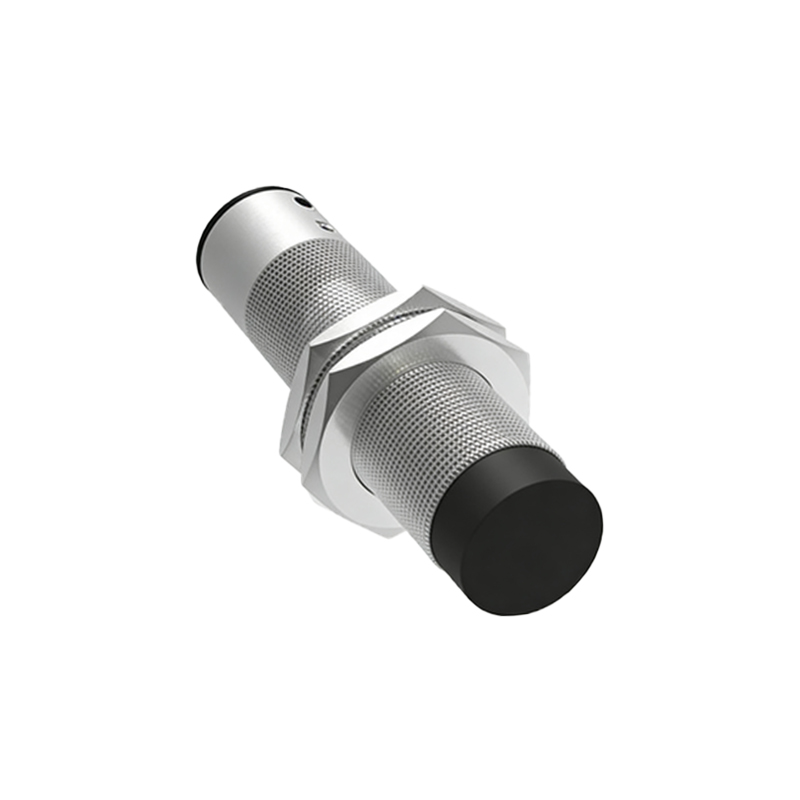
Proximity switch sensors with magnet 220V represent a critical category of non-contact sensing devices widely employed in industrial automation and control systems. These sensors operate on the principle of detecting the presence or absence of a magnetic field, typically generated by a permanent magnet attached to a moving target. The integration of a 220V AC power supply capability makes them particularly suitable for heavy-duty industrial environments where high-voltage power is standard.
The core functionality of a magnetic proximity sensor lies in its internal reed switch or solid-state Hall-effect component. When a magnet approaches within the specified sensing range, the magnetic field causes the contacts within the reed switch to close (or the Hall-effect sensor to trigger), thereby completing an electrical circuit. This action sends a signal to the connected controller, such as a PLC (Programmable Logic Controller), indicating the target's position. The 220V AC rating refers to the sensor's operating voltage and the load it can directly switch, often eliminating the need for intermediate relays in controlling high-power actuators, motors, or solenoid valves. This design simplifies panel wiring, reduces component count, and enhances system reliability.
Key advantages of using a 220V AC magnetic proximity switch include robust performance in harsh conditions. They are generally housed in rugged, sealed enclosures with high IP (Ingress Protection) ratings, making them resistant to dust, moisture, oil, and mechanical vibration. Their non-contact nature ensures virtually wear-free operation, leading to a long operational lifespan and minimal maintenance. Common applications are found in machine tools, material handling systems, conveyor belt monitoring, door position sensing in industrial ovens or furnaces, and as safety interlocks on guards and access panels. They are ideal for detecting the position of cylinders (when a magnet is embedded in the piston), rotary cams, and any moving part where a magnet can be mounted.
When selecting a proximity switch sensor with magnet for 220V AC use, several technical parameters require careful consideration. The sensing distance, typically ranging from a few millimeters to several centimeters, must be chosen based on the application's mechanical tolerances. The output configuration is crucial; common types include Normally Open (NO), Normally Closed (NC), or changeover contacts. The load current rating (in amperes) must not be exceeded by the connected device. Furthermore, factors like operating temperature range, response frequency (how quickly it can detect successive targets), and housing material (e.g., brass, stainless steel, PBT plastic) must align with the environmental conditions. Proper installation is paramount. The sensor must be securely mounted, and the accompanying magnet must be aligned correctly within the specified sensing window. Electrical wiring must adhere to local codes and standards, with proper attention to live 220V AC connections for safety. It is often recommended to incorporate a protective fuse or circuit breaker in the supply line.
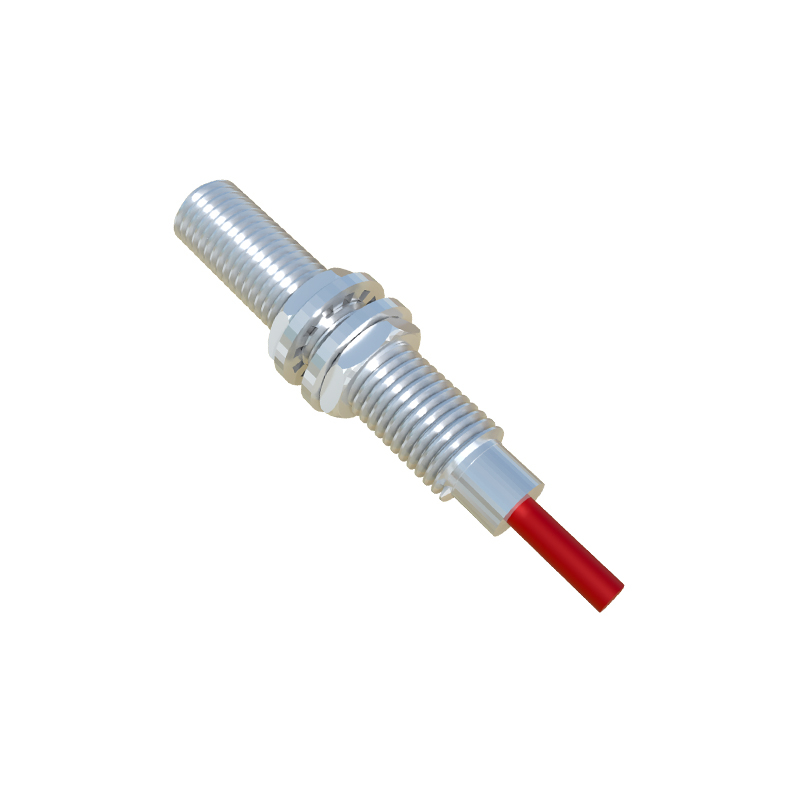
In summary, the 220V AC magnetic proximity switch sensor is a versatile, durable, and powerful solution for position detection and automation control. Its ability to interface directly with high-voltage industrial loads provides a streamlined and cost-effective design for engineers and system integrators. By understanding its operating principles, advantages, and selection criteria, professionals can effectively deploy these sensors to enhance the efficiency, safety, and reliability of automated industrial machinery.