In the intricate world of industrial automation and machine design, sensors act as the fundamental sensory organs, providing critical data for control systems. Among the most versatile and widely deployed are proximity sensors and photoelectric reflective sensors. While their names are often used in tandem, they operate on distinct physical principles, yet share a common, vital purpose: non-contact detection. This article delves into their specific functions, operational mechanisms, and pivotal roles across various industries.
Proximity sensors, primarily inductive and capacitive types, function by generating an electromagnetic field. An inductive proximity sensor detects the presence of metallic objects. When a metal target enters its oscillating electromagnetic field, it induces eddy currents within the target, causing a change in the oscillation amplitude. This change is detected by the sensor's circuitry, triggering a switching output. Capacitive sensors, on the other hand, can detect both metallic and non-metallic materials (plastics, wood, liquids) by sensing changes in capacitance caused by the dielectric properties of the target entering its electrostatic field. Their core function is robust, non-contact position sensing in harsh industrial environments—counting metal parts on a conveyor, verifying spindle position, or detecting the end-of-travel of a cylinder, all without physical wear.
Photoelectric reflective sensors, a subset of photoelectric sensors, operate on the principle of light emission and reception. The sensor houses both a light source (typically an LED emitting visible red, infrared, or laser light) and a receiver. It emits a light beam towards a target; the target reflects this beam back to the receiver. The sensor's internal electronics then evaluate the intensity of the returned light. A significant enough reflection (indicating an object is within the preset sensing range) triggers the output switch. Key variants include diffuse reflective sensors, which use the target itself as the reflector, and retro-reflective sensors, which rely on a dedicated reflector, allowing for longer sensing distances and more precise detection.

The functional role of these sensors is multifaceted. First and foremost, they enable Precision Object Detection and Positioning. On high-speed packaging lines, a photoelectric reflective sensor can accurately detect the presence of a carton, triggering a label applicator or verifying fill level. A proximity sensor ensures a robotic gripper is precisely positioned before closing on a metal component. Secondly, they are indispensable for Counting and Inventory Management. Every time an object breaks a beam or enters a sensing field, it counts. This is crucial for production batch tracking, parts assembly verification, and warehouse automation. Thirdly, they provide essential Safety and Machine Guarding. Safety-rated light curtains, which are arrays of photoelectric beams, create invisible barriers around hazardous machinery, instantly halting operation if breached. Proximity sensors are used as door interlock monitors on protective guards.
Furthermore, these sensors facilitate Process Control and Quality Assurance. A photoelectric sensor can distinguish between objects based on reflectivity or color, sorting defective products. In liquid processing, capacitive proximity sensors can detect the presence or level of a fluid inside a non-metallic tank. Their non-contact nature is their supreme advantage, eliminating mechanical failure points, allowing for high-speed operation, and preventing damage to delicate targets.
Industry applications are vast. In automotive manufacturing, arrays of inductive proximity sensors monitor robotic weld gun positions. In the food and beverage sector, photoelectric sensors detect transparent bottles on filling lines. In material handling, they manage pallet positioning and automated guided vehicle (AGV) navigation. In electronics assembly, miniature sensors verify the placement of tiny components.
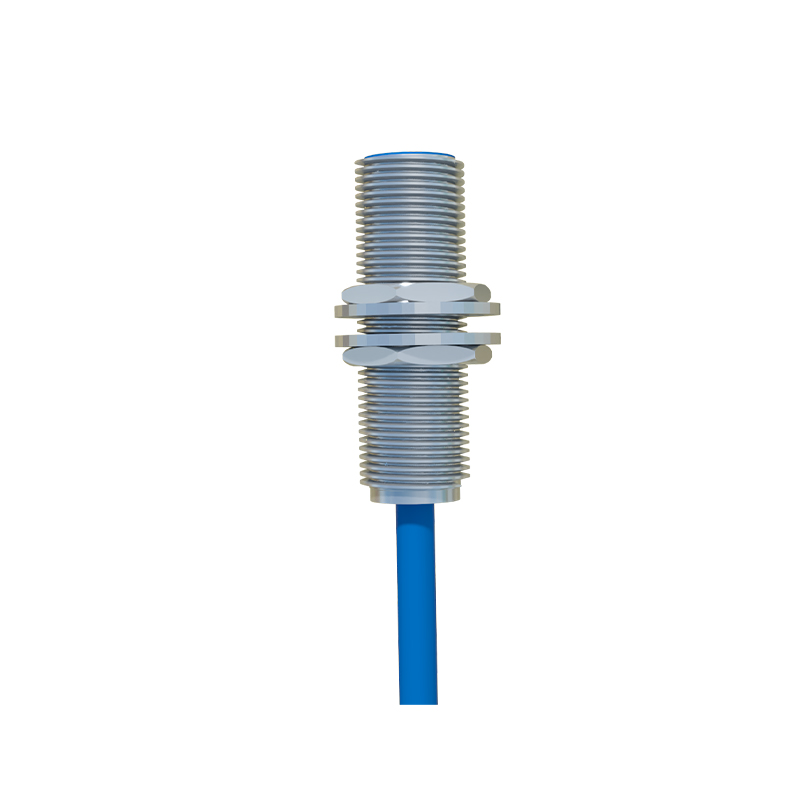
Choosing between them hinges on the application specifics. Proximity sensors (inductive) excel in dirty, oily environments and for metal detection only. Photoelectric reflective sensors offer longer ranges and can detect virtually any material, but their performance can be affected by target color, reflectivity, and environmental contaminants like dust or fog. Modern advancements include sensors with IO-Link communication for detailed diagnostics, background suppression technology for precise range-gating, and enhanced resistance to environmental interference.
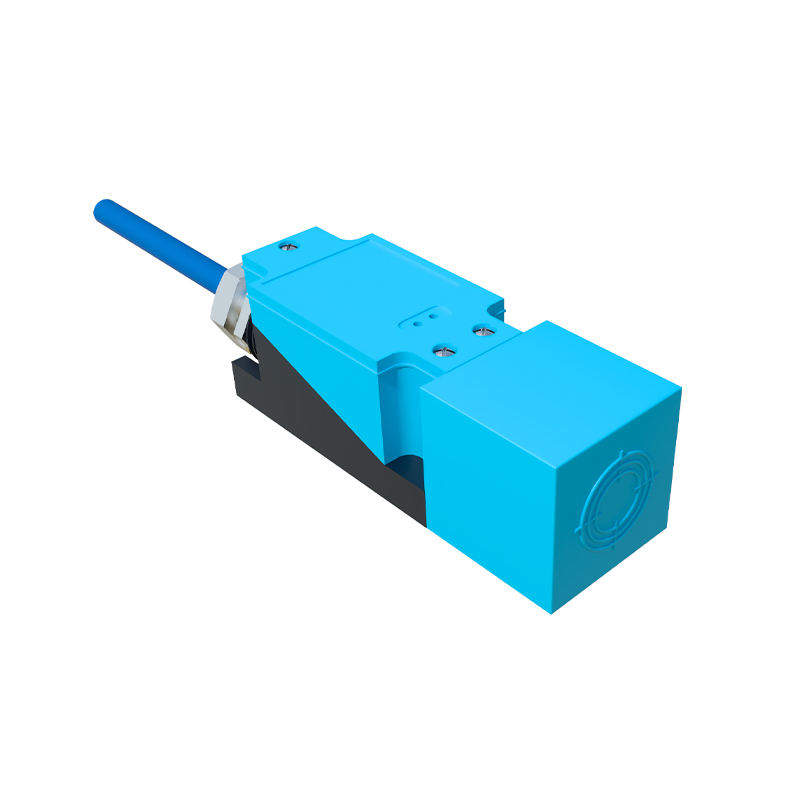
In conclusion, proximity and photoelectric reflective sensors are not merely components; they are enablers of intelligence, efficiency, and safety in automated systems. Their fundamental role in translating physical presence into actionable electrical signals forms the backbone of modern industrial logic control. A deep understanding of their principles and capabilities is essential for engineers designing the responsive, reliable, and sophisticated automated systems that drive contemporary manufacturing and beyond.