Proximity sensors are indispensable components in the vast landscape of industrial automation and control systems. Their primary function is to detect the presence or absence of an object within a specific range without any physical contact. This non-contact detection capability is the cornerstone of their widespread utility, offering reliability, longevity, and precision that mechanical switches cannot match. The fundamental question, "What are proximity sensors used for?" opens the door to a multitude of applications that enhance efficiency, safety, and automation across various sectors.
At their core, proximity sensors operate on different principles, primarily inductive, capacitive, ultrasonic, and photoelectric. Inductive sensors detect metallic objects, capacitive sensors can detect both metallic and non-metallic materials, ultrasonic sensors use sound waves for detection over longer distances, and photoelectric sensors utilize light beams. This diversity in technology directly translates to a broad spectrum of applications.
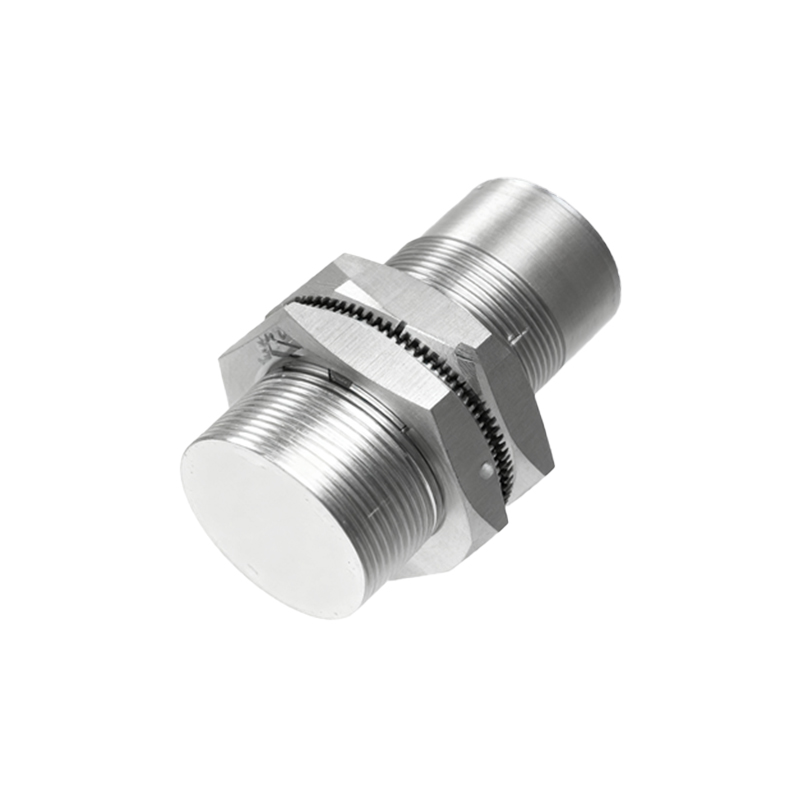
In manufacturing and assembly lines, proximity sensors are the silent sentinels ensuring smooth operations. They are used for precise object detection and counting on conveyor belts. For instance, an inductive sensor can confirm the passage of a metal component, triggering the next stage in the assembly process or updating a production count. They are crucial for position verification, ensuring a robotic arm or a machining tool is in the correct starting position before initiating a cycle. This prevents collisions and ensures product quality. In automated packaging, sensors detect when a product is in place for sealing, wrapping, or boxing, synchronizing the machinery's movements perfectly.
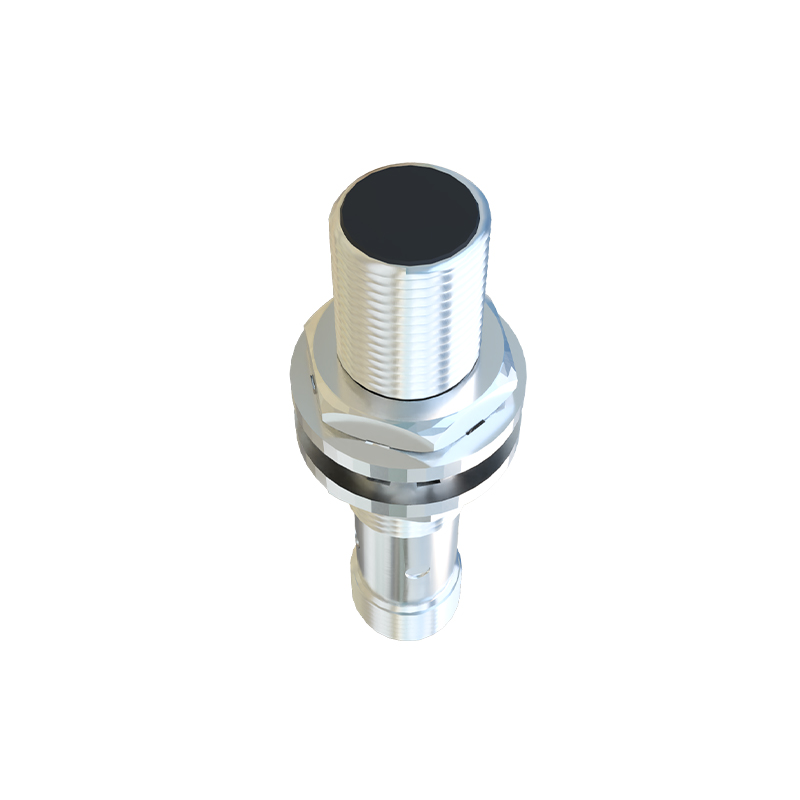
The realm of robotics heavily relies on proximity sensors for navigation, obstacle avoidance, and precise manipulation. Mobile robots use arrays of sensors to map their environment and avoid collisions. In robotic arms, sensors provide feedback on the position of grippers or tools relative to a workpiece, enabling delicate pick-and-place operations in electronics manufacturing or automotive assembly. This application is vital for creating flexible and safe human-robot collaborative workspaces.
Machine safety is another critical domain. Safety interlock systems on machine guards often employ proximity sensors (like magnetic reed switches or coded magnetic sensors) to detect if a protective door or gate is securely closed. If the sensor does not detect the "safe" position, the hazardous machine motion is prevented from starting, protecting personnel from injury. They are also used as non-contact limit switches to define the safe travel limits of moving parts like crane hooks or elevator cars.
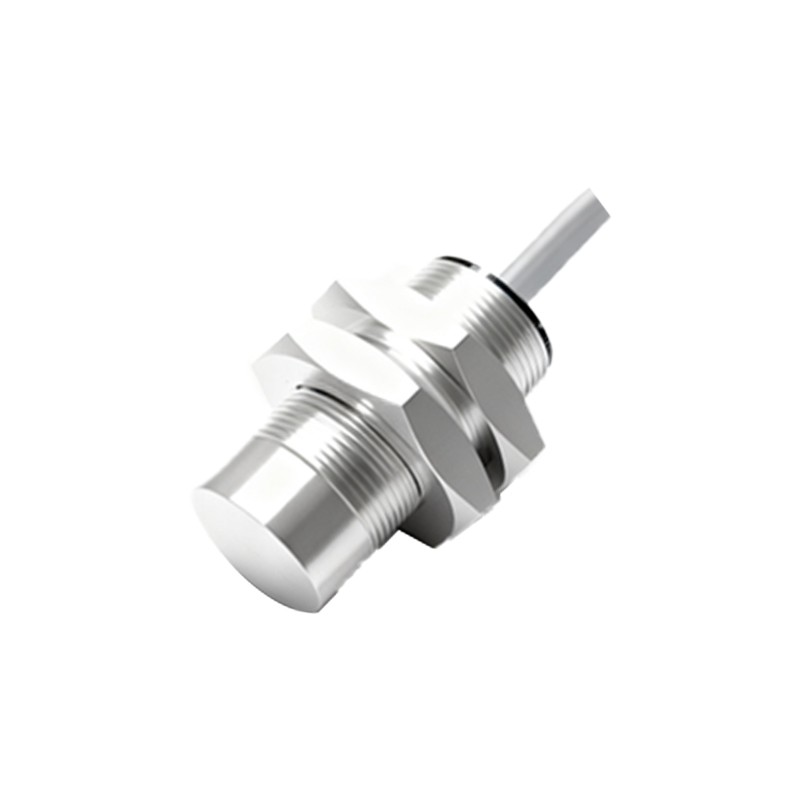
In the automotive industry, proximity sensors are ubiquitous. They are integral to anti-lock braking systems (ABS), where they monitor wheel speed. Modern vehicles feature parking assist systems, where ultrasonic sensors around the bumper measure the distance to obstacles, providing audible or visual warnings to the driver. Inside the vehicle, capacitive sensors are used in touch-sensitive control panels and for detecting the presence of a passenger for airbag deployment logic.
Beyond heavy industry, these sensors find applications in consumer electronics and everyday appliances. Smartphones use proximity sensors to turn off the touchscreen display when held to the ear during a call, saving power and preventing accidental touches. Automatic faucets and soap dispensers in public restrooms often use infrared or capacitive sensors to detect hands, promoting hygiene and conserving water. Automatic doors in supermarkets and airports use microwave or infrared sensors to detect approaching people.
In material handling and logistics, proximity sensors monitor the level of bulk materials in silos or tanks. They control the filling process to prevent overflows. On automated guided vehicles (AGVs) and in warehouse management systems, they help in navigation and inventory tracking by detecting tags or specific landmarks.
The advantages driving these applications are clear: non-contact sensing eliminates mechanical wear and tear, leading to high reliability and a long operational life. They can operate at high speeds, suitable for fast-paced production lines. Most are impervious to environmental factors like dust, oil, and moisture, especially when properly rated (e.g., IP67). Furthermore, they provide consistent and accurate detection, which is essential for quality control and process repeatability.
In conclusion, the question of the use of proximity sensors reveals their role as fundamental enablers of automation. From ensuring the precise placement of a tiny semiconductor chip to safeguarding workers near heavy machinery, and from enabling the convenience of automatic doors to the sophistication of autonomous mobile robots, proximity sensors are versatile, robust, and critical components. Their ability to provide reliable, contactless feedback makes them a key technology in building smarter, safer, and more efficient systems across virtually every modern industry. As Industry 4.0 and the Internet of Things (IoT) continue to evolve, the integration and intelligence of proximity sensing will only become more profound.