In the high-stakes world of industrial manufacturing, stamping presses are fundamental. These powerful machines shape metal with immense force, creating components for everything from automobiles to appliances. However, the very power that makes them effective also introduces significant risks: operator injury, tool damage, and production downtime due to malfunctions. This is where proximity sensors become indispensable. Far from being mere accessories, these electronic devices are critical components that transform a brute-force machine into a smart, safe, and highly efficient system.
Unlike mechanical limit switches that require physical contact, proximity sensors detect the presence or absence of a target object without any touch. They achieve this through electromagnetic fields or beams of radiation. In stamping applications, the most common types are inductive and magnetic sensors. Inductive sensors generate an oscillating electromagnetic field to detect metallic objects—perfect for sensing a metal die, a slide position, or a part in a feeder. Magnetic sensors, often called reed switches or Hall-effect sensors, react to the presence of a magnetic field, frequently used in conjunction with a magnet on a moving press component.
The integration of these sensors into a stamping press system delivers multifaceted benefits. The foremost is operator safety. By strategically placing sensors at the point of operation—the area where the die closes—they can create a presence-sensing device initiation (PSDI) system. If a sensor detects a hand, tool, or any foreign object within the danger zone during the press cycle, it sends an immediate signal to halt the machine. This non-contact method is more reliable and faster than physical guards or pull-back devices alone, forming a crucial layer in modern safety protocols.
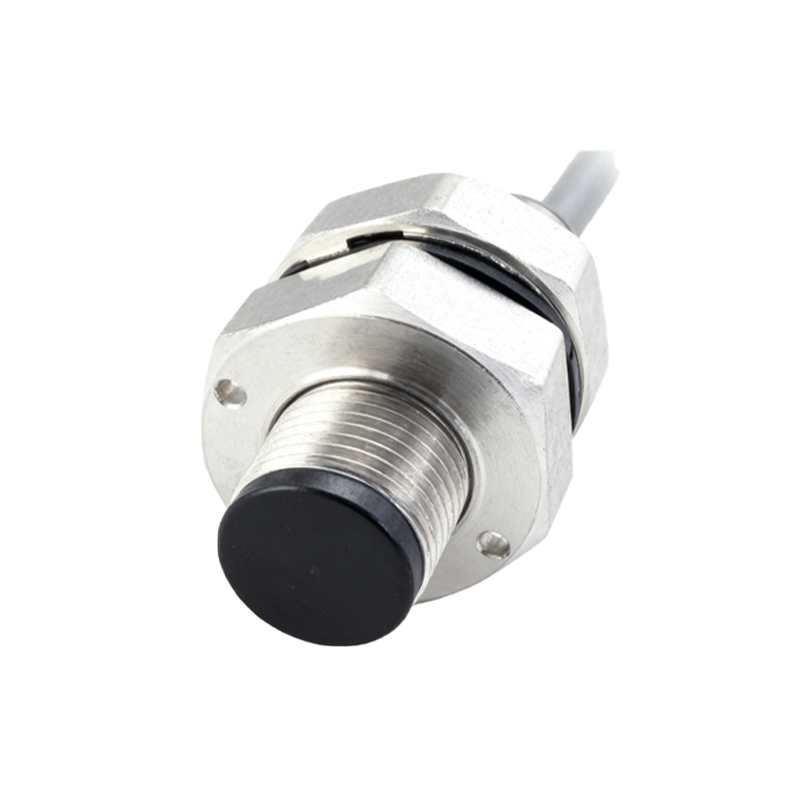
Beyond safety, proximity sensors are pivotal for precision and process control. They provide real-time, feedback on critical positions. For instance, sensors can monitor the top dead center (TDC) and bottom dead center (BDC) of the press slide. Accurate knowledge of these positions ensures the stamping cycle is synchronized with auxiliary equipment like feeders, ejectors, or robots. A sensor confirming the correct retraction of a part ejector prevents the catastrophic event of the press cycling with an obstructed die. This level of control minimizes scrap, prevents costly tool crashes, and ensures consistent part quality.
Furthermore, these sensors contribute significantly to predictive maintenance and reduced downtime. By continuously monitoring vibration levels or the precise repeatability of a mechanical motion, sensors can detect anomalies that signal wear in bearings, gibs, or connections before a failure occurs. Maintenance can be scheduled proactively instead of reactively, avoiding unplanned stoppages that disrupt production schedules. The data logged by sensor systems also provides valuable insights for optimizing cycle times and overall equipment effectiveness (OEE).
Selecting the right proximity sensor for a stamping application requires careful consideration. Key factors include the sensing distance required, the target material (ferrous metal, non-ferrous metal, or a magnet), the operating environment (exposure to coolant, metal chips, vibration, and temperature extremes), and the required output type (PNP/NPN). Sensors must be ruggedly housed, often with IP67 or higher ratings, to withstand the harsh conditions of a stamping shop. Proper installation is equally critical; sensors must be positioned where they provide the most reliable signal without risk of being struck or damaged.
The evolution of Industry 4.0 and the Industrial Internet of Things (IIoT) is pushing proximity sensor technology further. Modern sensors come with IO-Link capability, a point-to-point serial communication protocol. This allows for not just a simple on/off signal, but the exchange of detailed parameter data, device status, and process values. A technician can remotely diagnose a sensor, adjust its sensing range without physical tools, and receive alerts for pre-failure conditions. This connectivity integrates the humble proximity sensor into a plant-wide data network, enabling smarter, more responsive manufacturing.
In conclusion, proximity sensors are the unsung heroes of modern stamping operations. They provide the essential "senses" that allow these powerful machines to operate safely, precisely, and reliably. By preventing accidents, protecting tooling, ensuring quality, and enabling predictive maintenance, they deliver a compelling return on investment. As stamping presses become faster and more automated, the role of advanced, connected proximity sensors will only grow in importance, solidifying their status as a cornerstone of efficient and intelligent manufacturing.