In the seamless interaction between humans and modern technology, a tiny, often unnoticed component plays a pivotal role: the proximity sensor. Its core function is deceptively simple—to detect the presence or absence of an object within a specified range without any physical contact. This non-contact detection capability is the cornerstone of its widespread utility, enabling smarter, more efficient, and intuitive operations across countless devices and industrial systems.
At its heart, a proximity sensor works by emitting an electromagnetic field, beam of electromagnetic radiation, or ultrasonic sound waves. It then looks for changes in the field or return signal. The specific method defines the primary types. Inductive sensors generate an oscillating electromagnetic field to detect metallic objects. Capacitive sensors can detect both metallic and non-metallic materials, including liquids, by measuring changes in capacitance. Photoelectric sensors use a light beam, typically infrared, to sense an object's presence. Ultrasonic sensors emit high-frequency sound waves and measure the reflection time to determine distance. Each type is selected based on factors like the target material, required sensing distance, environmental conditions, and cost.
The elegance of proximity sensor function lies in its application. In the smartphone in your pocket, it automatically turns off the display during a call when held near your ear, preventing accidental screen touches and saving battery life. This same principle scales up dramatically in industrial automation. On a fast-moving assembly line, inductive sensors precisely count metallic components or verify a part's position, ensuring flawless production flow. They act as the digital eyes of robotic arms, providing critical feedback for positioning and preventing collisions.
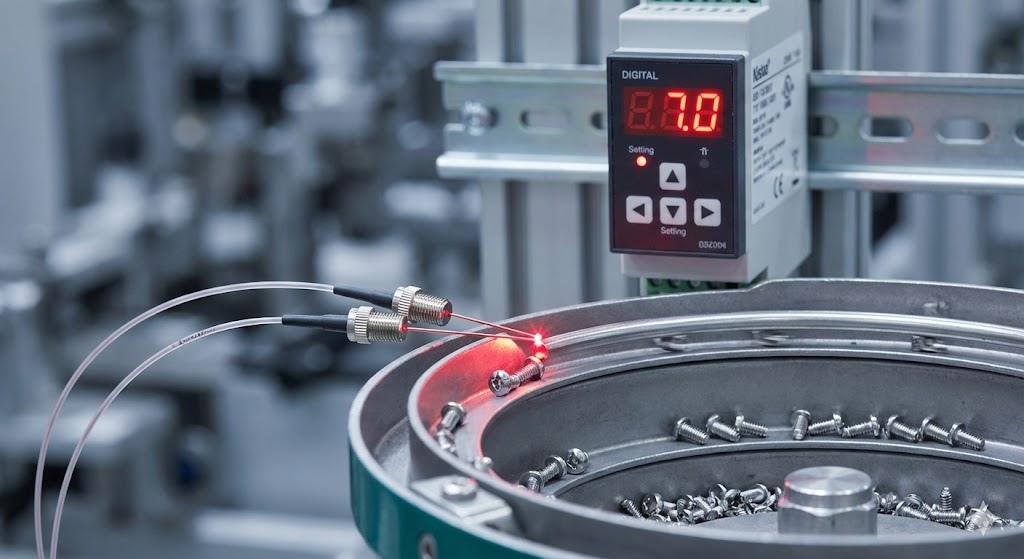
Beyond consumer electronics and manufacturing, the applications are vast. In automotive systems, proximity sensors are integral to parking assistance systems, providing audible or visual cues to prevent collisions. They enable touchless faucets and soap dispensers in public restrooms, promoting hygiene. In the realm of security, they form part of intrusion detection systems, sensing when a door or window is approached or opened. Even in retail, they can trigger welcome messages or informational displays as customers approach a kiosk.
The advantages of using proximity sensors are compelling. Their non-contact nature means no mechanical wear and tear, leading to exceptional longevity and reliability. They can operate at high speeds, detecting objects passing by in milliseconds, which is crucial for high-throughput industrial environments. Furthermore, they perform consistently in harsh conditions where physical contact switches would fail—resisting dust, moisture, and extreme temperatures when properly housed. This reliability translates into reduced maintenance costs and minimized system downtime.
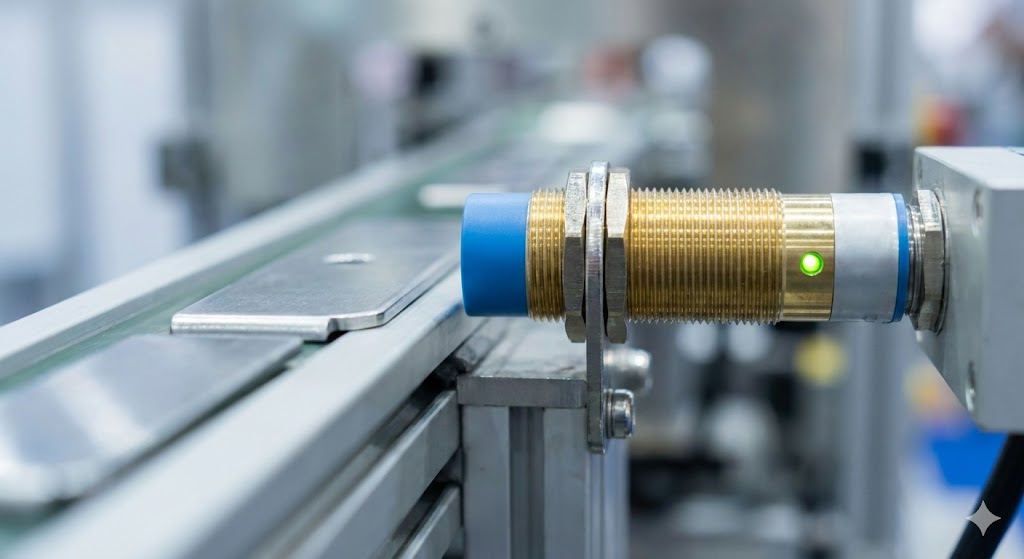
When integrating a proximity sensor, several technical specifications demand attention. The sensing range, or the maximum distance at which the sensor can reliably detect a target, is paramount. The repeatability, or how consistently it detects an object at the same point, affects precision. Environmental factors like temperature fluctuations, presence of contaminants, or electrical noise can influence performance and must be accounted for in the design. Proper installation is also key; sensors must be mounted securely and aligned correctly to avoid false triggers from background objects or missed detections.
Looking forward, the function of proximity sensors is becoming more sophisticated with integration into the Internet of Things (IoT). Smart sensors now come with embedded digital processors and communication protocols, allowing them to not just detect an object, but also communicate data about its distance, speed, and even predict maintenance needs. This evolution is pushing proximity sensing from a simple binary switch to an intelligent data point within larger connected systems, enabling predictive analytics and more autonomous machine behavior.
In conclusion, the proximity sensor is a fundamental enabling technology of the automated world. Its primary function—contactless detection—may seem straightforward, but the implications are profound. From unlocking a smartphone screen to safeguarding complex robotic assembly lines, these sensors provide the essential feedback that allows machines to interact intelligently and safely with their physical environment. As technology advances towards greater autonomy and interconnectivity, the humble proximity sensor will continue to be a critical, albeit invisible, facilitator of innovation and efficiency.