In the realm of automation, safety, and interactive technology, the ability to detect the presence or absence of an object or person without physical contact is fundamental. This capability is provided by human proximity sensors. These devices are engineered to sense when a human being is within a predetermined range, triggering a specific output. Understanding the core principle behind their operation reveals why they are so versatile and reliable across numerous industries.
At its heart, a human proximity sensor operates on the principle of emitting a field or a beam of energy and detecting changes in that field caused by the intrusion of a person. The key is that no physical touch is required; detection occurs through the interaction of energy with the human body. The most common energy forms used are infrared light, ultrasonic sound waves, and capacitive fields. Each type leverages a distinct physical phenomenon.
Passive Infrared (PIR) sensors are perhaps the most widespread for human detection in security and lighting. They do not emit infrared energy themselves. Instead, they are designed to detect the infrared radiation naturally emitted by the human body. All objects with a temperature above absolute zero emit infrared radiation. A PIR sensor contains a pyroelectric material that generates an electrical signal when exposed to infrared radiation. The sensor is typically paired with a Fresnel lens that divides the detection area into multiple zones. When a warm body, like a person, moves from one zone to another, the sensor detects a rapid change in the infrared energy pattern, which it interprets as motion. This principle makes PIR sensors excellent for motion-activated lights or security alarms but less ideal for detecting a completely stationary person.
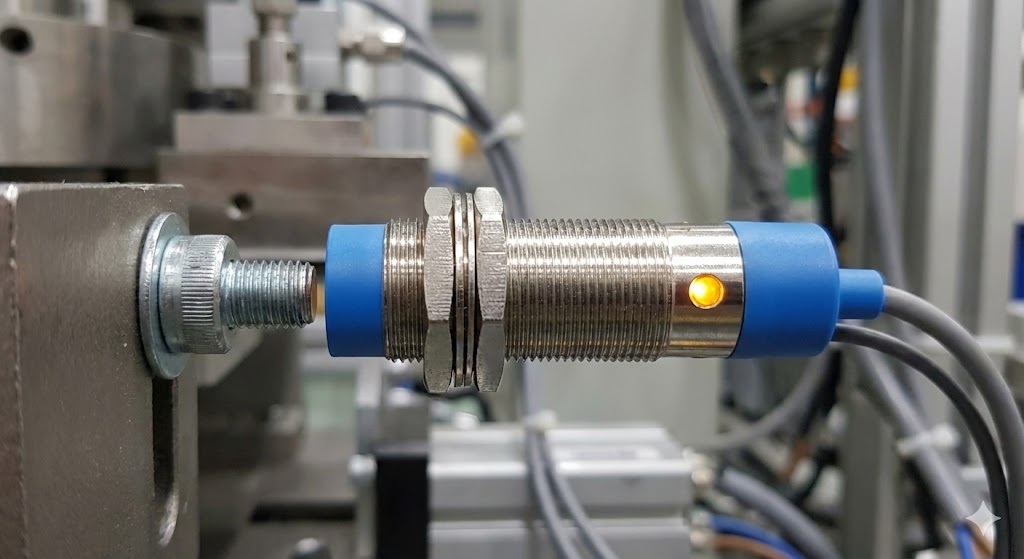
Active Infrared sensors, often used in touchless faucets or automatic doors, involve both an emitter and a receiver. An infrared LED emits a beam of light. When a person's hand or body interrupts this beam, the receiver notes the drop in received signal, prompting an output. Some advanced systems use modulated infrared signals to avoid interference from ambient light.
Ultrasonic proximity sensors operate on a similar active principle but use sound waves beyond human hearing. The sensor emits high-frequency ultrasonic pulses and listens for their echo. The time interval between emission and echo reception is used to calculate the distance to an object (Time-of-Flight principle). When a person enters the sensing field, the reflected sound waves return faster, and the sensor detects the changed distance. These sensors are effective even if the person is not moving and can work in dusty or foggy environments where optical sensors might struggle.
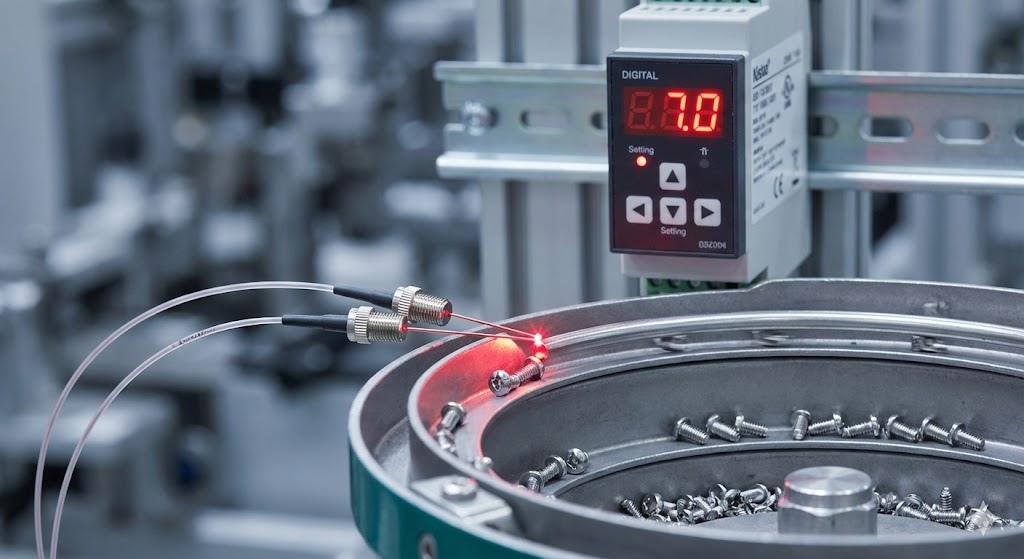
Capacitive proximity sensors work on a different principle altogether: they detect changes in capacitance. The sensor face forms one plate of a capacitor, with the earth ground acting as the other plate. This setup creates an electrostatic field. When a human body, which is conductive, enters this field, it alters the capacitance of the system. The sensor's internal oscillator circuit detects this change and triggers a switch. This technology is highly sensitive and can detect a human through thin non-conductive materials like wood or glass, making it suitable for applications like touch-sensitive buttons or safety guards on machinery.
The choice of sensor principle depends heavily on the application's specific requirements. PIR sensors are cost-effective for basic motion detection. Active infrared offers precise beam-breaking detection. Ultrasonic sensors provide reliable presence detection regardless of movement or environmental conditions. Capacitive sensors offer high sensitivity for short-range, material-penetrating detection.
In practical application, these principles enable countless functions. In industrial safety, capacitive or light curtain sensors create an invisible barrier around dangerous machinery, stopping operation if a worker gets too close. In consumer electronics, smartphones use a combination of infrared or capacitive sensors to turn off the display during a phone call when held to the ear, saving power and preventing accidental screen touches. In public sanitation, infrared sensors enable touchless faucets, soap dispensers, and flushes, promoting hygiene. In building automation, they control lighting and HVAC systems, activating them only when occupants are present, leading to significant energy savings.
The ongoing evolution integrates these sensors with microprocessors and IoT connectivity, leading to smarter systems. Modern sensors can differentiate between human and non-human movement, gauge approximate distance with higher accuracy, and communicate data for analytics. Despite the advancing complexity, the foundational working principles—detecting changes in infrared radiation, reflected sound waves, or capacitive fields—remain the robust, invisible force that allows machines to sense our presence, making technology safer, more efficient, and more interactive.