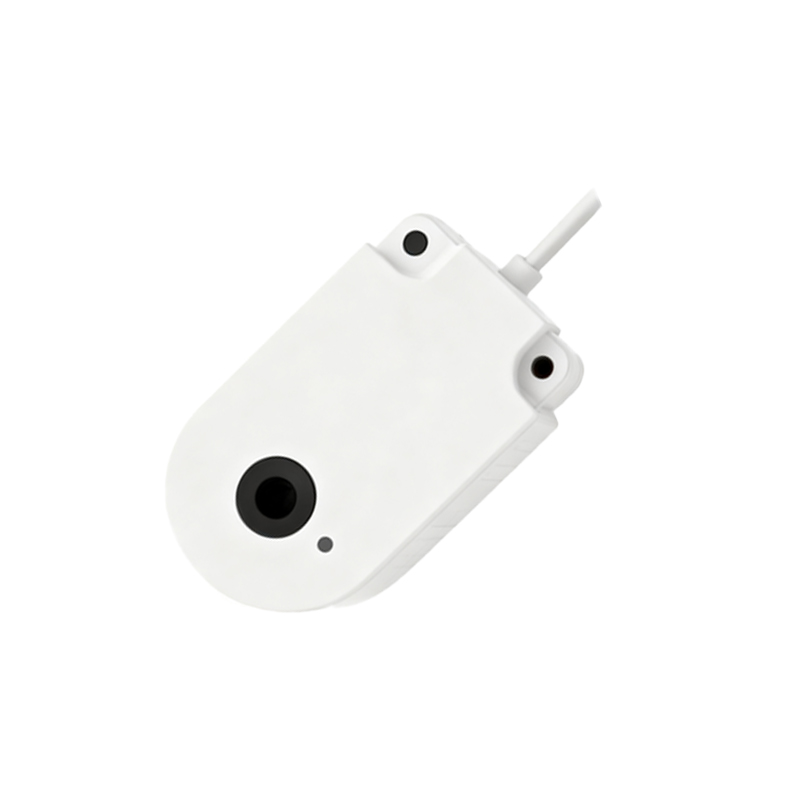
Proximity sensors are fundamental components in modern industrial automation, providing non-contact detection of objects within their sensing range without physical interaction. These devices are widely used across manufacturing, packaging, robotics, and automotive industries due to their reliability, durability, and precision. Standard proximity sensors operate based on several distinct physical principles, each suited to specific applications and environmental conditions. This article explores the core working mechanisms of the most common types: inductive, capacitive, and magnetic proximity sensors.
Inductive proximity sensors are primarily used for detecting metallic objects. They consist of an oscillator circuit that generates a high-frequency electromagnetic field from a coil wound around a ferrite core. When a conductive metal target enters this field, eddy currents are induced on the surface of the target. These eddy currents draw energy from the oscillator, causing a reduction in oscillation amplitude. The sensor's detection circuit monitors this amplitude change and triggers a switching output—typically a solid-state transistor—when the amplitude drops below a predefined threshold. Inductive sensors are highly effective for ferrous and non-ferrous metals but are insensitive to non-metallic materials. Their sensing range depends on the target's material properties, size, and shape, with typical ranges from a few millimeters to about 60 millimeters. Key advantages include resistance to environmental contaminants like dust, oil, and moisture, making them ideal for harsh industrial settings.
Capacitive proximity sensors, in contrast, can detect both metallic and non-metallic objects, including liquids, plastics, glass, and wood. They operate by generating an electrostatic field between two electrodes: one active electrode (sensing face) and one reference electrode (usually the sensor housing). The oscillator circuit creates an alternating electric field. When any object with a dielectric constant different from air enters this field, it alters the capacitance between the electrodes. This change in capacitance affects the oscillator's amplitude, which is detected by the subsequent circuit to produce an output signal. Capacitive sensors often include sensitivity adjustment potentiometers to compensate for different materials or to ignore interfering backgrounds. They are commonly used in level detection for liquids or granular materials, as well as in applications involving non-metallic product presence verification. However, they can be influenced by humidity or conductive dust, requiring careful installation.
Magnetic proximity sensors, also known as reed switches or Hall effect sensors, detect the presence of magnetic fields, typically from permanent magnets. Reed switch sensors contain two ferromagnetic reeds sealed in a glass tube filled with inert gas. When a magnetic field approaches, the reeds magnetize and attract each other, closing an electrical contact to complete a circuit. Hall effect sensors, on the other hand, utilize semiconductor elements that generate a voltage difference (Hall voltage) when exposed to a magnetic field, which is then processed by integrated electronics to switch an output. Magnetic sensors are highly reliable for position sensing in cylinders, valves, or doors, offering long operational life and immunity to non-magnetic contaminants. They are often employed in safety applications, such as detecting whether a guard door is securely closed.
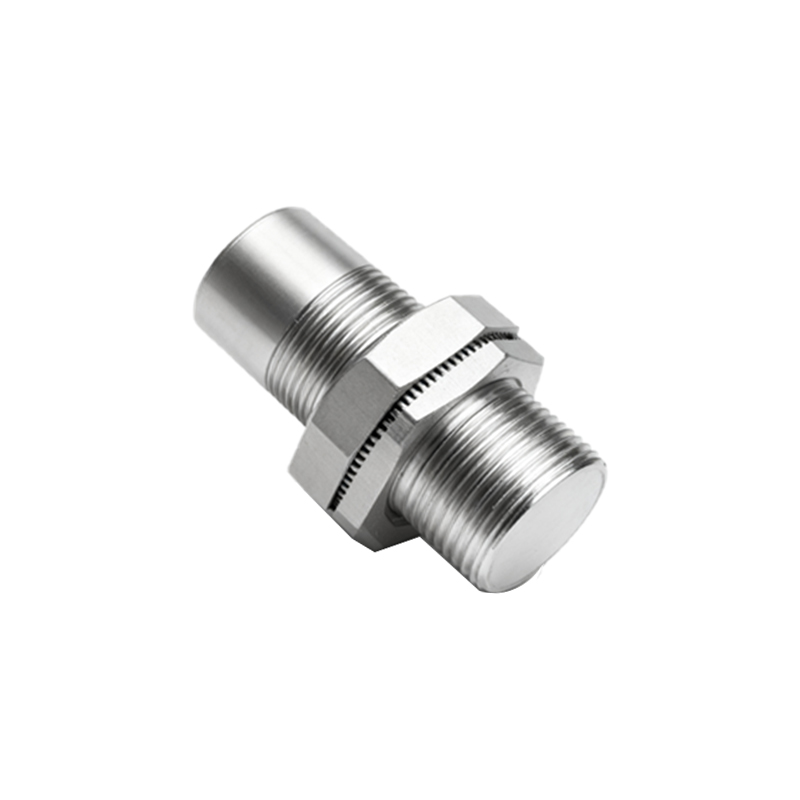
Beyond these primary types, ultrasonic and photoelectric proximity sensors also exist but are often categorized separately due to their different operational principles. Regardless of type, standard proximity sensors share common design features: they are typically housed in rugged metal or polymer casings rated for IP67 or higher protection, provide various output configurations (e.g., NPN, PNP, analog, or IO-Link), and operate on DC or AC supply voltages. Selection depends on factors like target material, required sensing distance, environmental conditions, response speed, and electrical interface.
In summary, understanding the working principles of standard proximity sensors enables engineers to optimize their selection and integration into automated systems. Inductive sensors excel with metals, capacitive sensors offer material versatility, and magnetic sensors provide precise magnetic field detection. By leveraging these technologies, industries enhance efficiency, safety, and productivity in countless applications.