In the dynamic landscape of industrial automation, precision, reliability, and efficiency are non-negotiable. At the heart of countless automated systems lies a critical component: the proximity sensor. As a dedicated proximity sensor specialist, we understand that selecting the right sensor is not merely a purchase—it’s a strategic decision impacting your entire production line's performance, safety, and uptime. This article delves into the core offerings and expertise of a true proximity sensor specialty store, guiding you through why specialized knowledge is indispensable in this field.
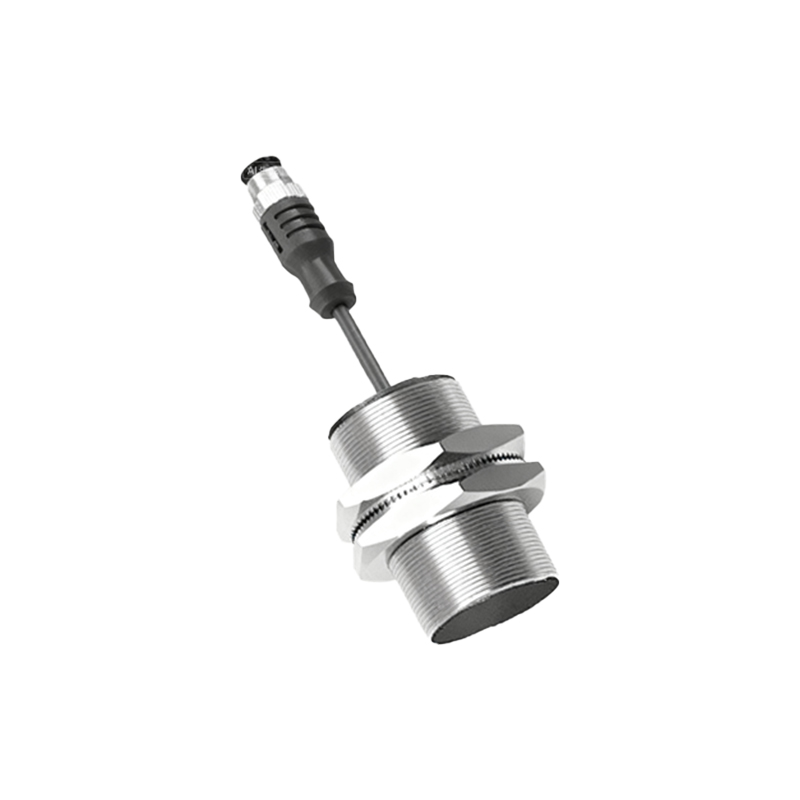
Proximity sensors, in their various forms—inductive, capacitive, ultrasonic, and photoelectric—serve as the "eyes" and "touch" of machinery. They detect the presence or absence of objects without physical contact, enabling precise control in applications ranging from assembly and packaging to material handling and robotic guidance. An inductive sensor, for instance, is ideal for detecting metallic objects in harsh environments, while a capacitive sensor can handle non-metallic materials like wood, plastic, or liquids. The nuances of each technology—sensing range, output type (PNP/NPN, analog, IO-Link), housing material, and environmental ratings (IP67, IP69K)—require deep technical understanding. A general electronics supplier may offer a catalog, but a specialist provides consultation, ensuring the sensor matches the specific electromagnetic conditions, temperature extremes, and mechanical stresses of your application.
What sets a proximity sensor specialty shop apart is vertical integration of product, knowledge, and support. Firstly, inventory is curated with depth, not just breadth. This means stocking not only the ubiquitous standard models from leading manufacturers like Siemens, Omron, Pepperl+Fuchs, and Balluff but also specialized variants: high-temperature sensors for foundries, weld-field immune models for robotic welding cells, and factor-1 cylindrical sensors for precise positioning. Availability is key; downtime is costly, and a specialist maintains strategic stock levels for critical components, often offering same-day shipping for urgent replacements.
Secondly, expertise is the cornerstone. Our engineers and technical sales team possess hands-on experience across industries—automotive, food and beverage, pharmaceuticals, and logistics. We don’t just read datasheets; we solve problems. Can a standard sensor be affected by nearby motor drives? What is the optimal mounting configuration to avoid sensing drift? How to integrate IO-Link sensors for predictive maintenance data collection? These are daily discussions. We provide detailed application reviews, sample testing, and custom configuration services, such as special cable lengths or connector types, which are typically unavailable through broad-line distributors.
Thirdly, support extends beyond the point of sale. A specialist shop is a partner in your operation. We offer comprehensive technical documentation, CAD models for easy integration into machine designs, and clear wiring diagrams. Troubleshooting assistance is readily available, helping you diagnose installation issues or electrical interference problems quickly. Furthermore, we stay ahead of trends, advising on the integration of smart sensors with Industrial Internet of Things (IIoT) platforms, enabling condition monitoring and data-driven optimization.
Choosing a proximity sensor specialist translates to tangible benefits: reduced machine setup time, minimized false triggers and production errors, extended sensor lifespan through correct selection, and ultimately, lower total cost of ownership. It’s about investing in certainty. When you source from a specialty store, you gain more than a component; you gain a resource—a team committed to ensuring your sensing applications perform flawlessly, day in and day out.
In conclusion, for engineers, maintenance managers, and system integrators, partnering with a dedicated proximity sensor specialist is a strategic advantage. It ensures access to the right technology, backed by profound application knowledge and unwavering support, safeguarding the reliability and efficiency of your automated processes. In an era where automation precision defines competitive edge, don’t settle for generic supply. Choose specialization. Choose the experts who live and breathe sensing technology.