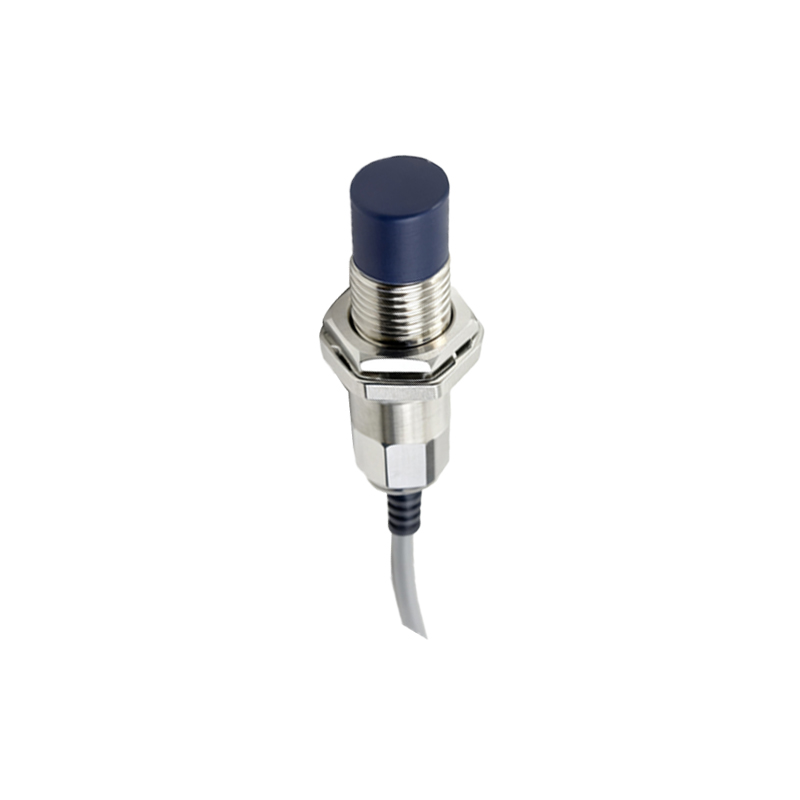
In the realm of electrical engineering, proximity sensors have emerged as indispensable components, revolutionizing automation and control systems. These devices, often referred to as "play" proximity sensors in colloquial industry terms, detect the presence or absence of objects without physical contact, leveraging various technologies such as inductive, capacitive, and optical principles. Their ability to operate reliably in harsh environments—ranging from industrial manufacturing floors to precision electronic assemblies—makes them a cornerstone of modern engineering solutions.
Proximity sensors function by emitting an electromagnetic field or beam and monitoring changes in the return signal. Inductive sensors, for instance, are ideal for detecting metallic objects, utilizing a coil and oscillator to generate a field that disturbs when metal enters its range. Capacitive sensors, on the other hand, can sense both metallic and non-metallic materials by measuring changes in capacitance. Optical proximity sensors, including infrared and laser types, rely on light beams to identify objects, offering high accuracy for applications requiring fine detection. The term "play" in this context often denotes the sensor's operational flexibility or tolerance in positioning, allowing for minor adjustments without compromising performance—a critical feature in dynamic setups like robotic arms or conveyor systems.
The applications of proximity sensors span diverse sectors. In automotive manufacturing, they ensure precise assembly by detecting parts on production lines, enhancing efficiency and reducing errors. In consumer electronics, these sensors enable touchless interfaces, such as automatic screen dimming in smartphones when held near the face. Industrial automation heavily relies on them for safety mechanisms, like halting machinery when an object encroaches on a danger zone. Moreover, in smart infrastructure, proximity sensors contribute to energy conservation by controlling lighting and HVAC systems based on occupancy. Their integration with IoT platforms has further expanded their utility, enabling real-time data collection and predictive maintenance in Industry 4.0 environments.
When selecting a proximity sensor, engineers must consider factors like sensing range, response time, environmental conditions, and output type (e.g., digital or analog). For example, in high-vibration settings, ruggedized sensors with robust housings are preferred to prevent false triggers. Calibration and alignment also play a crucial role; improper installation can lead to reduced sensitivity or operational failures. Regular maintenance, including cleaning lenses or checking for interference, ensures longevity and accuracy. As technology advances, innovations like miniaturized sensors and AI-enhanced detection are pushing boundaries, allowing for more compact and intelligent systems.
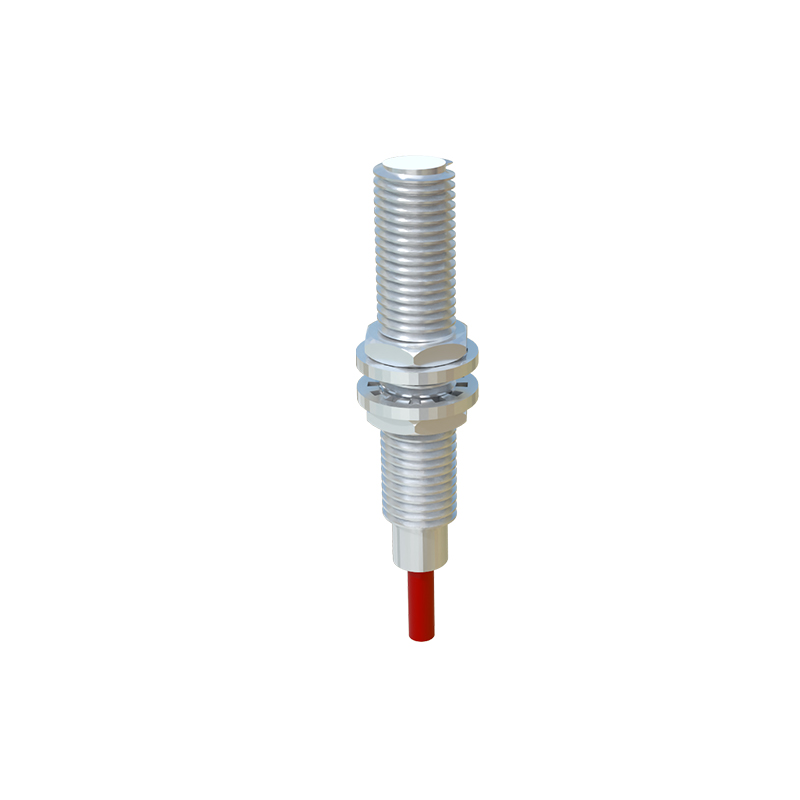
In summary, proximity sensors, or "play" sensors, are vital tools in electrical engineering, driving automation and innovation. Their non-contact nature, adaptability, and reliability make them essential for optimizing processes across industries. By understanding their principles and applications, engineers can harness their full potential to create smarter, safer, and more efficient solutions for the future.