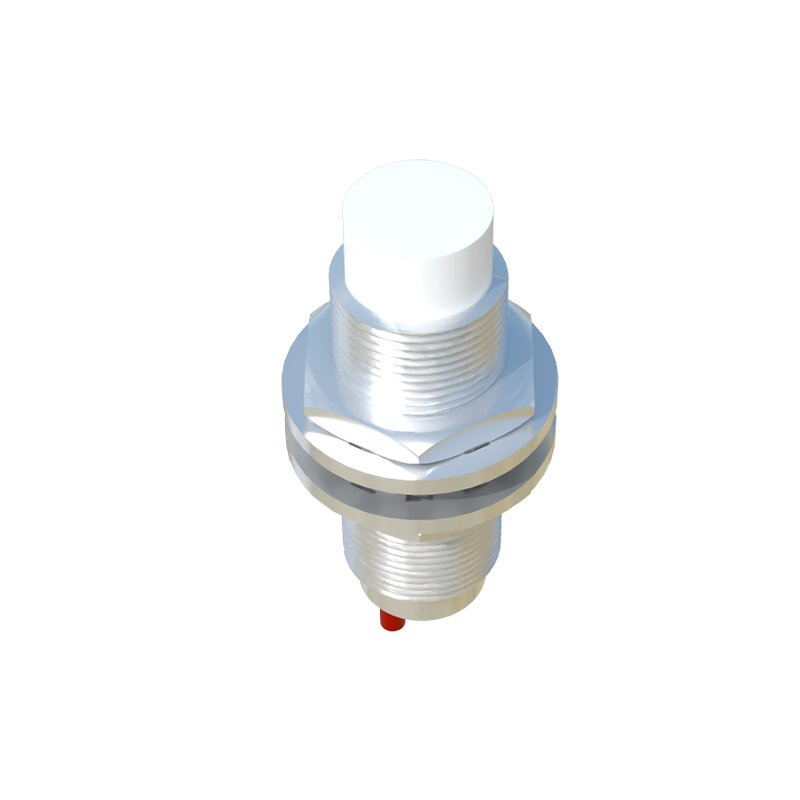
In the realm of industrial automation, proximity sensors play a pivotal role in detecting the presence or absence of objects without physical contact. Among the diverse range of proximity sensors available, E2B series sensors, particularly inductive and capacitive types, are widely recognized for their reliability and precision in harsh environments. This article delves into the key specifications of E2B proximity sensors, providing engineers and technicians with essential insights for selection and integration.
E2B proximity sensors are typically characterized by their sensing distance, which varies based on the model and sensing principle. Inductive E2B sensors, designed for metal detection, offer standard sensing ranges from 1 mm to 40 mm, with factors like target material and size influencing performance. For instance, a sensor rated for 10 mm may require adjustment when detecting non-ferrous metals. Capacitive E2B sensors, suitable for non-metallic materials such as liquids or plastics, often have shorter ranges but higher sensitivity to material composition. It is crucial to consult datasheets for exact values, as environmental conditions like temperature fluctuations can impact sensing distance.
Another critical specification is the output type, which determines compatibility with control systems. E2B sensors commonly feature NPN or PNP transistor outputs, with 2-wire, 3-wire, or 4-wire configurations. NPN outputs, often termed sinking, connect the load to the positive voltage, while PNP (sourcing) outputs link to ground. Selection depends on the PLC or controller input requirements. Additionally, analog outputs (e.g., 0-10 V or 4-20 mA) are available for continuous measurement applications, such as level detection. Engineers must verify voltage ratings, typically 10-30 V DC, to ensure safe operation within circuit designs.
Environmental durability is a hallmark of E2B sensors, reflected in IP (Ingress Protection) ratings like IP67 or IP69K. These ratings indicate resistance to dust and water ingress, making E2B sensors suitable for washdown areas or outdoor use. Operating temperature ranges, usually from -25°C to 70°C, ensure functionality in extreme conditions. Vibration and shock resistance are also specified, with many models enduring up to 10 G acceleration. For industries like automotive or food processing, material construction—such as stainless steel housings—adds corrosion resistance and longevity.
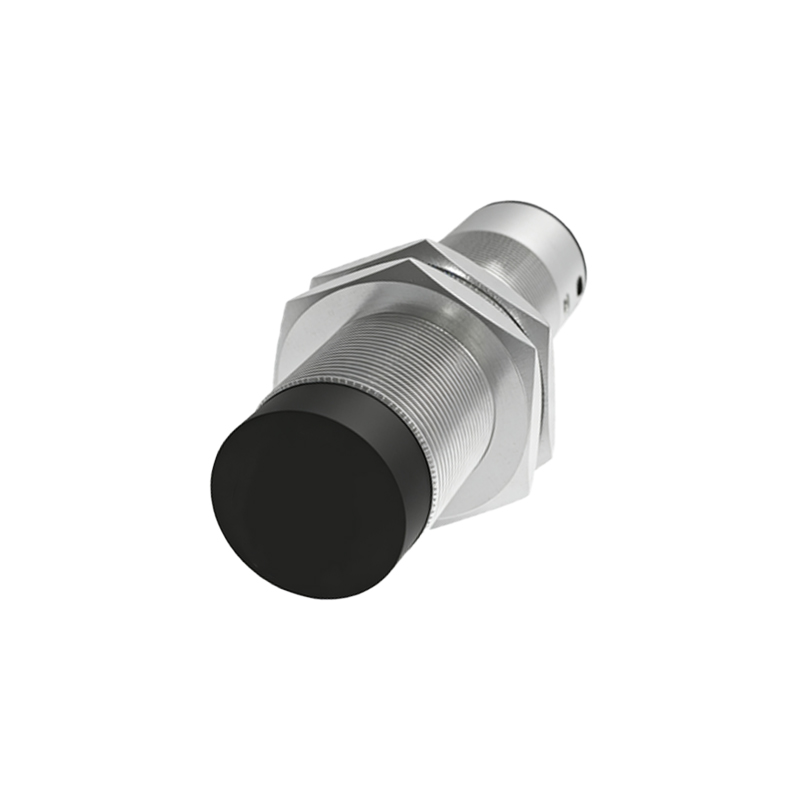
Response time and switching frequency are vital for high-speed applications. E2B sensors boast fast response times, often under 1 ms, enabling rapid detection in conveyor systems or robotic arms. Switching frequencies can reach several kHz, allowing for precise timing in automated processes. However, users should account for factors like target speed and sensor alignment to avoid false triggers. Hysteresis, the difference between switch-on and switch-off points, is another specification that enhances stability by preventing output chatter near the sensing edge.
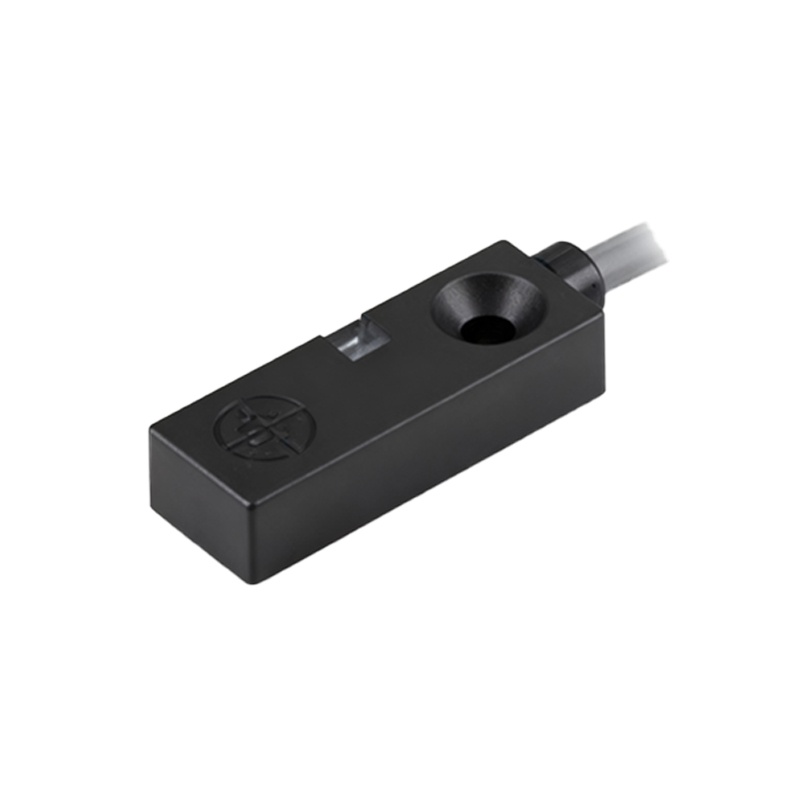
Installation and wiring considerations include barrel size (e.g., M8, M12, M18, or M30 threaded housings) and connection types like quick-disconnect cables or pre-wired versions. Proper mounting, avoiding metal interference, and adhering to cable length limits (typically up to 100 meters with shielded cables) are essential for optimal performance. Many E2B sensors feature LED indicators for status monitoring, simplifying troubleshooting during maintenance.
In summary, E2B proximity sensors offer robust solutions for diverse industrial needs. By understanding specifications such as sensing distance, output type, environmental ratings, and response characteristics, professionals can enhance system efficiency and reliability. Always refer to manufacturer guidelines and conduct real-world testing to ensure compatibility with specific applications.