In the rapidly evolving landscape of automotive technology, laser sensor modules have emerged as a cornerstone for advanced driver-assistance systems (ADAS) and autonomous driving functionalities. These sophisticated components, often based on LiDAR (Light Detection and Ranging) technology, provide vehicles with a high-resolution, three-dimensional perception of their surroundings. Unlike traditional radar or camera systems, laser sensors emit pulsed light waves to measure distances with exceptional accuracy, creating detailed point-cloud maps of the environment in real-time. This capability is fundamental for critical operations such as adaptive cruise control, automatic emergency braking, pedestrian detection, and lane-keeping assistance.
The operational principle of an automotive laser sensor module involves emitting laser beams and calculating the time it takes for the light to reflect off objects and return to the sensor. This time-of-flight (ToF) data is processed to generate precise distance measurements. Modern solid-state LiDAR modules, in particular, offer significant advantages over earlier mechanical scanning systems. They are more compact, durable, and cost-effective, facilitating seamless integration into vehicle designs—from discreet placements in grilles and bumpers to rooftop installations. Their ability to function reliably under diverse weather conditions, though with some limitations in heavy fog or rain, continues to improve with advanced signal processing algorithms.
From an engineering perspective, the development of these modules focuses on key parameters: range, resolution, field of view, and data acquisition speed. Long-range detection (often exceeding 200 meters) is crucial for highway driving, while a wide field of view ensures comprehensive coverage of the vehicle's immediate vicinity. High resolution allows the system to distinguish fine details, such as the shape of a pedestrian or a small obstacle on the road. Moreover, the integration of laser sensor data with inputs from cameras, radars, and ultrasonic sensors through sensor fusion algorithms creates a robust and redundant perception system. This multi-modal approach is essential for achieving the high levels of safety and reliability required for autonomous vehicles.
The automotive industry's shift towards electrification and autonomy further accelerates the adoption of laser sensing technology. Major manufacturers and technology suppliers are investing heavily in R&D to enhance performance while reducing costs. Future trends point toward the development of even more integrated, software-defined sensor systems with improved power efficiency and advanced AI-driven object classification. As regulatory frameworks evolve to mandate higher safety standards, laser sensor modules will undoubtedly play an increasingly pivotal role in shaping the future of mobility, making roads safer for all users.
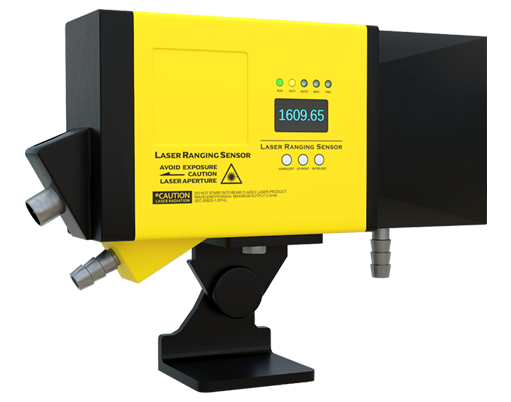
In conclusion, automotive laser sensor modules represent a critical technological leap, providing the precise environmental awareness necessary for next-generation vehicles. Their continuous advancement supports the automotive industry's journey toward fully autonomous driving, underscoring their importance in the ecosystem of vehicle safety and intelligence. Engineers and designers must continue to innovate in this space, addressing challenges related to cost, scalability, and performance under all operational conditions.
