In the rapidly evolving landscape of industrial automation and smart electronics, proximity sensors have become indispensable components. Among these, 3C proximity sensors—often referring to sensors designed for the Computer, Communication, and Consumer Electronics sectors—stand out for their precision, reliability, and integration capabilities. This article delves into the core principles, diverse applications, and critical factors for selecting the right 3C proximity sensor for your needs.
At its essence, a proximity sensor is a device that detects the presence or absence of an object within a specific range without physical contact. 3C proximity sensors typically utilize technologies such as inductive, capacitive, or optical sensing. Inductive sensors are ideal for detecting metallic objects, operating on the principle of electromagnetic induction. When a metal target enters the sensor's electromagnetic field, it induces eddy currents, causing a change in oscillation amplitude that triggers detection. Capacitive sensors, on the other hand, can detect both metallic and non-metallic materials (like plastics, liquids, or wood) by measuring changes in capacitance when an object alters the sensor's electrostatic field. Optical proximity sensors use infrared light beams, detecting objects based on light reflection or interruption. The choice among these technologies hinges on the target material, required sensing distance, environmental conditions, and application-specific demands.
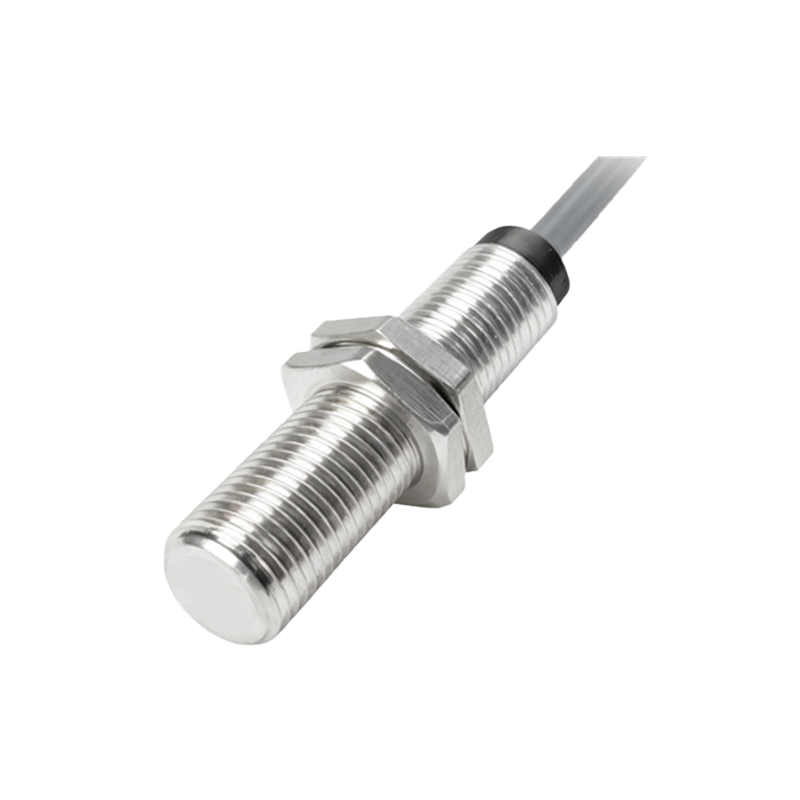
The applications of 3C proximity sensors are vast and integral to modern manufacturing and device functionality. In computer hardware manufacturing, these sensors ensure precise component placement on circuit boards, detect disk drive head positions, and manage printer paper feed mechanisms. Within communication infrastructure, they facilitate antenna positioning in base stations, monitor fiber-optic alignment, and enable touchless interfaces in networking equipment. For consumer electronics, 3C proximity sensors are ubiquitous: they disable smartphone touchscreens during calls to prevent accidental inputs, control automatic backlight dimming in laptops based on user presence, and enable gesture recognition in smart home devices like TVs or speakers. Additionally, in automated assembly lines for electronics, these sensors provide object counting, position verification, and robotic guidance, enhancing efficiency and reducing errors.
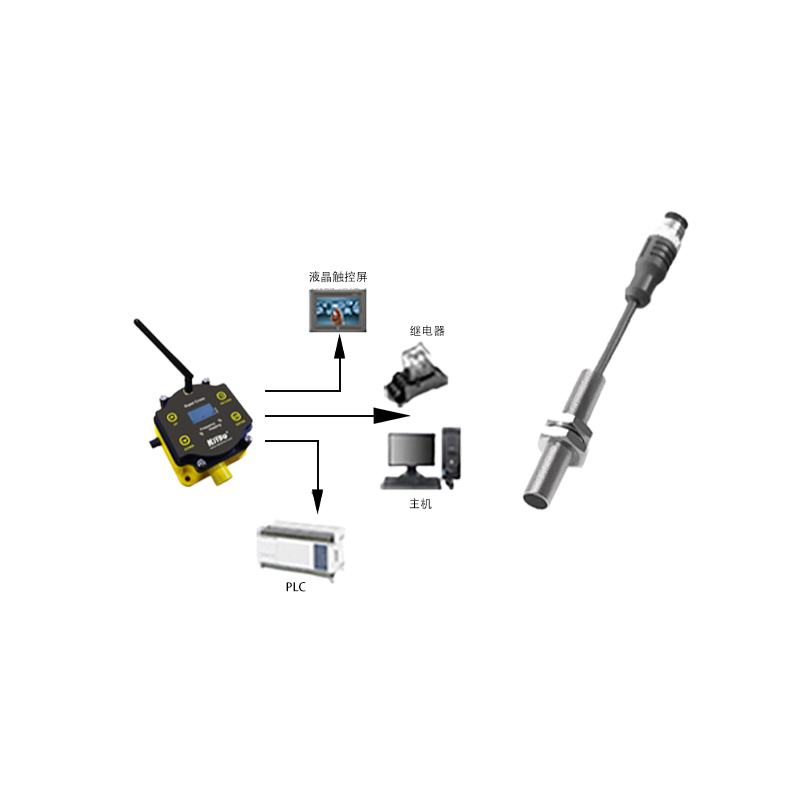
Selecting the appropriate 3C proximity sensor requires careful consideration of several parameters. First, define the sensing range—the maximum distance at which the sensor can reliably detect an object. For compact consumer devices, short-range sensors (a few millimeters) are common, while industrial setups may need longer ranges. Next, consider the target material; inductive sensors suit metals, capacitive sensors handle diverse materials, and optical sensors work well for precise, clean environments. Environmental factors like temperature extremes, humidity, dust, or oil contamination can impact performance, necessitating sensors with suitable ingress protection (IP) ratings. Output type is another key decision: digital outputs (like NPN or PNP transistors) offer simple on/off signals, while analog outputs provide continuous distance information for more complex control. Response time, or how quickly the sensor reacts to a target, is critical in high-speed applications. Finally, physical size and mounting options must align with spatial constraints in devices or machinery.
Installation and maintenance practices significantly influence sensor longevity and accuracy. Ensure proper alignment between the sensor and target, avoiding obstructions in the sensing path. For inductive and capacitive sensors, maintain a stable power supply to prevent signal fluctuations. Regular cleaning of optical sensor lenses prevents false triggers from dust accumulation. Calibration may be needed over time, especially in precision applications. Adhering to manufacturer guidelines for operating voltage, load current, and temperature ranges will optimize performance and prevent premature failure.
Looking ahead, advancements in 3C proximity sensors are driven by trends like miniaturization, increased intelligence, and enhanced connectivity. The integration of Internet of Things (IoT) capabilities allows sensors to transmit real-time data for predictive maintenance and system optimization. Developments in materials science may lead to more robust sensors capable of operating in harsher conditions. Furthermore, the rise of artificial intelligence could enable sensors to distinguish between object types or adapt sensing parameters autonomously.
In conclusion, 3C proximity sensors are vital enablers of automation and smart functionality across industries. By understanding their operating principles, recognizing their applications, and methodically evaluating selection criteria, engineers and designers can leverage these sensors to improve product performance, ensure safety, and drive innovation. As technology progresses, these components will continue to evolve, offering even greater precision and versatility for the connected world.