In the rapidly evolving landscape of industrial automation and smart manufacturing, the demand for precision, reliability, and adaptability has never been higher. At the heart of countless automated systems lie proximity sensors, the silent sentinels that detect the presence or absence of objects without physical contact. While off-the-shelf sensors serve many applications adequately, a growing number of complex, mission-critical, or unique operational environments necessitate a different approach: custom-engineered proximity sensor solutions. Specialized custom proximity sensor enterprises have emerged as vital partners in this domain, bridging the gap between standard technology and specific industrial challenges.
The primary driver for customization stems from the sheer diversity of industrial applications. Consider a high-speed packaging line in the food and beverage industry, where sensors must withstand frequent washdowns with corrosive chemicals, extreme temperatures, and constant vibration. A standard inductive sensor might fail prematurely. A custom solution here would involve housing materials like high-grade stainless steel (e.g., 316L), specialized potting compounds to ensure an IP69K rating, and signal conditioning electronics designed to ignore interference from variable-speed drives. Similarly, in semiconductor fabrication cleanrooms, sensors must be constructed from non-outgassing materials to prevent contamination, with designs that minimize particle generation. For heavy-duty metalworking applications like forging or stamping, sensors require exceptional resilience against mechanical shock, metal shavings, and intense electromagnetic noise. A custom sensor firm doesn't just sell a product; it engineers a component that becomes an integral, reliable part of the client's production ecosystem.
The customization process is a collaborative and iterative engineering journey. It typically begins with a deep-dive consultation where the custom sensor provider's engineers work closely with the client's technical team to fully understand the application parameters: the target material (ferrous, non-ferrous, liquid, plastic), required sensing distance, environmental factors (temperature range, humidity, pressure, presence of oils/coolants), electrical requirements (output type—PNP/NPN, analog, IO-Link; supply voltage), physical space constraints, and required certifications (ATEX for hazardous areas, UL, CE). This phase is crucial for defining the performance envelope.
Following specification finalization, the design phase commences. This may involve modifying an existing sensor platform or creating a new design from the ground up. Key engineering considerations include selecting the optimal sensing technology—inductive, capacitive, ultrasonic, or magnetic—based on the target material. The coil design in inductive sensors, for instance, can be shaped (barrel, rectangular, ring-shaped) to create specific sensing fields. The housing is then designed for durability and mounting, often using advanced CAD and simulation tools to test thermal and mechanical stress. The electronics are tailored, potentially incorporating advanced features like temperature compensation, embedded diagnostics, or wireless connectivity. Prototyping is the next critical step, where functional samples are built and subjected to rigorous in-house testing that simulates the actual operating environment, often exceeding standard specifications to ensure a safety margin.
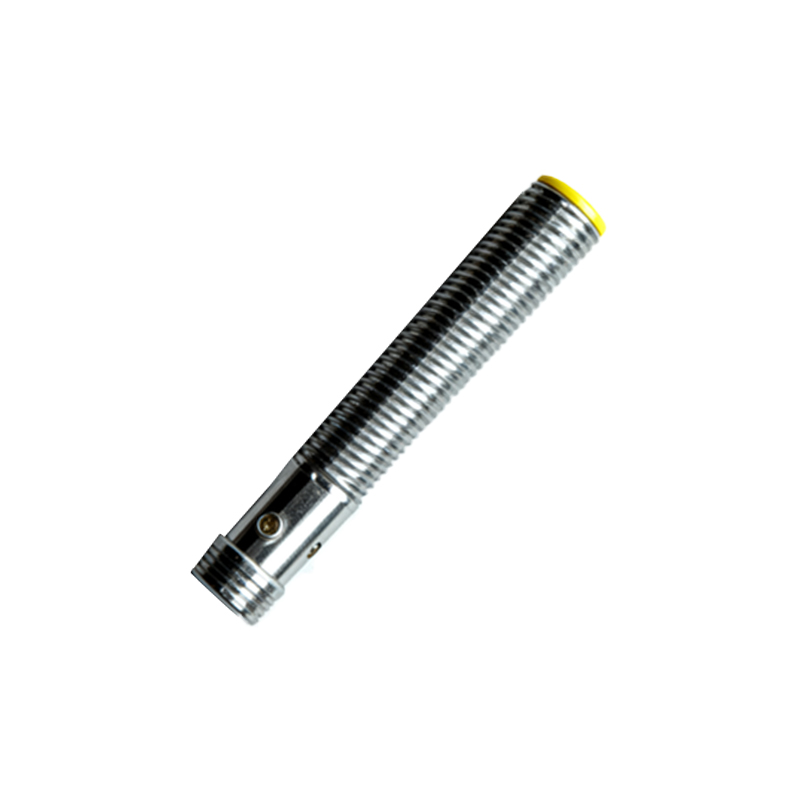
The value proposition of partnering with a dedicated custom proximity sensor manufacturer extends far beyond obtaining a unique physical device. It encompasses expertise, innovation, and long-term support. These firms possess deep domain knowledge across various industries, allowing them to anticipate challenges and propose elegant solutions. They invest in advanced R&D, exploring new materials, miniaturization techniques, and integration with Industrial Internet of Things (IIoT) platforms. For clients, this translates into reduced machine downtime, increased production efficiency, enhanced safety, and ultimately, a stronger competitive advantage. Instead of redesigning a machine to fit a standard sensor, the sensor is designed to fit the machine perfectly.
Furthermore, in an era of supply chain volatility, a strategic partnership with a capable custom sensor provider can enhance supply security. These firms often maintain control over their core design and manufacturing processes, allowing for greater flexibility in component sourcing and production scheduling. They can also manage the entire product lifecycle, from initial design through to eventual obsolescence management, providing continuity for long-lived industrial equipment.
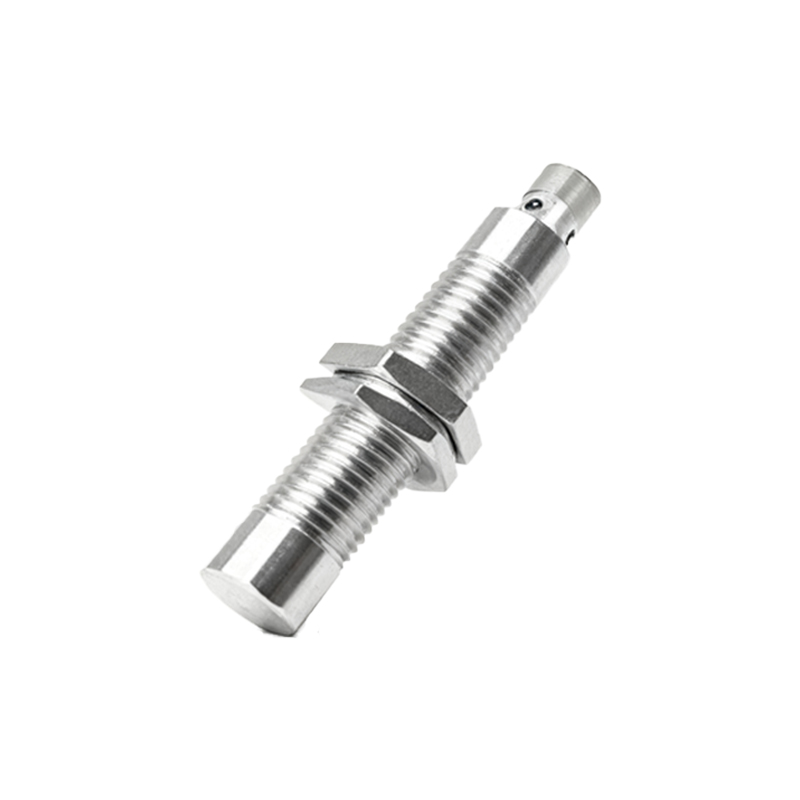
In conclusion, as industries push the boundaries of automation, robotics, and precision manufacturing, the role of custom proximity sensor specialists becomes increasingly indispensable. They are not merely component suppliers but essential innovation partners who translate specific operational challenges into robust, reliable, and intelligent sensing solutions. By offering tailored precision, these enterprises empower manufacturers to build more resilient, efficient, and advanced systems, proving that in the nuanced world of industrial sensing, one size rarely fits all. The future belongs to those who can precisely sense it, and custom engineering is the key to unlocking that capability.