Proximity sensors are fundamental components in modern industrial automation, providing non-contact detection of objects within a specified range. A critical performance parameter for any engineer or technician is the sensing distance. This distance, often termed the rated operating distance (Sn), is not a single, fixed value but a complex characteristic influenced by multiple factors. Understanding its nuances is essential for reliable system design and troubleshooting.
The rated operating distance (Sn) is defined by international standards (such as IEC 60947-5-2) as the theoretical distance at which a standard target, typically a square steel plate of defined thickness (e.g., 1mm thick Fe 360 steel), will trigger the sensor under specified conditions of voltage and temperature (usually 20-25°C). This is a nominal, idealized value provided in sensor datasheets. It serves as a baseline for comparison between different sensor models and technologies.
However, the effective sensing distance in a real-world application often deviates from Sn. Key influencing factors include:
1. Target Material: The sensing distance is calibrated for mild steel. For other materials, a correction factor must be applied. Non-ferrous metals like aluminum, brass, or copper induce weaker eddy currents in inductive sensors, reducing the effective range significantly—often to 30-50% of Sn. Stainless steel, depending on its grade, can also reduce the range. Capacitive sensors are affected by the material's dielectric constant.
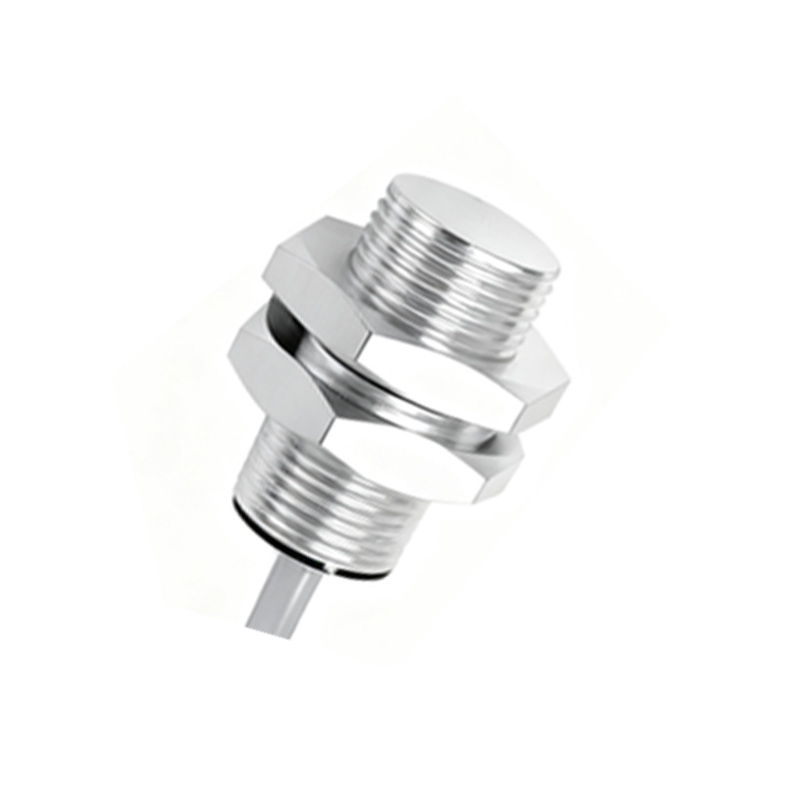
2. Target Size and Shape: The standard target is defined as a square with sides equal to the sensor's sensing face diameter or three times Sn, whichever is greater. A smaller target will not be detected at the full Sn. A round bar, for instance, presents less surface area than a flat plate, reducing the maximum detection distance.
3. Sensor Technology: Different technologies have inherent distance capabilities.
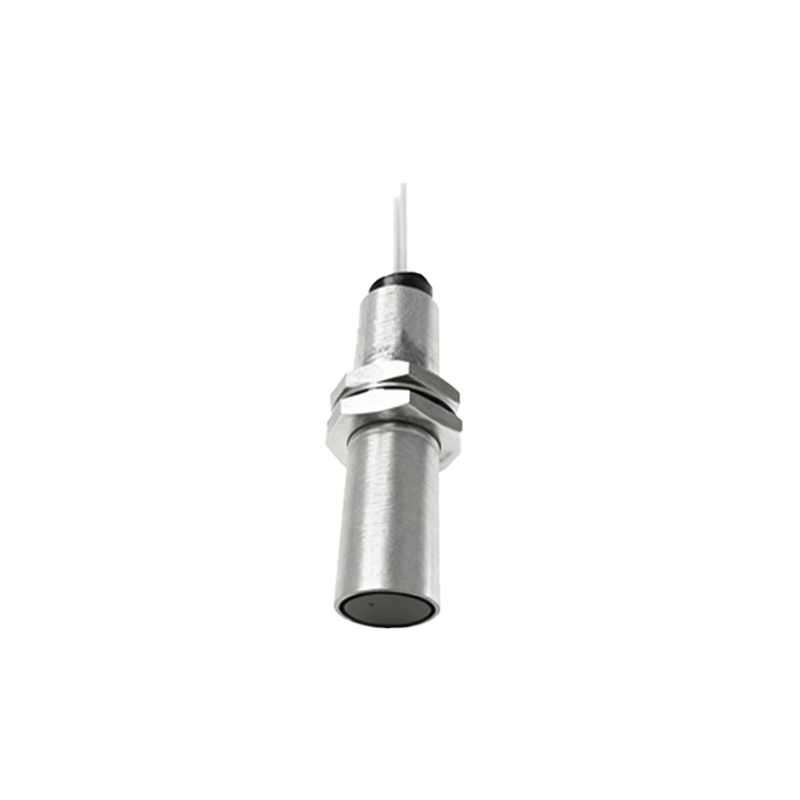
Inductive Sensors: Used for detecting metallic objects. Typical sensing ranges vary from 0.8mm to 40mm, with longer-range models available for specific applications like metal fragment detection.
Capacitive Sensors: Can detect both metallic and non-metallic materials (liquids, plastics, wood). Their sensing distance is generally shorter than inductive sensors for metals but can be adjusted via a sensitivity potentiometer. Typical ranges are up to 25mm.
Ultrasonic Sensors: Offer the longest sensing distances, from a few centimeters up to several meters, by measuring the time-of-flight of sound waves. They are suitable for a wide variety of materials but are more sensitive to environmental factors like temperature, humidity, and air turbulence.
Photoelectric Sensors: While not strictly "proximity" in the same sense, diffuse-reflective models operate on a proximity principle. Their range is highly dependent on the target's color, reflectivity, and surface texture, making it highly variable.
4. Installation and Environment: The presence of surrounding metal (flush vs. non-flush mounting for inductive sensors), temperature extremes, voltage fluctuations, and exposure to contaminants like dust, oil, or coolant can all impact the reliable sensing distance. Most sensors specify a usable distance (Su), which is 90% of Sn, and an assured operating distance (Sa), typically 81% of Sn, to account for these real-world variances like supply voltage tolerance and temperature drift.
For precise positioning applications, the repeatability of the sensing point is often more critical than the maximum distance. This is the precision with which a sensor can repeatedly detect the same target at the same distance, usually a tiny fraction of Sn (e.g., ±0.02mm).
When selecting a proximity sensor, engineers must never base their decision solely on the datasheet's Sn value. A systematic approach is required:
Define the target material, size, and required detection position.
Choose the appropriate sensor technology.
Select a sensor with a rated distance (Sn) that provides a significant safety margin (often selecting an Sn 1.5 to 2 times the required application distance).
Consider the environmental conditions and required housing material (e.g., stainless steel for washdown areas).
Account for installation constraints and mounting style.
In conclusion, the question "What is the distance of a proximity sensor?" has a layered answer. The theoretical rated distance (Sn) is the starting point, but the practical, reliable working distance is determined by a careful interplay of target properties, sensor technology, and environmental factors. Successful implementation hinges on understanding these dependencies and applying appropriate safety margins to ensure fail-safe operation in dynamic industrial environments.