In the realm of industrial automation and control, the demand for reliable, non-contact sensing solutions is paramount. Among the various technologies available, high-frequency oscillation proximity switch sensors stand out for their precision, durability, and versatility. This article delves into the operational principles, key applications, and critical factors for selecting the right sensor for specific industrial needs.
At its core, a high-frequency oscillation proximity sensor operates on the principle of electromagnetic induction. The sensor contains an oscillator circuit that generates a high-frequency electromagnetic field from its sensing face. When a metallic target enters this oscillating field, eddy currents are induced on the target's surface. These eddy currents draw energy from the oscillator, causing a change in its amplitude or frequency. An integrated evaluation circuit within the sensor detects this change and triggers a switching signal—typically opening or closing a solid-state or relay output. This entire process occurs without any physical contact, making these sensors ideal for harsh environments where wear and tear, dust, moisture, or aggressive media are concerns.
A significant advantage of this technology is its insensitivity to non-metallic materials. Since the sensing mechanism relies on inducing eddy currents, materials like plastic, wood, or liquids do not trigger the switch. This makes them exceptionally reliable for detecting metallic objects exclusively. Furthermore, the high operating frequency, often in the range of several hundred kilohertz to a few megahertz, allows for very fast response times and high switching frequencies, enabling their use in high-speed counting or positioning applications.
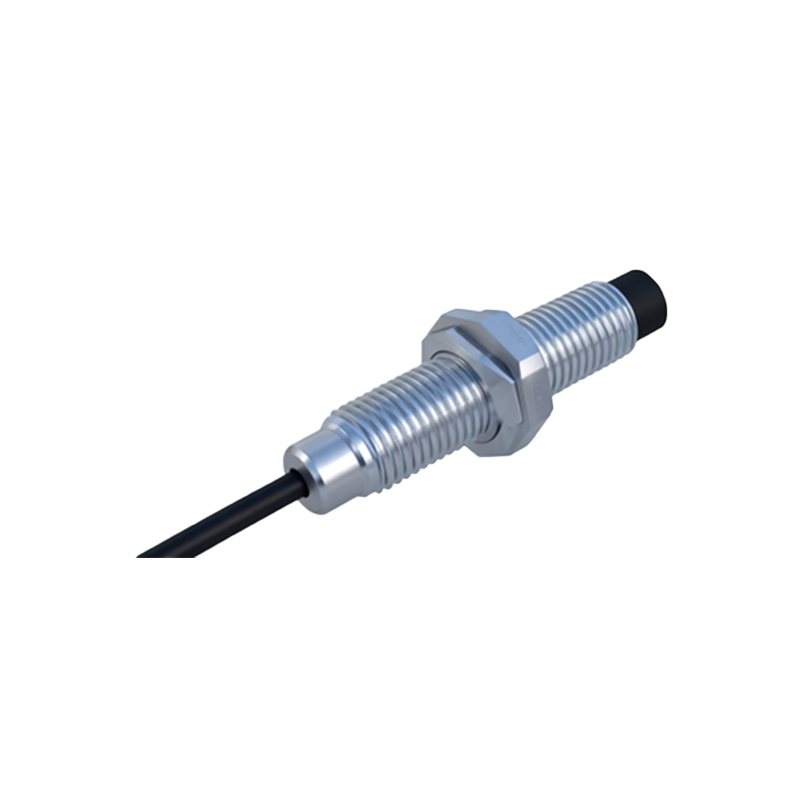
The applications for high-frequency oscillation proximity sensors are vast and span numerous industries. In automotive manufacturing, they are used for part presence verification on assembly lines, detecting pistons, gears, or other metal components. In packaging machinery, they ensure correct positioning of metal lids or cans. Within material handling and logistics, these sensors monitor the position of metal pallets, robotic arms, or conveyor systems. They are also indispensable in machine tools for tool breakage detection, end-position sensing of slides, or monitoring spindle orientation. Their robust construction, often featuring stainless steel or nickel-plated brass housings with IP67 or higher protection ratings, allows them to perform reliably in metalworking environments filled with coolant and chips.
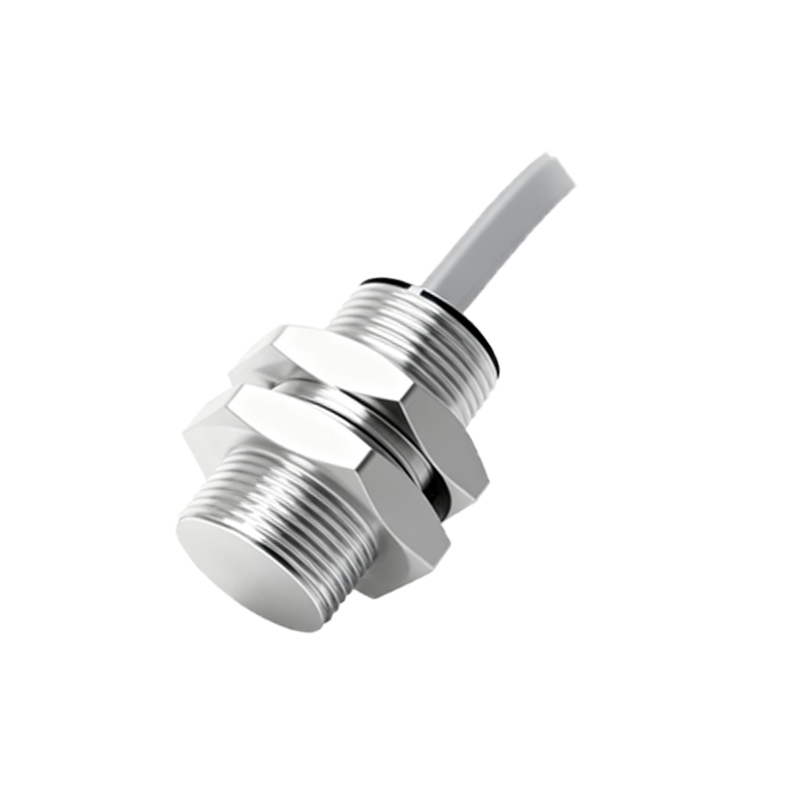
When selecting a high-frequency oscillation proximity sensor, several key parameters must be considered. First is the sensing distance, or nominal range. It is crucial to note that this specified range is defined for a standard target (usually mild steel). For other metals, a correction factor must be applied; for instance, sensing distance decreases for stainless steel and increases for aluminum or copper. The sensor's size and form factor (e.g., cylindrical barrel type, rectangular, or ring-shaped) must suit the installation space. The output type is another critical decision: PNP (sourcing) or NPN (sinking) transistor outputs are common for programmable logic controller (PLC) interfaces, while some models offer analog current or voltage outputs for distance-proportional signaling or two-wire AC/DC configurations for simpler wiring.
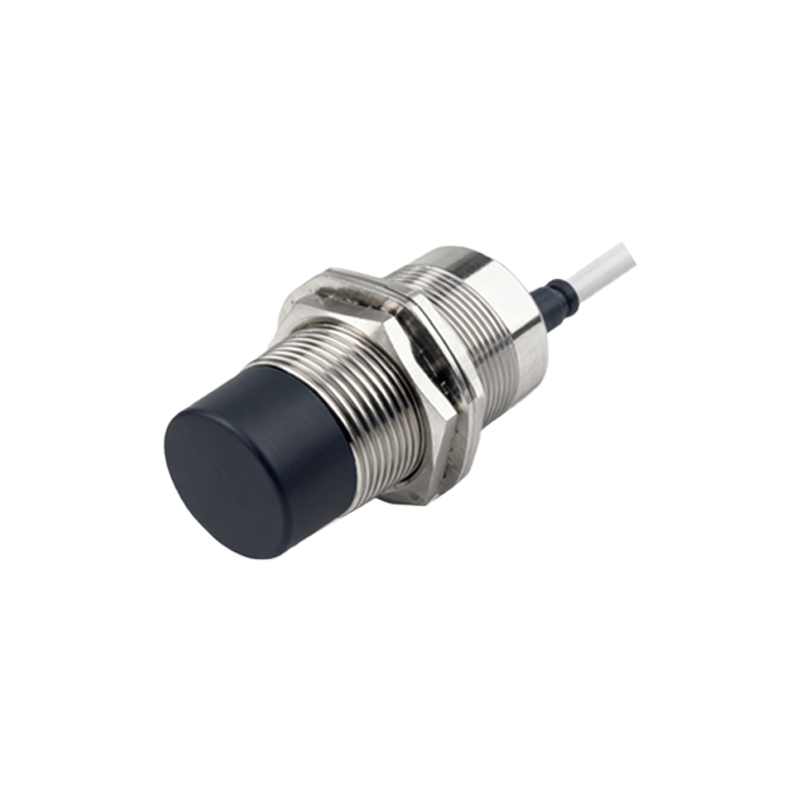
Environmental conditions dictate the required housing material and ingress protection (IP) rating. For washdown areas in food and beverage processing, high-grade stainless steel (e.g., V4A/AISI 316L) sensors are necessary. The operating temperature range must also be compatible with the application environment. Additionally, features like short-circuit protection, reverse polarity protection, and immunity to electromagnetic interference (EMI) are essential for ensuring long-term operational stability and preventing downtime.
Installation and electrical considerations are equally important. Maintaining the proper mounting clearance around the sensor head is vital to prevent false triggers from the surrounding metal (the "flush-mountable" characteristic). Proper shielding and routing of cables away from power lines minimize electrical noise. Regular functional testing, while keeping the sensing face clean from metallic dust buildup, ensures consistent performance over the sensor's lifespan.
In conclusion, high-frequency oscillation proximity switch sensors are a cornerstone technology in modern industrial sensing. Their non-contact operation, high reliability, and adaptability to challenging environments make them a preferred choice for countless automation tasks. A thorough understanding of their working principle, coupled with a meticulous selection process based on the target material, environmental conditions, and electrical requirements, enables engineers to integrate these powerful devices effectively, enhancing system efficiency, safety, and productivity.