In the realm of advanced industrial automation and sensor manufacturing, the integration of precision engineering with robust protection methodologies is paramount. The proximity sensor low pressure molding machine stands as a critical piece of equipment at this intersection, specifically designed for the encapsulation and protection of sensitive electronic components, such as inductive, capacitive, and photoelectric proximity sensors. Unlike traditional high-pressure injection molding, low pressure molding (LPM) utilizes specialized thermoplastics—typically polyamide-based hot melts—that are processed at significantly lower pressures (typically between 2 and 40 bar) and temperatures (around 200°C). This process is exceptionally suited for delicate assemblies where mechanical stress, thermal shock, or moisture ingress could compromise functionality.
The core operational principle of a proximity sensor LPM machine revolves around precise temperature control, material dosing, and injection pressure management. The machine comprises several key subsystems: a material melting and feeding unit, a precision dosing system, a temperature-controlled mold platens, and a sophisticated PLC-based control interface. The molding material, supplied in granule form, is heated in a sealed chamber until it achieves a low-viscosity liquid state. It is then injected into a closed mold cavity containing the sensor assembly. The low viscosity and pressure allow the material to flow gently around fragile wires, PCBAs, and sensing elements without causing displacement or damage, forming a complete, void-free seal.
The advantages of employing a dedicated low pressure molding machine for proximity sensors are multifaceted. First and foremost is superior environmental protection. The resulting encapsulation provides an excellent barrier against dust, moisture, chemicals, and mechanical vibration, significantly enhancing the sensor's reliability and lifespan in harsh industrial environments, such as automotive under-hood applications, food processing machinery, or outdoor agricultural equipment. Secondly, the process offers remarkable design flexibility. It can accommodate complex geometries and multi-component assemblies in a single shot, eliminating the need for secondary potting or housing operations. This streamlines production, reduces assembly time, and lowers overall unit cost. Furthermore, the materials used are often recyclable and comply with various international standards for flame retardancy (e.g., UL 94 V-0) and RoHS directives.
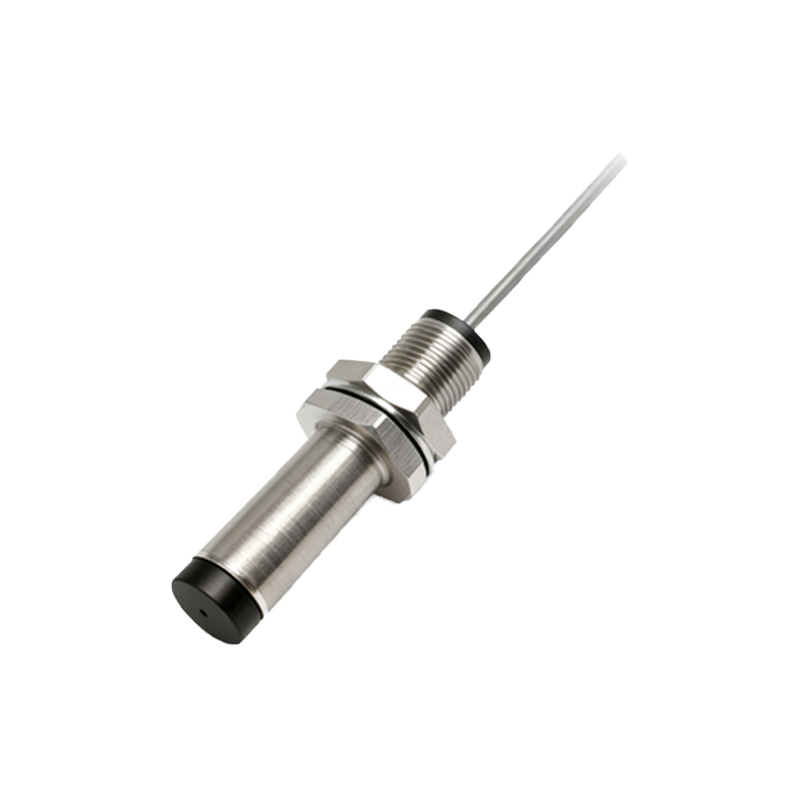
From a manufacturing standpoint, these machines emphasize repeatability and process control. Modern units feature closed-loop control systems for temperature and pressure, ensuring consistent shot-to-shot quality. Real-time monitoring capabilities alert operators to any deviations, such as incomplete fills or material degradation, minimizing waste and ensuring every encapsulated sensor meets stringent quality criteria. The cycle times are generally fast, contributing to high-volume production efficiency. When selecting a machine, engineers must consider parameters like shot volume capacity, clamping force (though minimal in LPM), platen size for the mold, and the specific material processing requirements.
The application of low pressure molding extends beyond mere protection. It also plays a crucial role in enhancing the performance of the proximity sensor itself. By precisely controlling the dielectric properties and thickness of the encapsulant around the sensing face, engineers can fine-tune the sensor's effective sensing range and immunity to electromagnetic interference (EMI). This level of integration between the manufacturing process and the sensor's operational physics is a hallmark of advanced industrial design.
In conclusion, the proximity sensor low pressure molding machine represents a sophisticated synthesis of material science and precision mechanical engineering. It addresses the critical need for reliable, cost-effective, and high-performance protection of sensitive electronic sensing devices. As proximity sensors continue to evolve with smarter functionalities and find applications in increasingly demanding environments, the role of advanced low pressure molding technology and the machines that enable it will only grow in importance, forming the backbone of durable and trustworthy industrial automation systems.