In industrial automation and precision control systems, proximity sensors play a critical role in detecting the presence, absence, or position of objects without physical contact. Achieving high precision in proximity sensor performance is essential for ensuring reliability, repeatability, and efficiency in applications such as robotic assembly, material handling, and quality inspection. This article provides a comprehensive guide on calibrating and adjusting proximity sensors to attain optimal accuracy, focusing on practical techniques, environmental considerations, and common pitfalls.
The foundation of high-precision proximity sensing begins with selecting the appropriate sensor type for the application. Inductive, capacitive, and photoelectric sensors each have distinct operating principles and suitability for different materials and environments. Inductive sensors are ideal for detecting metallic objects, capacitive sensors for non-metallic materials, and photoelectric sensors for long-range or color-based detection. Understanding the specific requirements of your application—such as sensing distance, target material, and response time—is crucial for initial setup.
Once the sensor is installed, calibration involves adjusting its sensitivity and threshold settings to match the target characteristics. Most modern proximity sensors feature potentiometers or digital interfaces for fine-tuning. Start by placing the target object at the nominal sensing distance specified in the sensor datasheet. Using a calibrated tool, adjust the sensitivity control until the sensor reliably detects the target. It is important to perform this adjustment under actual operating conditions, including typical temperatures and electrical noise levels, to account for environmental factors that may affect performance.
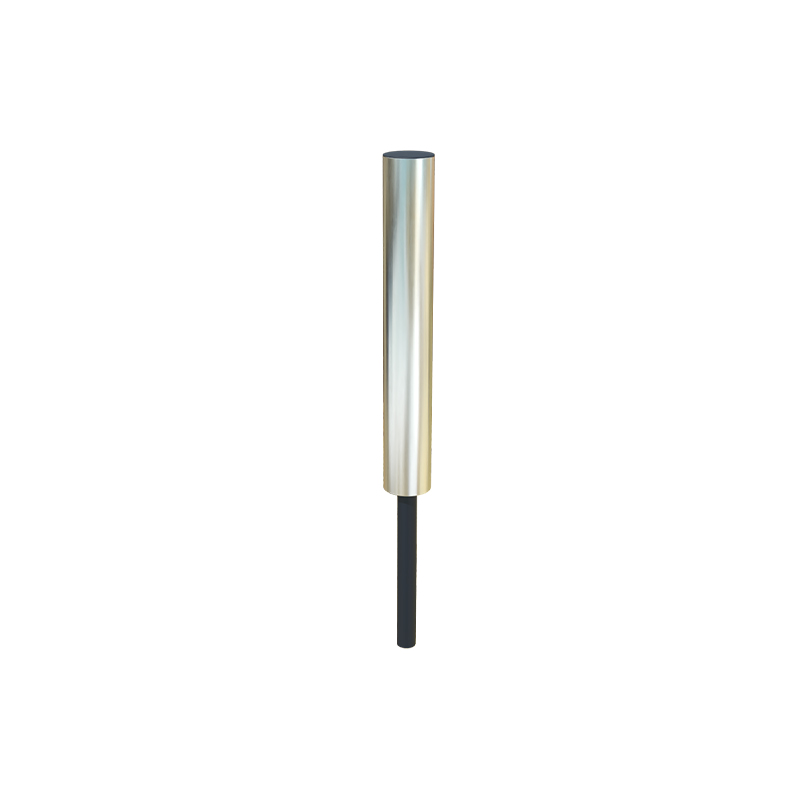
Environmental interference is a common challenge in achieving high precision. Electrical noise from motors, inverters, or other equipment can cause false triggering or reduced sensitivity. To mitigate this, ensure proper shielding of sensor cables, use twisted-pair wiring, and maintain adequate distance from noise sources. Additionally, temperature fluctuations can alter sensor characteristics; selecting sensors with temperature compensation or operating within specified temperature ranges helps maintain accuracy. For capacitive sensors, changes in humidity or contamination on the sensing face can also impact performance, requiring regular cleaning and recalibration.
Repeatability and hysteresis are key metrics for precision. Repeatability refers to the sensor's ability to consistently detect the target at the same distance, while hysteresis is the difference between the switch-on and switch-off points. To evaluate these, conduct multiple test cycles with the target approaching and retreating from the sensor. Record the distances at which the sensor activates and deactivates. If variations exceed acceptable limits, check for mechanical vibrations, target alignment issues, or power supply instability. Fine-tuning the hysteresis setting, if available, can help optimize the switching behavior for stable operation.
Advanced calibration techniques involve using oscilloscopes or dedicated calibration fixtures to analyze the sensor's output signal. By monitoring the waveform, you can identify issues such as signal ringing or delayed response. For analog output sensors, verifying linearity across the sensing range ensures precise distance measurement. Digital sensors with IO-Link or other communication protocols allow for parameter adjustment and monitoring via software, enabling remote calibration and diagnostics. Regularly updating firmware and using manufacturer-provided calibration tools can further enhance precision.
Maintenance and periodic recalibration are essential for sustaining high precision over time. Sensors may drift due to wear, contamination, or component aging. Establish a maintenance schedule based on operational intensity and environmental conditions. Document calibration records, including dates, adjustments made, and test results, to track performance trends. When precision degrades despite adjustments, consider replacing the sensor or consulting the manufacturer for technical support.
In summary, achieving high precision in proximity sensors requires a methodical approach from selection to ongoing maintenance. By understanding sensor principles, meticulously calibrating under real conditions, mitigating environmental effects, and leveraging advanced tools, engineers can ensure reliable and accurate sensing in demanding industrial applications.