In the realm of industrial automation and control systems, a common point of confusion arises regarding the classification and functionality of speed sensors and proximity switches. While both are fundamental components in monitoring and controlling machinery, they serve distinct purposes and operate on different principles. The straightforward answer to the question "Is a speed sensor a proximity switch?" is: Not necessarily. A speed sensor is a device designed to measure the rotational or linear speed of an object, whereas a proximity switch is a sensor that detects the presence or absence of an object within a specific range without physical contact. However, the lines can blur because certain types of speed sensors utilize proximity sensing technology to perform their measurement function.
To clarify, let's delve into the core technologies. A proximity switch, often simply called a proximity sensor, is primarily a presence detector. Common types include inductive (for detecting metallic objects), capacitive (for detecting both metallic and non-metallic objects), and photoelectric sensors. Their output is typically a simple on/off digital signal, indicating that an object is within or outside the detection zone. They are crucial for tasks like part counting, position verification, or limit switching. For instance, an inductive proximity sensor might confirm that a metal gear has reached a specific point on an assembly line.
Speed sensors, on the other hand, are engineered to quantify velocity. Their output is directly related to the rate of motion. Common technologies for speed sensing include:
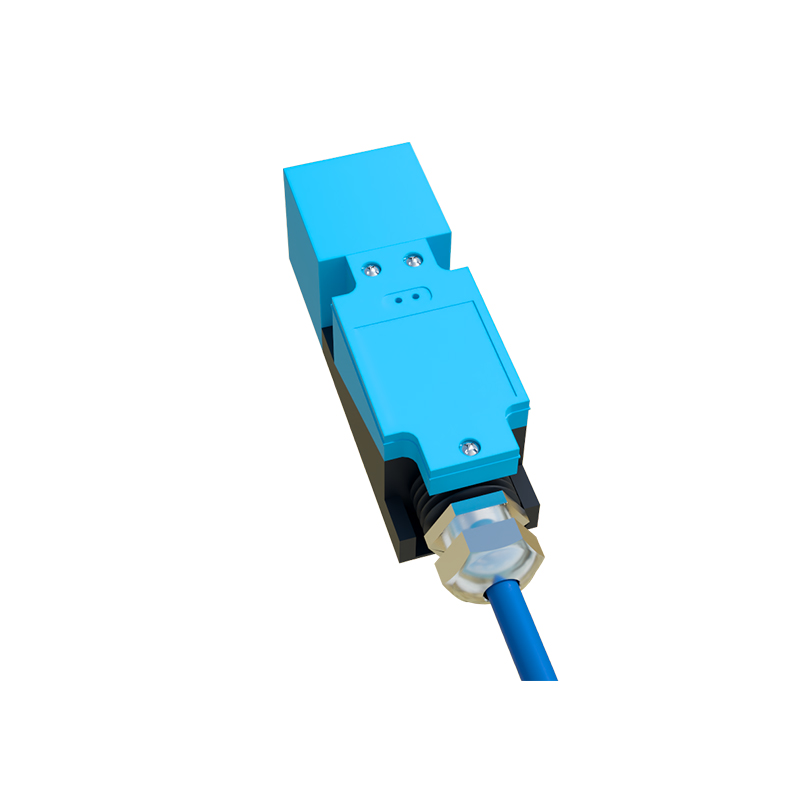
1. Magnetic Pickups (Variable Reluctance Sensors): These generate an AC voltage signal whose frequency is proportional to the speed of a rotating gear or pulse wheel. They are passive devices.
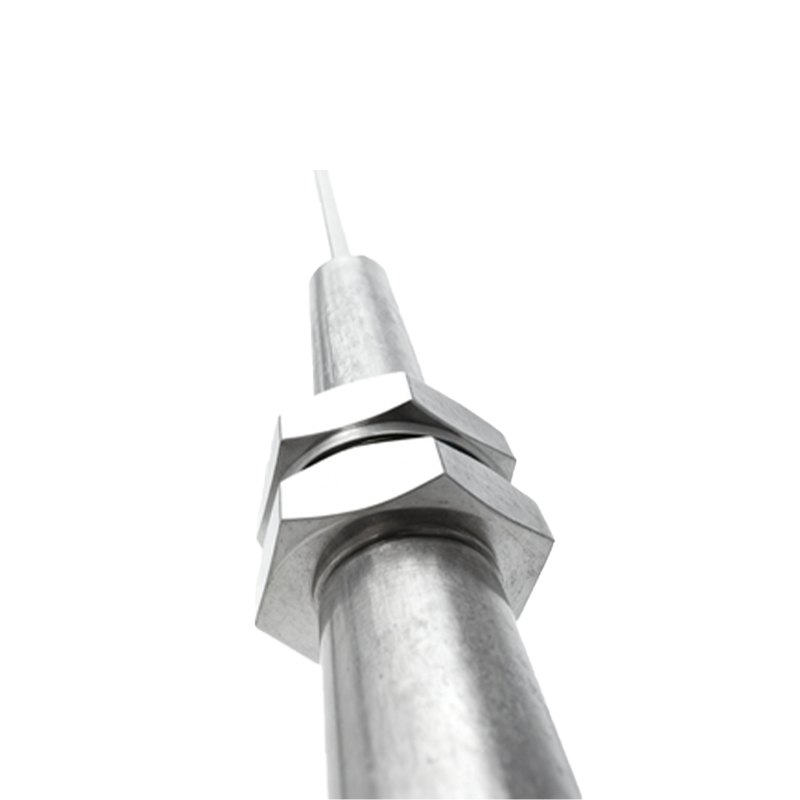
2. Hall Effect Sensors: These solid-state devices detect changes in magnetic fields. When a ferromagnetic target (like a gear tooth or a magnet on a shaft) passes by, the sensor outputs a digital pulse. The frequency of these pulses correlates directly with speed.
3. Optical Encoders: These use a light source and a photodetector interrupted by a coded disk to generate precise digital pulses for speed and position measurement.
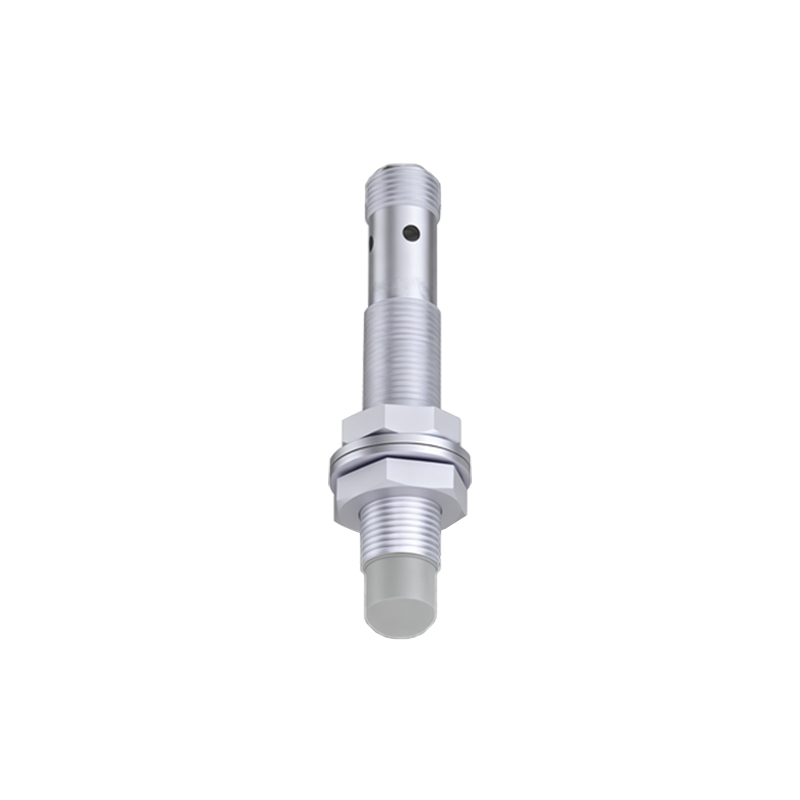
4. Eddy Current Sensors: These measure the displacement or vibration of a conductive target, which can be used to derive speed information.
This is where the intersection occurs. Both Hall effect sensors and certain inductive proximity sensors can be configured as proximity-based speed sensors. A Hall effect sensor is, in essence, a type of proximity switch that detects magnetic fields. When it is paired with a rotating target (like a ring magnet or a gear with embedded magnets), the periodic detection of the magnetic target generates a pulse train. By measuring the frequency of this pulse train, the rotational speed is calculated. Similarly, a standard inductive proximity sensor can be used to detect the teeth of a rotating gear. Each time a gear tooth passes the sensor face, it triggers the sensor's output. This series of on/off pulses can be fed into a counter or a PLC (Programmable Logic Controller) to compute revolutions per minute (RPM).
Therefore, while a dedicated proximity switch is not a speed sensor by design, its fundamental operating principle can be effectively harnessed to create a speed sensing solution. The key distinction lies in the application and signal processing. A proximity switch used for pure presence detection cares only about the state change. When used for speed sensing, the system must continuously monitor the time interval or frequency of those state changes.
In practical industrial applications, the choice depends on the requirement:
Use a standard proximity switch when you need to know if an object is present at a specific location (e.g., jam detection, end-of-travel limit).
Use a dedicated speed sensor (like a magnetic pickup or encoder) when you need high-accuracy, continuous speed measurement for critical control, such as in motor drives, conveyor speed regulation, or turbine monitoring.
Utilize a proximity sensor as a speed pickup in cost-sensitive or non-critical applications where moderate accuracy is acceptable, such as basic RPM monitoring on a fan or a simple shaft.
In conclusion, labeling all speed sensors as proximity switches is inaccurate. A speed sensor defines a function—measuring speed—which can be achieved through various technologies, one of which is proximity sensing. A proximity switch defines a technology and a basic function—non-contact presence detection—which can be applied to infer speed. Understanding this nuanced relationship is essential for electrical engineers and technicians to select the correct component for optimal system performance, reliability, and cost-efficiency in automation projects.