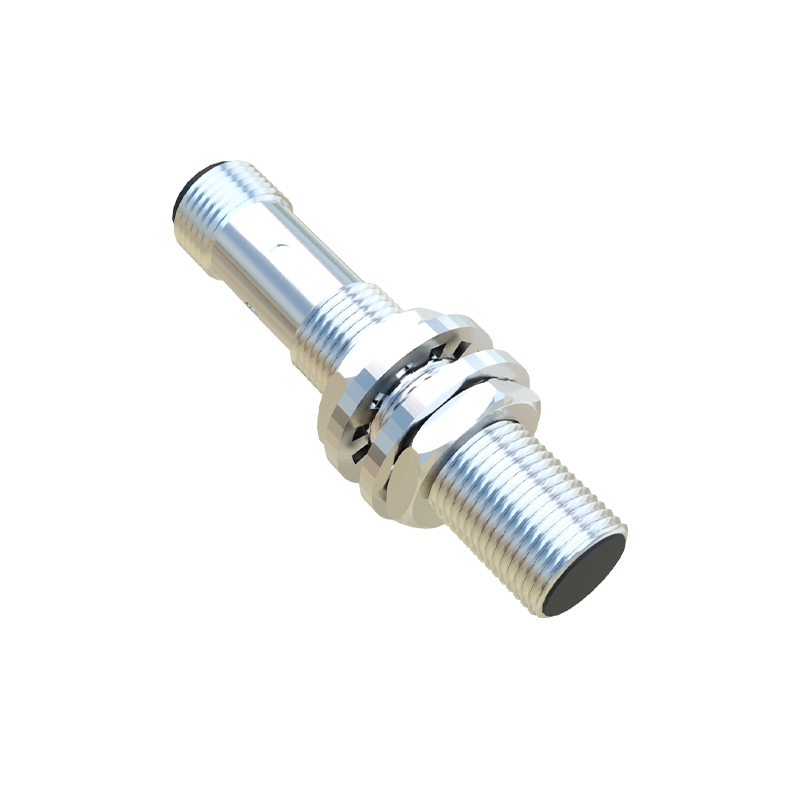
Proximity sensors are indispensable components in today's automated industrial systems, serving as critical tools for detecting the presence or absence of objects without physical contact. These sensors operate based on various principles, including electromagnetic, capacitive, and inductive technologies, each tailored to specific environmental and operational needs. In manufacturing lines, proximity sensors ensure precise positioning of components, monitor machinery movements, and enhance safety by halting equipment when human intervention is detected within hazardous zones. Their non-contact nature minimizes wear and tear, leading to reduced maintenance costs and increased system longevity.
The functionality of proximity sensors extends beyond simple detection. They enable sophisticated control systems to perform complex tasks such as counting, sorting, and quality inspection. For instance, in automotive assembly, inductive proximity sensors detect metal parts to verify correct installation, while capacitive sensors identify non-metallic materials like plastics or liquids in packaging industries. This versatility allows for seamless integration into diverse applications, from robotics and material handling to aerospace and consumer electronics.
One of the key advantages of proximity sensors is their ability to operate reliably in harsh conditions. Designed to withstand extreme temperatures, moisture, dust, and vibrations, they maintain accuracy in environments where other sensing technologies might fail. This durability is crucial in industries like mining or heavy machinery, where equipment is exposed to rigorous operational stresses. Additionally, modern proximity sensors feature advanced diagnostics and communication capabilities, such as IO-Link connectivity, which facilitate real-time data exchange and predictive maintenance, further optimizing production efficiency.
In terms of selection and implementation, engineers must consider factors like sensing range, response time, and output type (e.g., analog or digital) to match specific application requirements. For example, ultrasonic proximity sensors are ideal for long-range detection in logistics, whereas magnetic proximity sensors excel in high-speed applications due to their rapid response. Proper installation and calibration are also vital to avoid interference from external factors like electromagnetic noise or material composition, ensuring consistent performance.
Looking ahead, the evolution of proximity sensors is closely tied to advancements in Industry 4.0 and the Internet of Things (IoT). Smart sensors with embedded intelligence are becoming more prevalent, enabling autonomous decision-making and integration with cloud-based analytics platforms. This trend not only enhances operational visibility but also supports sustainable practices by reducing energy consumption and waste through optimized processes. As industries continue to embrace automation, proximity sensors will remain foundational elements, driving innovation and efficiency across global supply chains.