In the modern laundry appliance industry, the reliable and precise operation of washing machines heavily depends on a range of sophisticated sensors. Among these, proximity switch sensors play a pivotal, yet often underappreciated, role in ensuring safety, optimizing performance, and enhancing energy efficiency. This article delves into the technical intricacies of proximity sensors within washing machines, exploring their working principles, common applications, and essential maintenance guidelines.
Fundamentally, a proximity sensor is a non-contact device that detects the presence or absence of a target object within its sensing field. In washing machines, these sensors primarily utilize inductive or capacitive sensing technologies. Inductive proximity sensors are the most prevalent. They generate an electromagnetic field and detect changes in this field caused by the proximity of a metallic target, typically a component of the motor or the drum assembly. Capacitive sensors, on the other hand, can detect both metallic and non-metallic objects by sensing changes in capacitance, making them suitable for applications like water level or detergent presence detection, though their use as direct "switches" is less common than inductive types.
The core applications of proximity switches in a washing machine are centered around position sensing and speed monitoring. A critical application is in the detection of drum position and rotational speed. Sensors are strategically placed near the motor's rotor or a dedicated metallic target on the drum shaft. By counting the pulses generated as the target passes the sensor, the machine's electronic control unit (ECU) can precisely determine the drum's speed and angular position. This information is vital for several cycles: during the high-speed spin cycle, the ECU uses this feedback to gradually ramp up speed, preventing imbalance and excessive vibration. It also ensures the drum stops in a predetermined position, often with the door opening facing upward for easy loading and unloading.
Another crucial safety function is lid or door interlocking. A proximity sensor, often a reed switch activated by a magnet or a dedicated inductive sensor, confirms the door is securely closed before allowing the wash or spin cycle to commence. This is a non-negotiable safety feature that prevents water spillage and access to moving parts. Furthermore, in direct-drive motors, which eliminate belts and pulleys, proximity sensors are integral to the motor's commutation and control system. They provide real-time feedback on the rotor's position to the inverter drive, enabling precise torque control, smooth acceleration, and high energy efficiency.
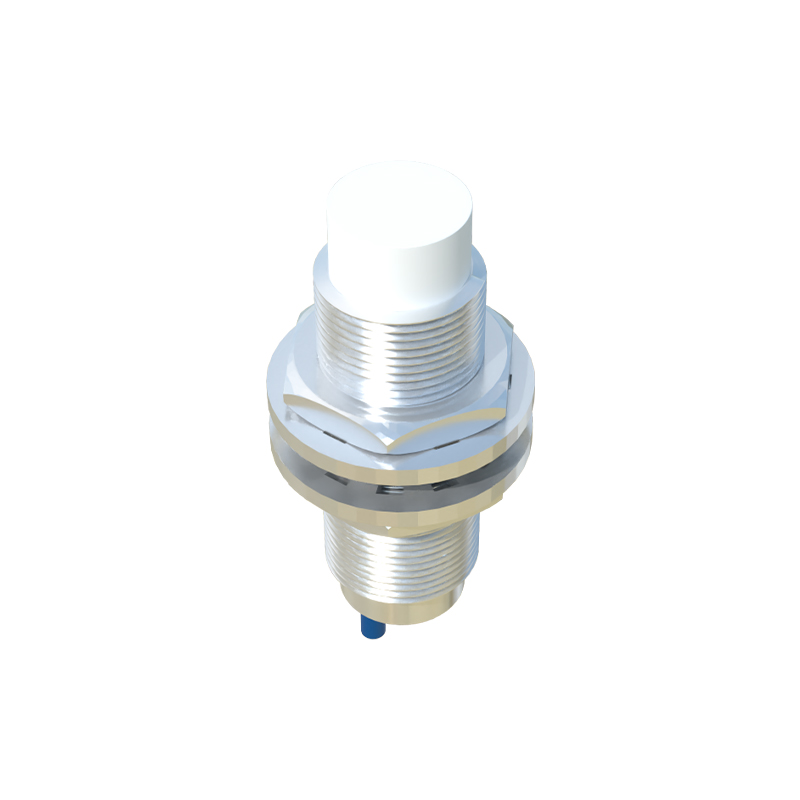
The performance and longevity of these sensors are paramount. They are designed to operate in a harsh environment characterized by moisture, temperature fluctuations, vibration, and exposure to chemical agents from detergents. High-quality sensors are hermetically sealed, often with an IP67 or higher rating, to prevent ingress of water and contaminants. The sensing face is typically made of a corrosion-resistant material like PBT or stainless steel.
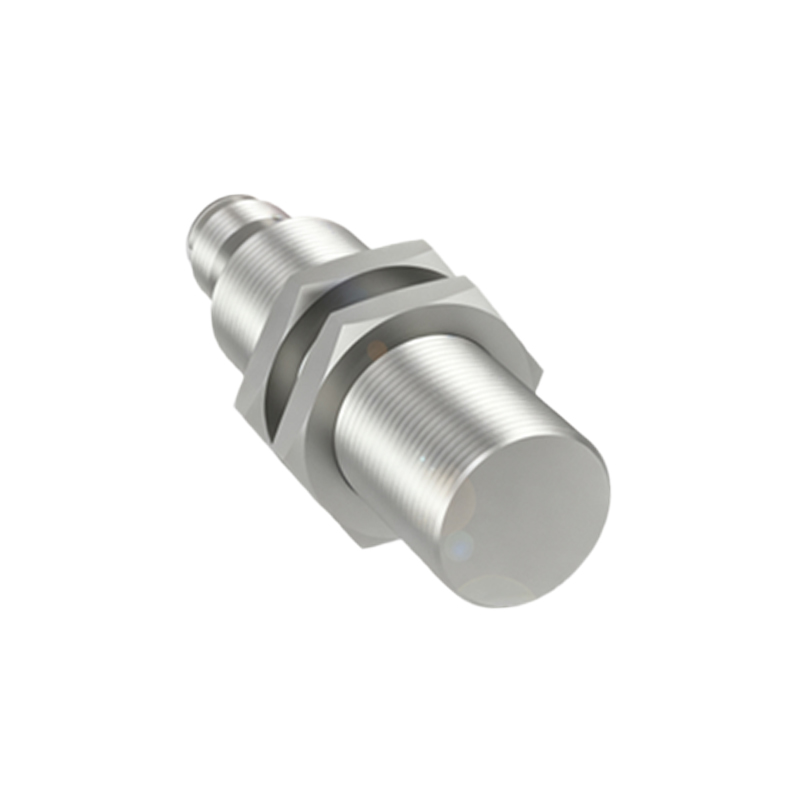
Despite their robustness, proximity sensors can fail. Common symptoms of a faulty sensor include the machine failing to start (due to a perceived open door), erratic spinning, inability to reach high spin speeds, or error codes displayed on the control panel. Troubleshooting begins with a visual inspection for physical damage, loose wiring, or corrosion on the connector. Electrical testing with a multimeter is the next step. For a simple two-wire DC sensor, one can measure the output voltage change when a metallic target is brought near the sensing face. A three-wire sensor (PNP or NPN) requires checking the supply voltage and the switching signal to the ECU. It is crucial to consult the specific appliance's wiring diagram and technical manual, as pinouts and expected voltage levels can vary.
When replacing a proximity sensor, technicians must ensure the new part matches the original's specifications: sensing distance (typically a few millimeters in this application), supply voltage (e.g., 5V DC, 12V DC, or 24V DC), output type (PNP/NPN, NO/NC), thread size, and connector type. Using an incorrect sensor can lead to malfunction or damage to the control board.
In conclusion, proximity switch sensors are indispensable components in contemporary washing machines. They provide the essential feedback that transforms a simple motorized tub into an intelligent, efficient, and safe appliance. Their silent, reliable operation underpins key functions from balance control to user safety. For engineers and service technicians, a deep understanding of their operation and failure modes is essential for effective design, maintenance, and repair, ensuring these household workhorses continue to perform reliably cycle after cycle.