In the realm of industrial automation and process control, level proximity sensors stand as critical components for ensuring operational efficiency, safety, and precision. These devices, designed to detect the presence or absence of liquids or solids without physical contact, have evolved significantly, driven by advancements in technology and increasing demands from diverse sectors. Manufacturers of level proximity sensors are at the forefront of this evolution, continuously innovating to meet the complex needs of modern industries.
The core technology behind level proximity sensors primarily includes capacitive, inductive, ultrasonic, and optical principles. Capacitive sensors are adept at detecting both conductive and non-conductive materials, making them versatile for applications in chemical processing, food and beverage, and water treatment. Inductive sensors, on the other hand, are tailored for metallic substances, commonly used in manufacturing and automotive assembly lines. Ultrasonic sensors utilize sound waves to measure distance, offering reliable performance in harsh environments with dust or vapor, such as mining and wastewater management. Optical sensors employ light beams for detection, providing high accuracy in clean, controlled settings like pharmaceutical production. Each type has its unique advantages, and leading manufacturers often specialize in multiple technologies to cater to a broad clientele.
Industry applications of level proximity sensors are vast and varied. In the oil and gas sector, these sensors monitor tank levels to prevent overflows and ensure compliance with safety regulations. The food and beverage industry relies on them for hygiene and precision in filling and packaging processes, where contactless operation minimizes contamination risks. In agriculture, sensors help manage irrigation systems and silo levels, optimizing resource use. Additionally, the automotive and aerospace fields utilize these devices for quality control and assembly line automation, enhancing productivity. As industries embrace Industry 4.0 and the Internet of Things (IoT), manufacturers are integrating smart features like wireless connectivity, real-time data analytics, and self-diagnostic capabilities into their sensors, enabling predictive maintenance and improved decision-making.
The competitive landscape among level proximity sensor manufacturers is shaped by factors such as innovation, quality standards, and global reach. Companies like Siemens, Pepperl+Fuchs, and Balluff have established strong reputations through decades of expertise, offering robust product lines that comply with international certifications like ISO and IEC. Emerging players are focusing on niche markets, developing cost-effective solutions for small to medium enterprises. Sustainability is also becoming a key driver, with manufacturers designing energy-efficient sensors and using eco-friendly materials to reduce environmental impact. Challenges persist, including the need for customization to handle specific media types or extreme conditions, but ongoing research in materials science and digitalization is paving the way for more adaptive and resilient sensors.
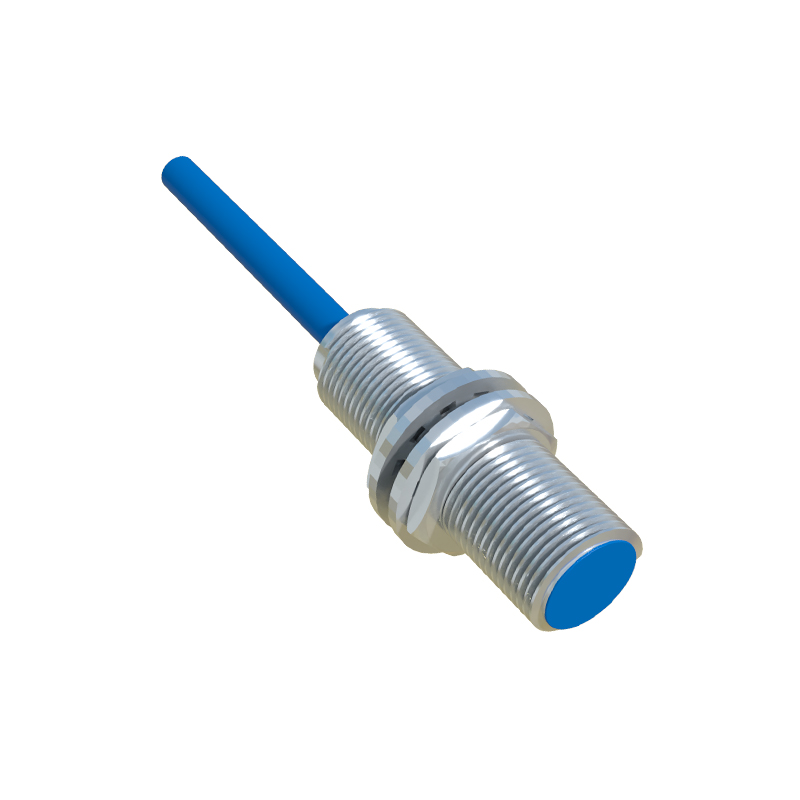
Looking ahead, the future of level proximity sensor manufacturing is poised for growth, fueled by trends like automation expansion and smart city initiatives. Manufacturers are investing in R&D to enhance sensor accuracy, durability, and interoperability with other industrial systems. As demand rises from emerging economies and sectors like renewable energy, collaboration between manufacturers and end-users will be crucial for developing tailored solutions. Ultimately, the role of these sensors in enabling efficient, safe, and sustainable operations underscores their importance in the global industrial ecosystem, with manufacturers continuing to push boundaries to meet evolving challenges.