In the realm of industrial automation, proximity sensors play a pivotal role in detecting the presence or absence of objects without physical contact. Among the various types available, amplifier-built-in proximity sensors have emerged as a sophisticated and highly efficient solution, integrating the sensing element and signal conditioning circuitry into a single, compact unit. This integration marks a significant advancement over traditional separate amplifier systems, offering enhanced performance, simplified installation, and improved reliability in demanding environments.
Amplifier-built-in proximity sensors, often referred to as self-contained or integrated sensors, combine the detection mechanism—such as inductive, capacitive, or photoelectric—with an internal amplifier that processes the raw signal. The amplifier converts the sensor's output into a standardized, stable signal, typically in the form of a digital switch (e.g., NPN or PNP transistor output) or an analog signal (e.g., 4-20 mA or 0-10 V). This built-in design eliminates the need for external amplifier units, reducing wiring complexity, minimizing potential points of failure, and cutting down on overall system costs. For instance, in conveyor belt systems, these sensors can reliably detect metallic components with high precision, ensuring smooth operation and reducing downtime.
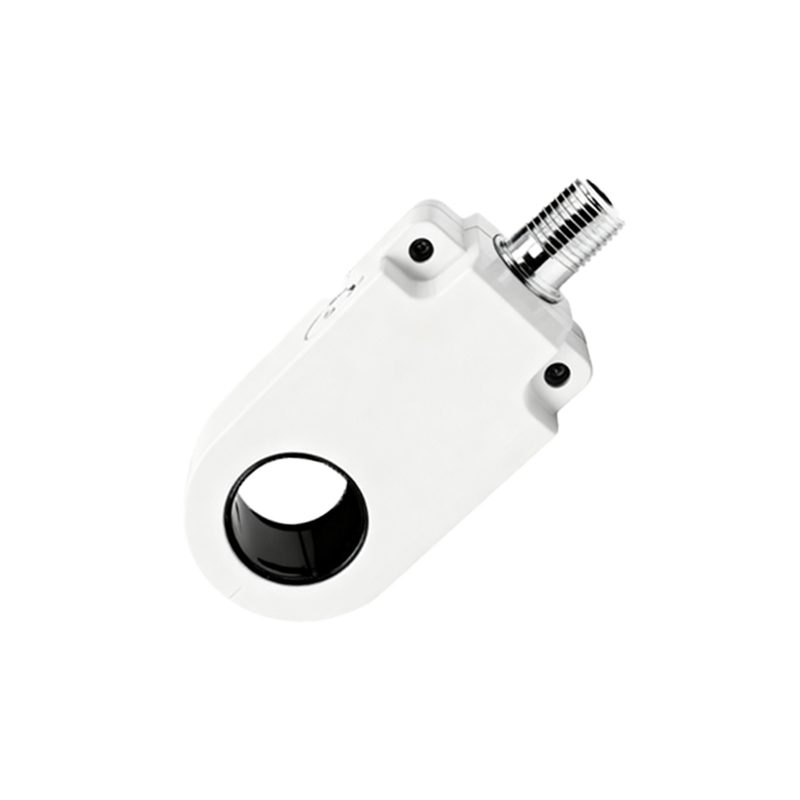
The operational principle varies based on the sensing technology. Inductive amplifier-built-in sensors generate an electromagnetic field to detect metallic objects, making them ideal for harsh industrial settings with dust, oil, or moisture. Capacitive versions detect both metallic and non-metallic materials by measuring changes in capacitance, suitable for applications like liquid level sensing or plastic part detection. Photoelectric types use light beams to sense objects, offering long-range detection capabilities. In all cases, the internal amplifier provides features such as adjustable sensitivity, response time tuning, and output delay functions, allowing for customization to specific application needs. For example, in automotive assembly lines, these sensors can be fine-tuned to ignore background interference while accurately identifying parts.
Key advantages of amplifier-built-in proximity sensors include their compact size, which saves space in control cabinets and on machinery. They also boast high noise immunity, thanks to the integrated circuitry that shields against electromagnetic interference common in industrial environments. Maintenance is simplified, as fewer components mean less wear and tear. However, challenges exist, such as heat dissipation in high-temperature applications or limited customization compared to modular systems. Engineers must consider factors like sensing range, environmental conditions, and output requirements when selecting these sensors. Best practices involve regular calibration and adherence to manufacturer guidelines for installation, such as proper mounting distances and shielding from extreme vibrations.
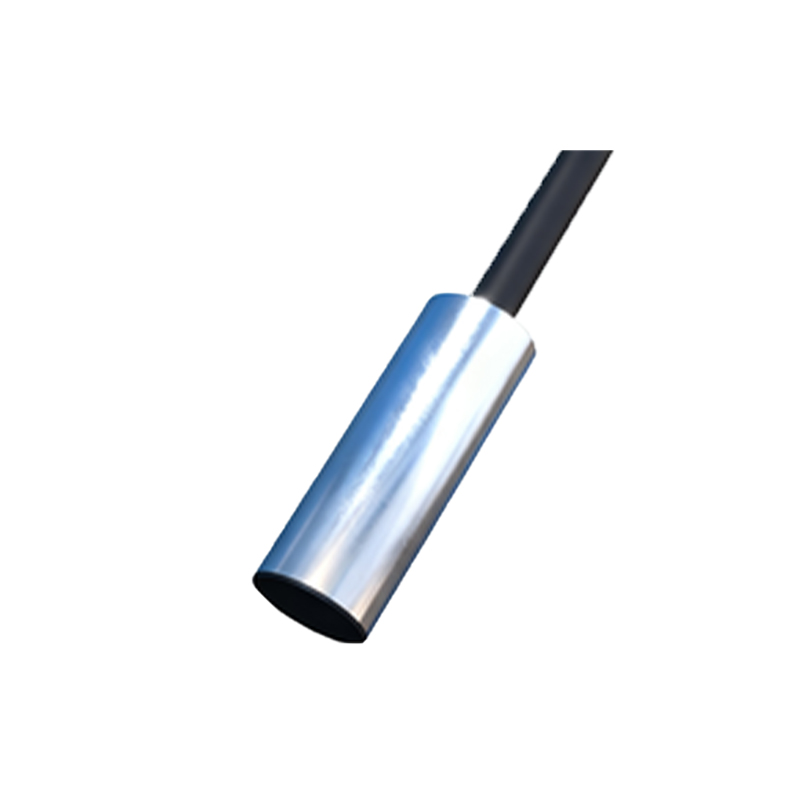
Looking ahead, trends in amplifier-built-in proximity sensors point toward greater integration with Industrial Internet of Things (IIoT) platforms. Future models may incorporate wireless connectivity, smart diagnostics, and predictive maintenance capabilities, enabling real-time monitoring and data analytics. As industries embrace Industry 4.0, these sensors will become more adaptive and energy-efficient, contributing to smarter, more resilient automation systems. In summary, amplifier-built-in proximity sensors represent a critical innovation in electrical engineering, offering a blend of simplicity and sophistication that drives efficiency across manufacturing, packaging, and robotics sectors.